

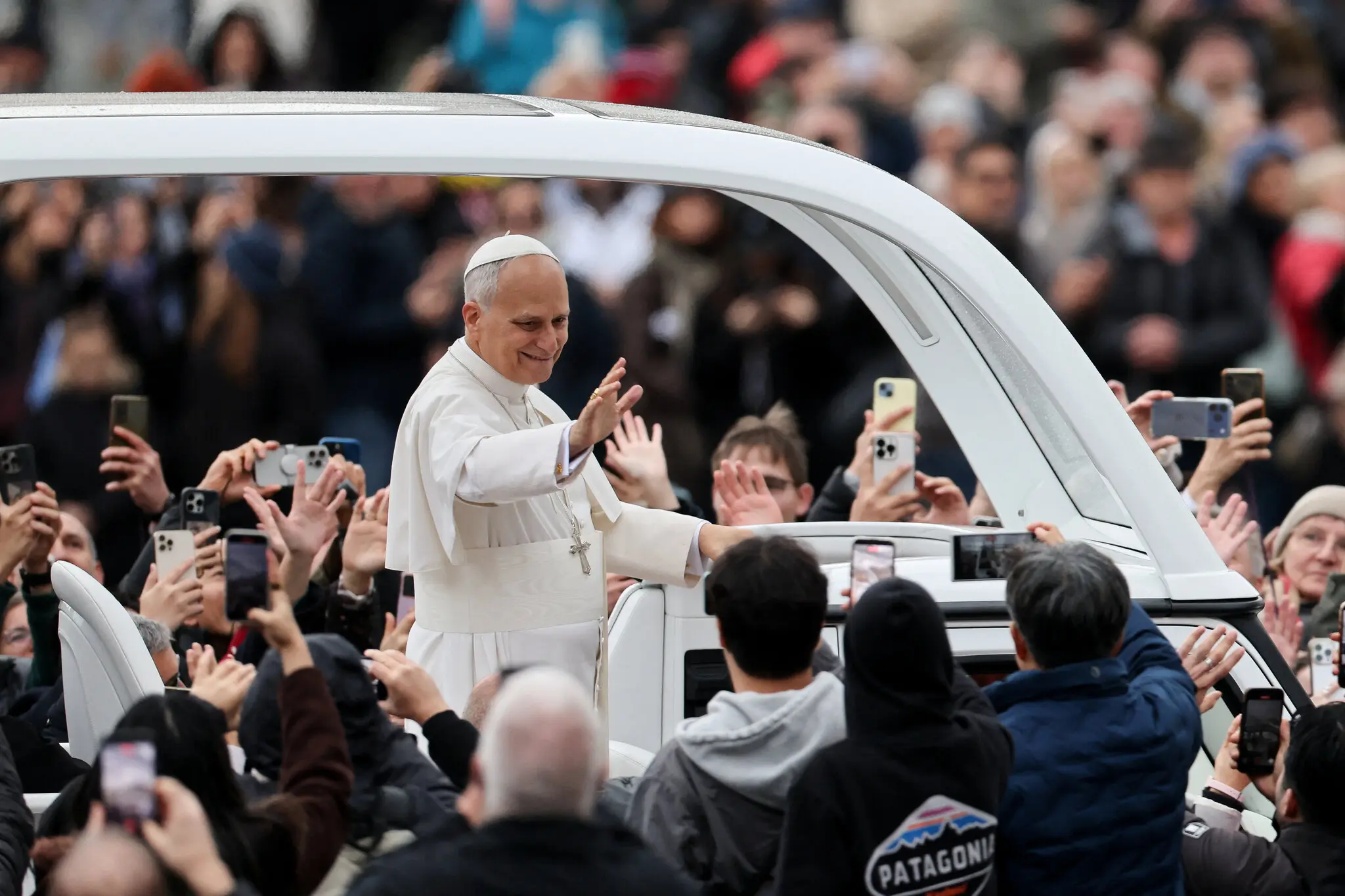
On Christmas Day, Pope Leo delivered a powerful message from the Vatican, calling on the world’s political leaders to abandon the language of weapons and return to the language of dialogue. Speaking to a global audience during his Christmas address, the pontiff emphasized that peace is not achieved through force but through courage, humility, and sustained conversation.
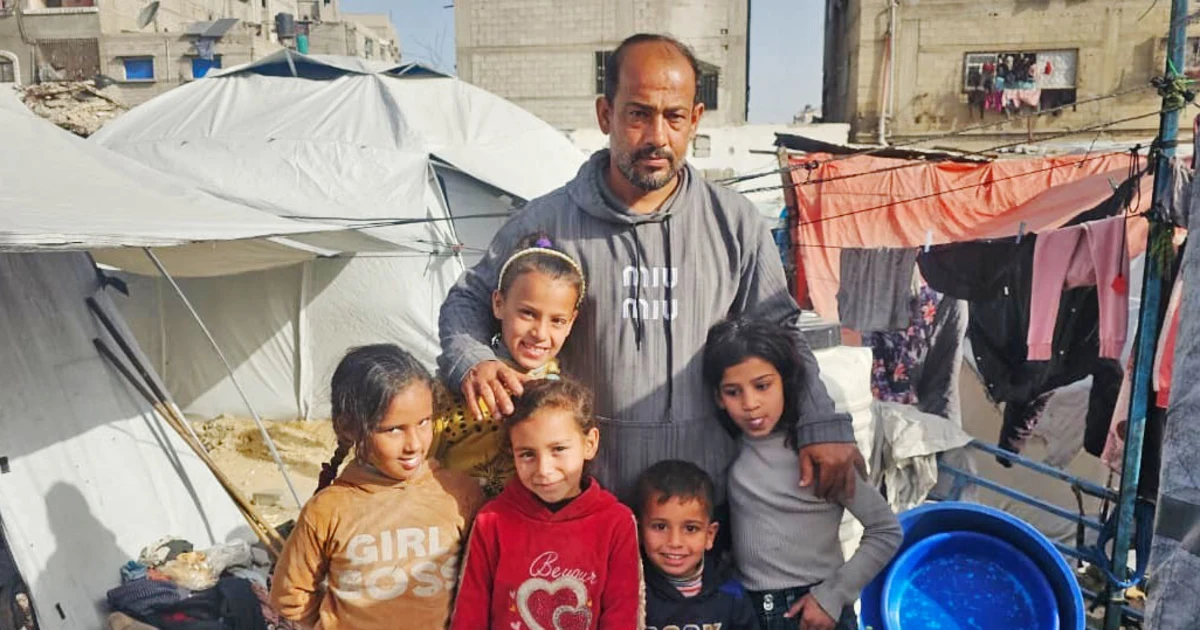
The Pope’s message came at a time when conflicts across multiple regions continue to displace civilians, strain humanitarian systems, and deepen political divisions. Without naming specific wars or nations, he referred to the “silent suffering of families, children, and the elderly” who bear the heaviest cost of violence. He reminded leaders that behind every statistic are real lives interrupted by fear, hunger, and loss.
Pope Leo stressed that Christmas is not only a religious celebration but also a moral reminder of shared humanity. He described the holiday as a moment that challenges governments to reflect on their responsibilities beyond borders, ideologies, and power struggles. According to the pontiff, choosing dialogue over war is not a sign of weakness, but a demonstration of strength rooted in wisdom and compassion.
Addressing global inequality, the Pope noted that armed conflicts often worsen poverty, disrupt education, and destroy health systems, leaving long-term scars even after fighting ends. He urged wealthier nations to resist fueling wars through arms transfers and instead invest in peace-building, humanitarian aid, and diplomatic solutions. “Weapons promise security but deliver devastation,” he warned, adding that peace requires patience and persistence.
The Pope also spoke about the role of language in shaping global realities. He cautioned leaders against rhetoric that dehumanizes opponents or fuels hatred, saying such words make violence easier to justify. Dialogue, he said, begins with listening — especially to those who are marginalized, displaced, or voiceless in political negotiations.
In a broader appeal, Pope Leo encouraged international institutions to reclaim their founding mission of cooperation and conflict prevention. He emphasized the importance of multilateral engagement, stating that global challenges such as war, climate instability, and forced migration cannot be solved by nations acting alone. Christmas, he said, should inspire a renewed commitment to collective responsibility.
Beyond political leaders, the Pope addressed ordinary citizens, urging them not to grow indifferent to suffering far from their own homes. He encouraged people to support humanitarian efforts, welcome those fleeing violence, and foster peace within their own communities. True peace, he said, begins at the local level and expands outward through solidarity.
As church bells rang across the world, Pope Leo concluded his message with a plea for hope. Even in a fractured world, he said, peace remains possible when leaders choose conversation over confrontation. His Christmas appeal served as a reminder that the path to lasting security lies not in war, but in the difficult, necessary work of talking, listening, and reconciling.






Leave a Reply