

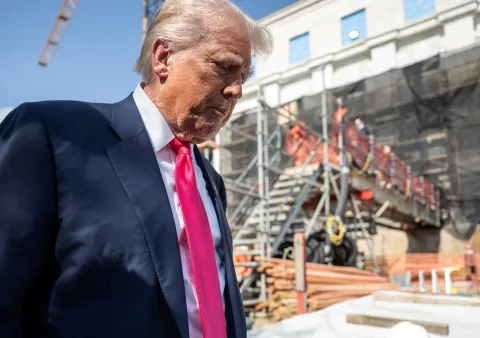
Economists are warning that a new confrontation between Donald Trump and the Federal Reserve is all but inevitable, predicting that tensions will erupt “almost immediately” once Trump appoints his hand-picked choice to lead the U.S. central bank.
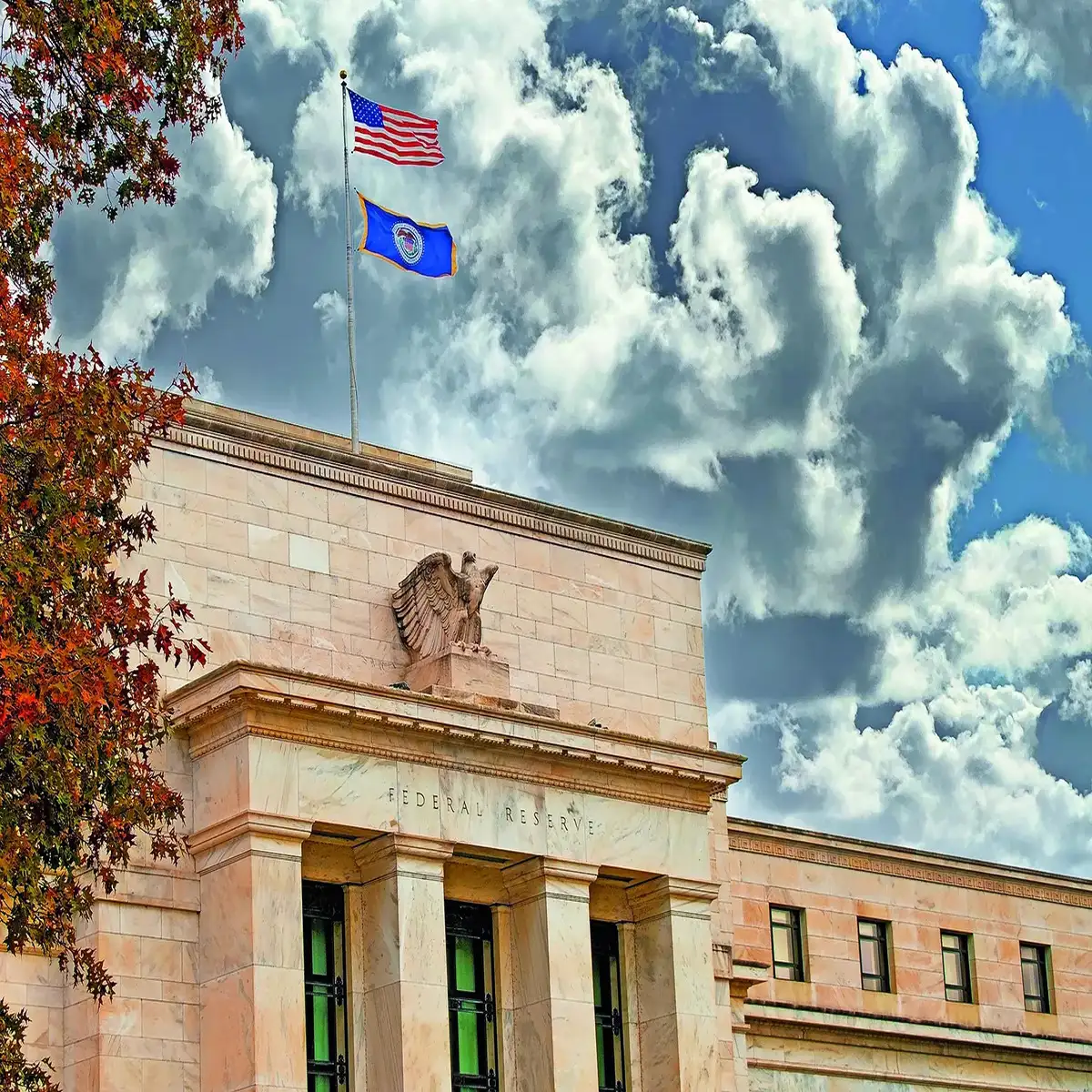
While Trump has repeatedly argued that the Fed should be more aligned with presidential economic priorities, many experts say the structural independence of the central bank makes conflict unavoidable—especially if inflation, interest rates, or financial markets move in directions that clash with White House expectations.
A History of Friction With the Fed
Trump’s first term was marked by unusually public attacks on the Federal Reserve and its leadership. He criticized rate hikes, accused policymakers of undermining economic growth, and openly questioned the Fed’s independence—breaking long-standing norms that presidents refrain from direct pressure on monetary policy.
Economists say that history is likely to repeat itself, even if Trump selects a chair who appears ideologically aligned at the outset.
“Presidents and Fed chairs almost always clash eventually,” said one veteran economist. “But with Trump, the timeline is shorter. The moment policy decisions conflict with political goals, the relationship tends to break down.”
Independence vs. Political Expectations
The Federal Reserve’s mandate—to control inflation, maximize employment, and maintain financial stability—often requires unpopular decisions, such as keeping interest rates higher than politicians would prefer. Economists warn that if inflation remains stubborn or resurges, a Trump-appointed Fed chair may feel compelled to prioritize price stability over growth, triggering friction.
Even a loyal appointee faces limits.
“Once inside the Fed, the data rules,” said a former central bank adviser. “Markets, inflation expectations, and global financial conditions don’t bend to political pressure.”
Markets Watching Closely
Financial markets are already sensitive to signals about future Fed leadership. Analysts say any hint that the central bank’s independence could be compromised may lead to volatility in stocks, bonds, and the dollar.
Investors fear that sustained political pressure on the Fed could undermine confidence, raise borrowing costs, and weaken the credibility that anchors U.S. monetary policy globally.
Ironically, economists note, attempts to force easier monetary policy could backfire—fueling inflation and ultimately leading to even tighter financial conditions.
Clash of Timelines and Priorities
Trump’s economic agenda emphasizes rapid growth, lower borrowing costs, and visible market strength—especially ahead of elections. The Fed, by contrast, operates on longer timelines, often tightening policy even when short-term growth looks strong, in order to prevent future economic instability.
That mismatch, economists say, is the seed of conflict.
“The president wants results now,” said one policy analyst. “The Fed is trying to avoid problems two or three years down the road.”
An Almost Certain Showdown
While Trump’s choice of Fed chair may initially signal alignment, economists overwhelmingly predict the harmony will be short-lived. Once the first major rate decision or inflation shock hits, pressure from the White House is likely to collide with the Fed’s institutional instincts.
In the end, experts say, the real question is not whether Trump and his next Fed chair will clash—but how public, prolonged, and disruptive that clash will be for markets and the broader economy.













Leave a Reply