

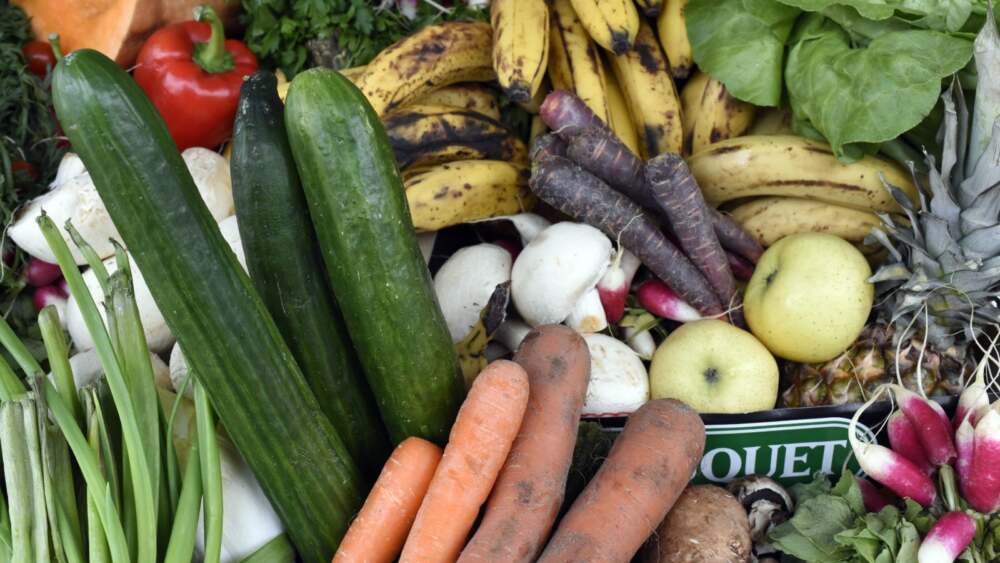
A recent study has reignited discussions within the medical community regarding a highly debated dietary approach for cancer patients. While nutrition has long been recognized as a crucial component of cancer care, the diet in question—once considered fringe—has returned to the spotlight due to emerging evidence suggesting potential benefits and risks.
The diet, characterized by strict carbohydrate restriction and high-fat intake, has historically been controversial. Advocates argue that it may starve cancer cells of glucose, potentially slowing tumor growth, while critics caution that the regimen can be difficult to maintain and may lead to nutrient deficiencies, muscle loss, or unintended weight loss in already vulnerable patients.
The new study, conducted over several months with a cohort of cancer patients, examined the impact of the diet on tumor progression, treatment tolerance, and overall quality of life. Researchers reported that some patients experienced modest improvements in specific metabolic markers and energy levels, though results were highly variable depending on cancer type, stage, and individual health status.
Medical experts emphasize that the study does not provide definitive evidence that the diet improves survival or outcomes across all patients. Instead, it highlights the complex relationship between metabolism, nutrition, and cancer, suggesting that personalized dietary strategies may have a role in supporting conventional treatments such as chemotherapy and radiation.
Oncologists caution patients against adopting restrictive diets without medical supervision. “Cancer patients are already at high risk for malnutrition, fatigue, and treatment complications,” said one nutrition specialist. “While certain dietary approaches may complement therapy, any major changes should be guided by a healthcare team to ensure safety and nutritional adequacy.”
The study has also raised broader questions about how unconventional diets should be evaluated in clinical research. Small sample sizes, adherence challenges, and individual metabolic differences make it difficult to draw universal conclusions. Nonetheless, the renewed attention may prompt larger trials aimed at understanding how targeted nutrition interventions can support cancer care.
Patient advocacy groups have responded with mixed reactions. Some see the research as an opportunity to explore additional supportive strategies for those undergoing treatment, while others worry that hype around unproven diets could mislead patients or create unrealistic expectations.
Despite the controversy, the study underscores a growing recognition of the importance of diet in cancer management. Physicians increasingly encourage patients to focus on balanced nutrition, adequate protein intake, and overall wellness, while remaining open to emerging research that could inform individualized approaches.
As the debate continues, experts agree that rigorous scientific evaluation, patient education, and careful clinical guidance are essential. The conversation around this unpopular but intriguing diet demonstrates the ongoing search for innovative ways to support cancer patients, improve quality of life, and potentially enhance treatment outcomes in an increasingly complex field of oncology.

















Leave a Reply