

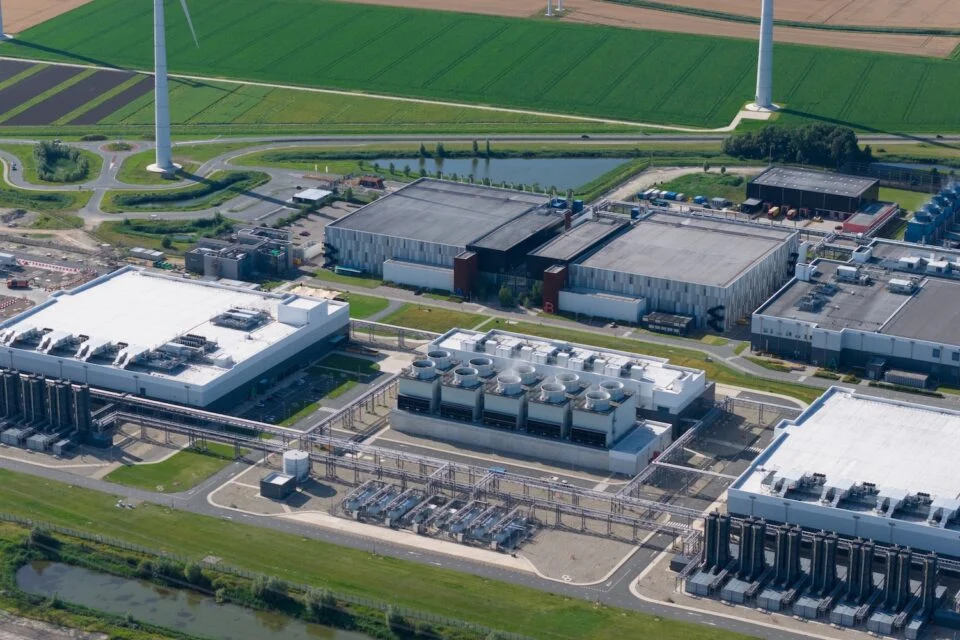
A small Michigan township is defending its controversial decision to settle a legal dispute tied to a proposed OpenAI-linked data center, calling the outcome a “lose-lose” situation forced by mounting legal costs, regulatory uncertainty, and competing public pressures.
The dispute began when plans for the large-scale data center sparked opposition from local residents concerned about environmental impact, water usage, noise, and long-term changes to the character of the community. Lawsuits and legal challenges soon followed, placing the township at the center of a high-stakes conflict between economic development ambitions and grassroots resistance.
Township officials say the settlement was not an endorsement of every aspect of the project, but a pragmatic move to limit financial exposure. According to local leaders, continuing the legal battle could have drained public funds, diverted staff resources, and left the township vulnerable to even greater liabilities if courts ultimately ruled against it.
“This was about damage control,” one official said during a public meeting. “No matter which path we chose, someone was going to be unhappy. Our responsibility was to protect taxpayers from an open-ended legal fight.”
Under the settlement terms, certain conditions related to zoning, infrastructure commitments, and operational limits were clarified or modified, while the township agreed to withdraw or resolve pending legal actions. Supporters argue the agreement provides predictability and preserves the township’s ability to regulate future development.
Critics, however, view the settlement as a capitulation to corporate power. Residents opposing the project say the township failed to adequately defend local interests and accuse officials of prioritizing outside investment over community concerns. Some have called for leadership changes and tighter development rules to prevent similar conflicts in the future.
The case highlights a growing challenge facing local governments nationwide as artificial intelligence and cloud computing drive demand for massive data centers. While such facilities can bring construction jobs, tax revenue, and technological prestige, they also raise questions about energy consumption, water resources, and the uneven distribution of benefits and burdens.
Legal experts note that municipalities often find themselves caught in a bind when large technology projects collide with zoning laws and public opposition. Settlements, while politically unpopular, are sometimes seen as the least damaging option in a landscape where litigation can stretch on for years with uncertain outcomes.
For the Michigan township, the controversy is far from over. Public trust has been strained, and officials now face the task of rebuilding confidence while managing the next phases of development. As AI infrastructure expands across the country, the episode serves as a cautionary tale about how local communities navigate the promises—and pitfalls—of the digital economy.
















Leave a Reply