

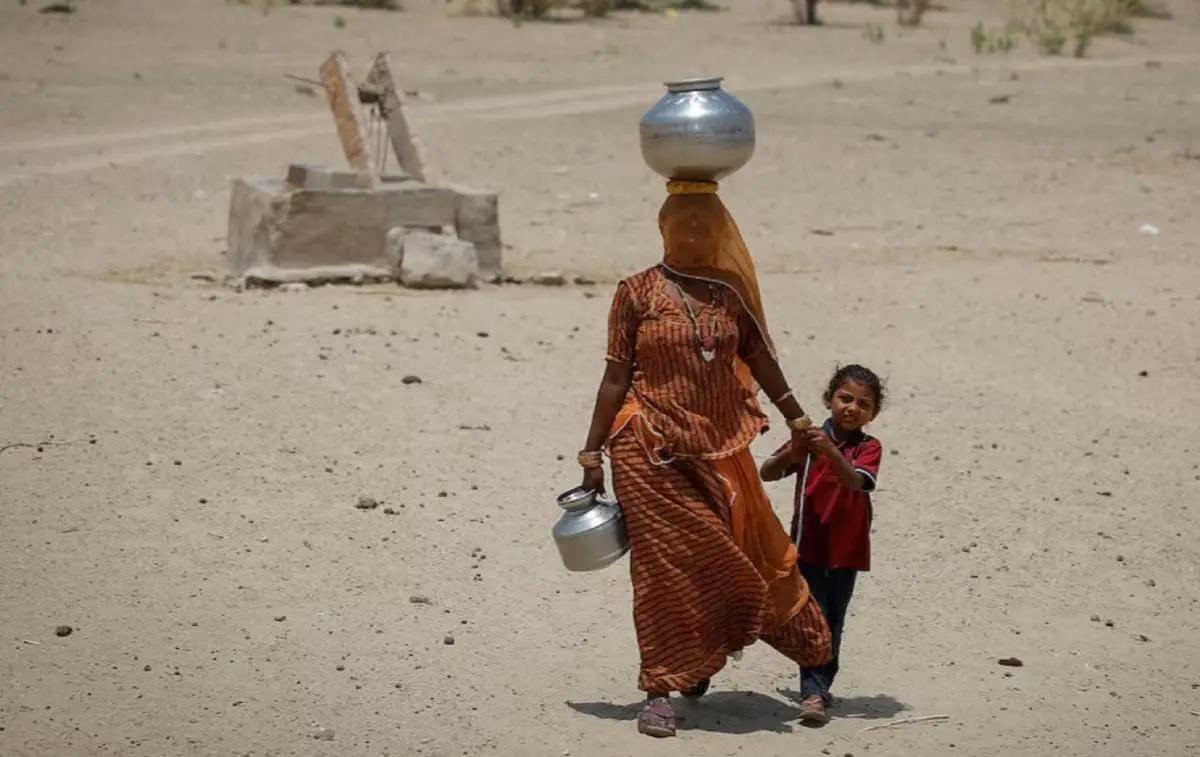
A severe heatwave has swept across southern Pakistan, claiming more than 500 lives in just six days, with Karachi suffering the most. Temperatures have soared above 40 °C (104 °F), and high humidity levels have made conditions feel even hotter, putting vulnerable populations at extreme risk.
Crisis in Karachi
Local authorities and rescue services report a surge in heat-related deaths, with morgues struggling to handle the sudden increase. Hospitals are overwhelmed with cases of heatstroke, dehydration, and cardiovascular stress, as residents endure prolonged exposure to dangerously high temperatures without adequate cooling.
Contributing Factors
Meteorologists attribute the intensity of the heatwave to persistent high-pressure systems combined with climate change, which scientists warn is making such extreme events more frequent. Urban heat island effects — where dense buildings trap heat — are worsening conditions in major cities like Karachi.
Power outages and load shedding have compounded the crisis, leaving many without fans or air conditioning during peak heat hours, as well as affecting water supply and refrigeration for food and medicine.
Public Health Measures
Health officials emphasize that the elderly, children, outdoor workers, and people with pre-existing health conditions are at greatest risk. Citizens are urged to stay hydrated, avoid outdoor activity during the hottest hours, and seek shade or air-conditioned spaces. Authorities are also working to set up cooling centers and distribute water in high-risk areas.
Broader Climate Implications
Experts warn that heatwaves of this severity are becoming increasingly common due to global warming. Without improved infrastructure, early warning systems, and climate mitigation efforts, extreme heat events are likely to become more deadly and frequent, particularly in densely populated urban regions

















Leave a Reply