

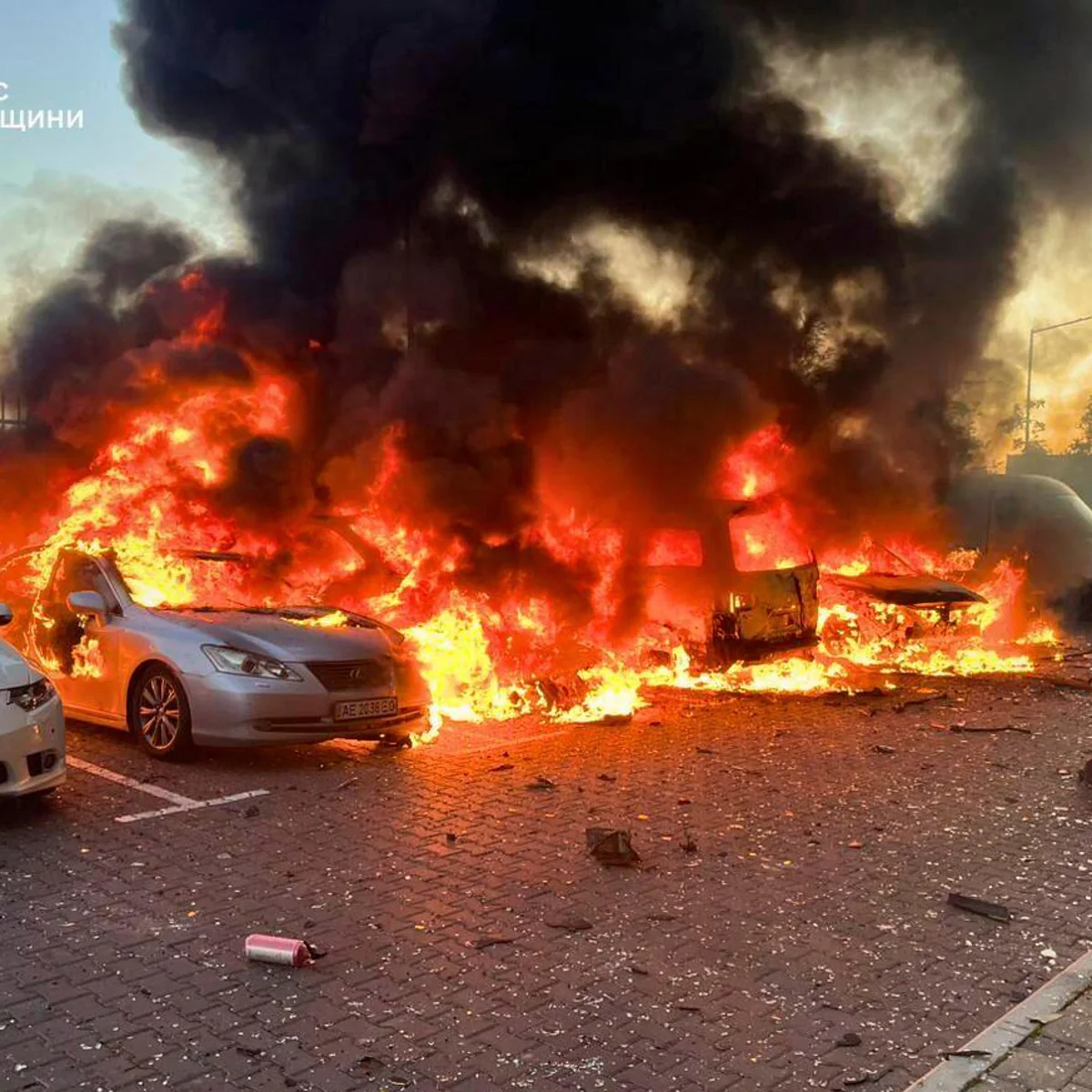
Ukraine has reported that a large-scale Russian airstrike overnight has killed at least three people and injured over thirty more. The attack represents one of the more intense recent bombardments, highlighting continued escalation and civilian toll in the conflict.
Details of the Attack
- The strike occurred during the night, described by Ukrainian officials as “massive” in scale.
- Russia launched multiple drone and missile strikes, targeting both military and civilian areas. Windows were shattered, buildings damaged, and infrastructure disrupted across several towns.
- Among the injured are both adults and children; many are being treated for shrapnel wounds, burns, and trauma from collapsing or damaged structures.
Ukrainian Response
- President Volodymyr Zelensky condemned the attack as brutal and deliberate, underscoring its civilian cost.
- Local emergency services mobilised quickly, working through the night to rescue those trapped under rubble and provide urgent medical aid. Hospitals in affected areas are overwhelmed, with some running low on supplies.
- Air raid sirens were sounded across multiple regions ahead of and during the attack, with many residents seeking shelter in basements and community bunkers.
Broader Impacts
- The attack has renewed concerns about the suffering of non-combatants in the conflict. Many Ukrainians are questioning the ability of current protective measures to keep civilians safe amid repeated airstrikes.
- Disruption to essential services such as power, water, and medical infrastructure is compounding damage; some neighborhoods remain without electricity or critical support functions.
- Psychological trauma and fear continue to mount for populations in affected regions. Repeated night attacks create ongoing anxiety about where and when the next strike might hit.
What This Signals
- Russia’s strategy appears to involve sustained aerial pressure coupled with missile and drone attacks to degrade Ukrainian defence and morale.
- The attack could complicate efforts at diplomacy or ceasefire, especially as Ukraine and its allies push for greater international support and accountability.
- Humanitarian organisations stress that even outside of front-line combat zones, civilians remain highly vulnerable to indiscriminate or poorly targeted attacks.
What to Watch Next
- Whether Ukraine can maintain resilient civilian protection infrastructure, including shelters and early warning systems.
- How allies of Ukraine respond—both diplomatically and in terms of military aid. Additional air defence assets may become more urgently requested.
- International investigations and monitoring groups may be called on to document damages and potential violations of international humanitarian law.
- The humanitarian fallout: displacement, medical shortages, and reconstruction of damaged infrastructure will all test Ukraine’s capacity to bounce back.









Leave a Reply