

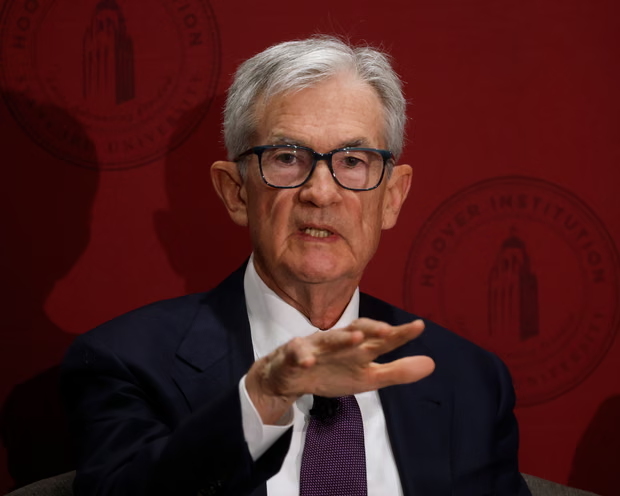
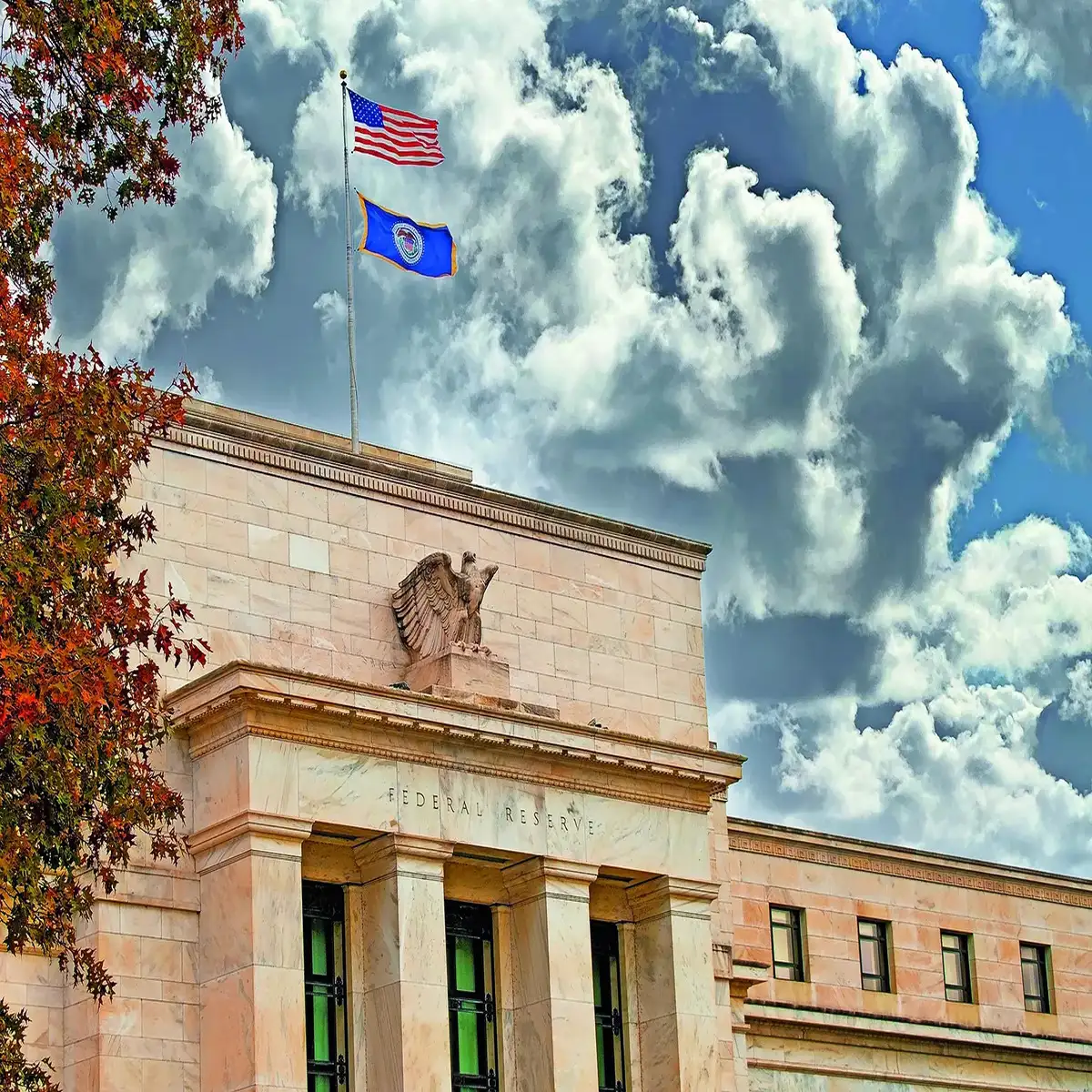
The Federal Reserve is closing out one of the most turbulent economic years in recent memory with a rare internal divide over whether to cut U.S. interest rates before the year draws to a close. Policymakers, who have spent months balancing inflation risks with slowing growth, are now split over how quickly to shift toward a more accommodative stance.
The debate comes as inflation continues its uneven cooling trend. While price pressures have eased from last year’s peaks, several categories — including housing and services — remain stubbornly elevated. At the same time, job growth has softened, consumer spending has moderated, and business investment has slowed, increasing concerns about an economic downturn if borrowing costs remain too high for too long.
Some Fed officials argue that a modest rate cut could help steady financial markets and prevent unnecessary strain on households and small businesses. They point to signs of weakening demand, rising credit card delinquencies, and tighter bank lending as evidence that the economy is already absorbing the full weight of last year’s aggressive hikes.
Others within the central bank are urging caution. They warn that moving too early could reignite inflation, undermine the Fed’s credibility, and delay the path toward price stability. This faction believes the economy is still resilient enough to withstand elevated rates for a bit longer, especially with consumer confidence holding and wages continuing to rise.
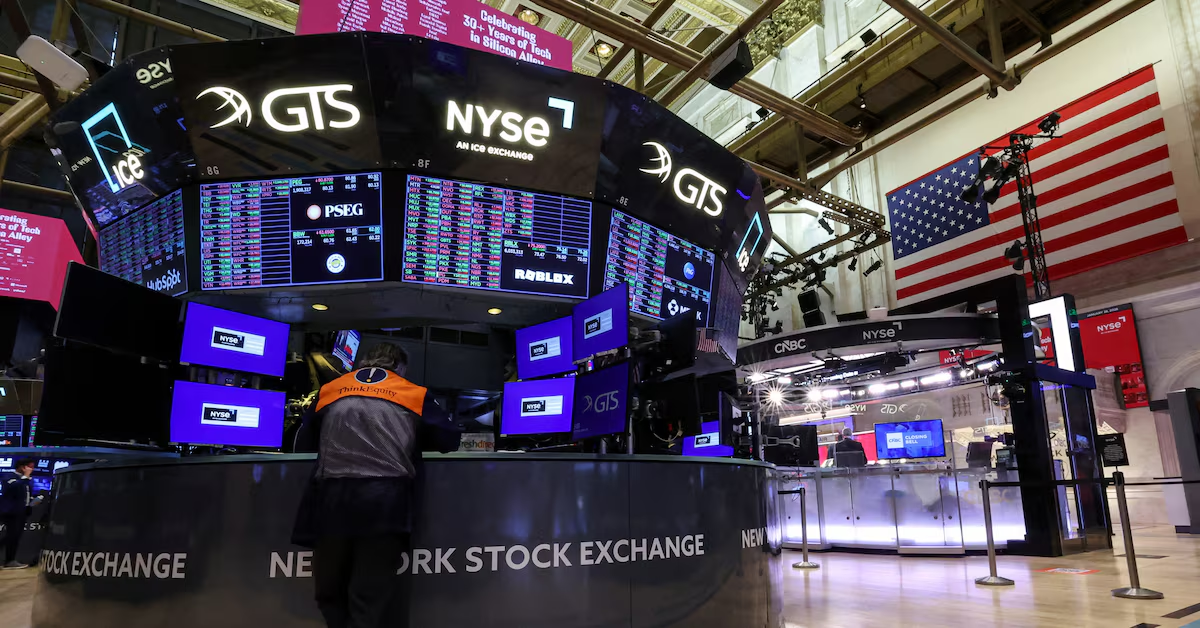
Markets have reacted nervously to the mixed signals, with investors parsing every statement from Fed officials for hints about the timing of a pivot. Analysts expect the central bank’s final meeting of the year to deliver one of its most contentious policy debates since the pandemic era — and potentially one of its most consequential.
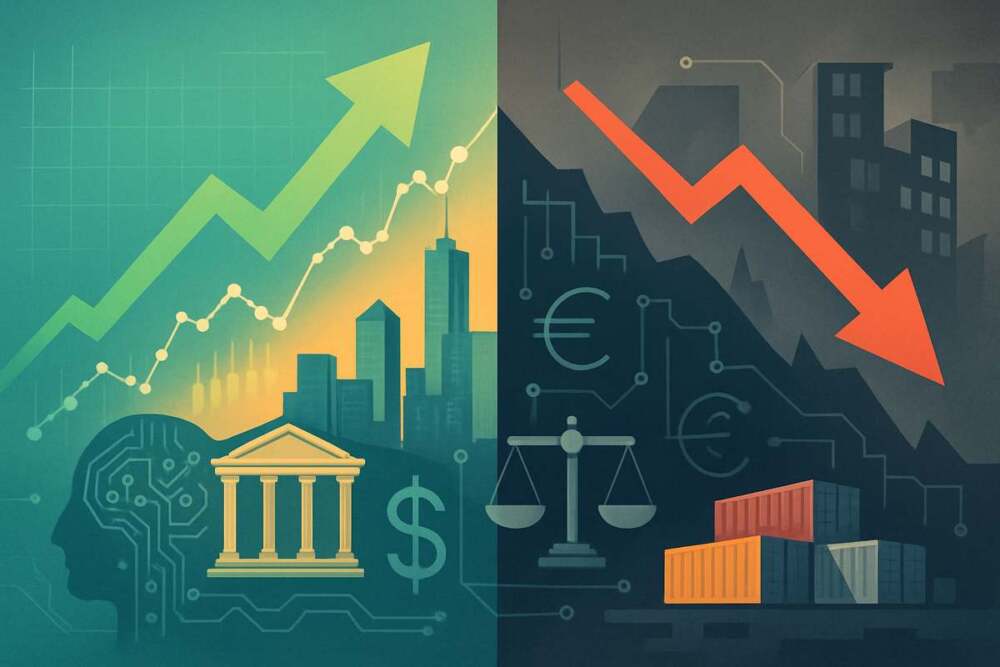
As the Fed faces pressure from Wall Street, Washington, and the broader public, the question lingers: will policymakers prioritize taming inflation or preventing a deeper economic slowdown? Whatever decision they make, it will set the tone for the U.S. economy heading into the new year.










Leave a Reply