

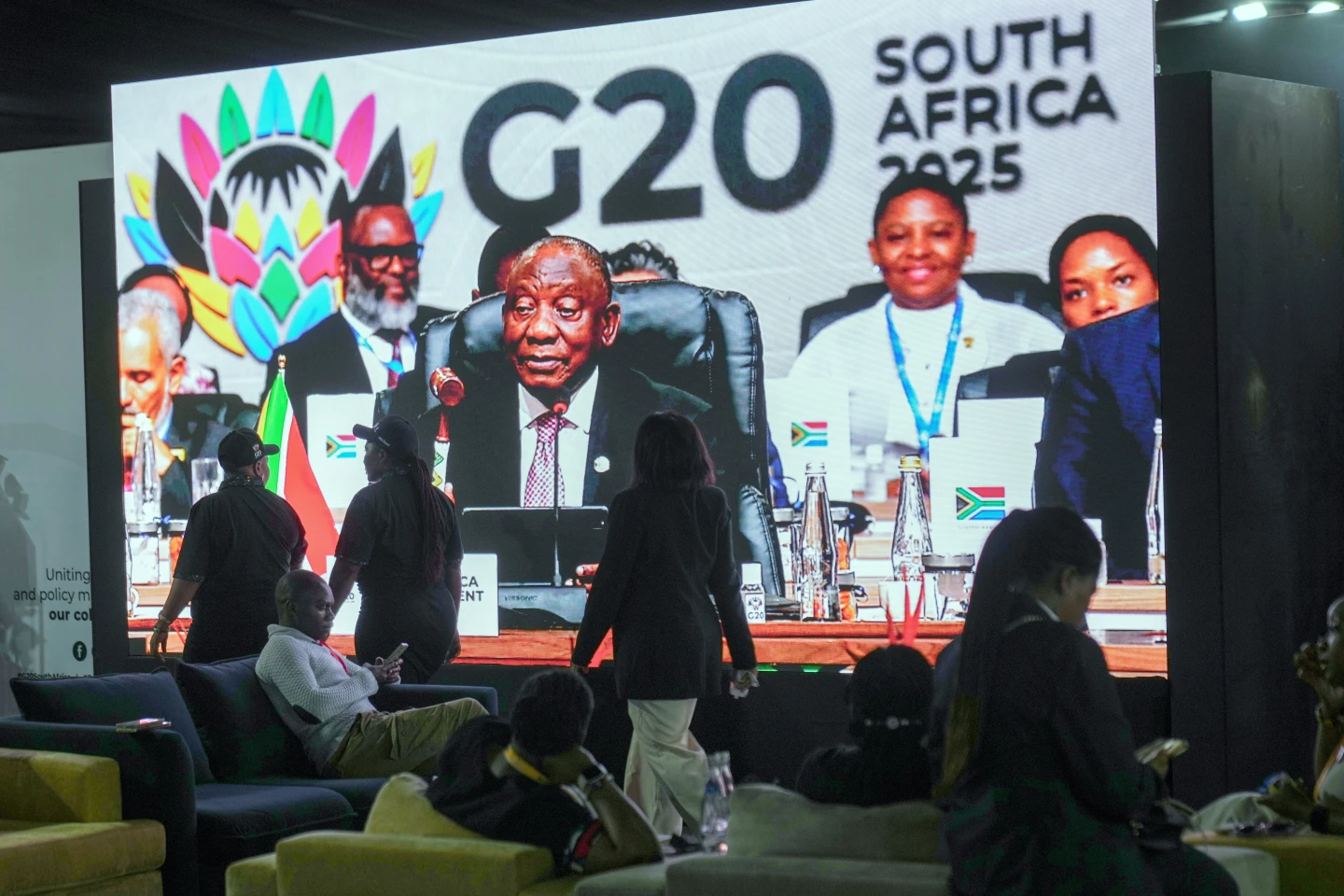
Following the conclusion of this year’s G20 summit in Johannesburg, the President of the United States announced that South Africa would be excluded from the 2026 G20 session — to be held at his Miami private club. In the same breath, he declared that all US payments and subsidies to South Africa would be cut immediately.
Reasons Given by Washington
The US administration justified its decision on two main grounds. First, it accused the South African government of mistreating a US delegate during the summit’s closing period by refusing to hand over the symbolic G20 “gavel” to a senior US embassy official. Second — and more controversially — it reiterated longstanding claims that white farmers and members of the Afrikaner community in South Africa are being subjected to violent persecution, land seizures, and human-rights abuses. According to the US, such “persecution” made South Africa unfit for future international trust or roles.
South African authorities swiftly rejected these accusations as baseless, calling them “ahistorical” and rooted in misinformation. Independent analyses confirm that crime — including attacks on farmers — is not uniquely targeted at the white minority, but affects communities across racial lines, with no credible evidence of government-endorsed racial persecution.
US Boycott of the 2025 Summit Deepened Rift
The G20 gathering in Johannesburg marked the first time the summit was held on African soil, an event meant to highlight priorities of developing nations. Yet the event was overshadowed from the start by US absence: the American delegation refused to attend, citing moral objections over what it described as “human-rights abuses.”
At the closing session, South Africa’s leadership declined to hand the formal G20 presidency gavel to a junior US diplomat, terming the gesture disrespectful. That refusal has now become the centerpiece for Washington’s retaliatory measures.
Wider Implications: Global Diplomacy Under Strain
The US decision sends a strong signal: membership and participation in global economic forums will no longer be taken for granted — according to this administration, moral and human-rights arguments can trump decades of diplomatic convention.
Critics warn this may deepen polarization within the G20, undermining cooperation on critical global issues like climate change, debt relief, and inequality. For South Africa — and other developing nations — the move risks eroding faith in multilateral engagement, especially when accusations are perceived to be driven by domestic political narratives rather than verified facts.
What Comes Next?
With the 2026 summit slated to be held in Miami under US presidency, South Africa now faces diplomatic isolation from one of the world’s most powerful economies. International observers and allied nations will likely be forced to take sides — a choice that could reshape alliances within the G20 and alter the balance of influence between Global North and Global South.
As tensions rise, many are watching to see whether other members of the group will rally around South Africa or tacitly accept Washington’s assertions, potentially rewriting the rules of engagement for global economic governance.







Leave a Reply