
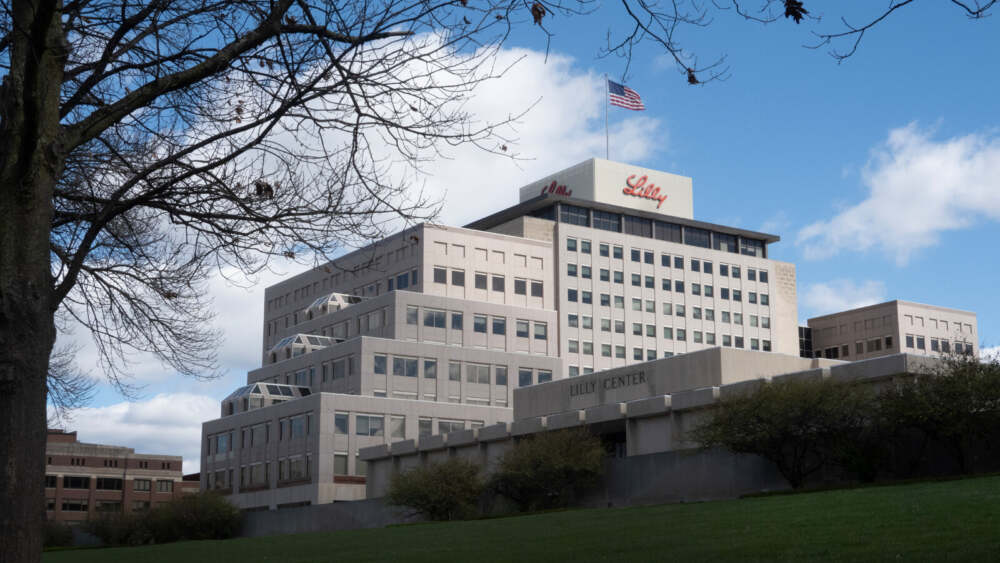
In a landmark moment for the pharmaceutical industry, Eli Lilly & Company has hit a $1 trillion market capitalization, becoming the first drugmaker ever to join the elite “trillion-dollar club.” This achievement underscores how the company’s blockbuster weight-loss and diabetes therapies have revolutionized both its business and the broader healthcare market.
The Surge to $1 Trillion
Lilly’s stock price soared in recent months, driven by surging demand for its key metabolic health treatments. The company’s share rally of over 35% this year reflects deep investor conviction in its weight-management portfolio. During the trading session when the milestone was reached, shares briefly peaked near $1,060.
This growth has positioned Lilly at one of the richest valuations in big pharma, with its forward price-to-earnings multiple reaching unusually high levels for a healthcare company. Analysts suggest that the market is pricing in sustained expansion in obesity therapies, betting that demand will remain strong for years.
What’s Powering the Growth: Mounjaro and Zepbound
At the heart of Lilly’s meteoric rise are its two GLP-1–based drugs: Mounjaro, used to treat diabetes, and Zepbound, its obesity treatment. These medicines have become cash engines for the company, generating more than $10 billion in quarterly revenue in the most recent reports — over half of Lilly’s overall sales.
These drugs have gained a dominant position in the global weight-loss market, outpacing long-time competitor Novo Nordisk, particularly thanks to robust clinical data, strong manufacturing scale-up, and efficient distribution. Lilly’s ability to deliver consistent supply while rapidly expanding access has helped it capture major market share.
Strategic Bets: What’s Next for Lilly
Investors are now turning their eyes toward Lilly’s pipeline, particularly its oral obesity drug, orforglipron, which is expected to launch in the near future. If approved, this pill could open up a new segment of the GLP-1 market—providing a more convenient alternative to injectable therapies.
Beyond obesity, Lilly is also investing heavily in metabolic health broadly. Its long-term strategy appears to hinge on maintaining dominance not just in weight-loss, but in associated conditions such as diabetes, heart disease, and kidney disease. This is paired with aggressive expansion of its production infrastructure to support high future demand.
Why This Matters: Broader Implications
- Pharma’s New Frontier: Lilly’s ascent signals a pivotal shift. What was once a niche area—weight-loss drugs—is now the center of growth for major pharmaceutical firms.
- Investor Confidence: The milestone reflects growing confidence that GLP-1 therapies will remain high-margin, high-growth products despite regulatory or pricing pressures.
- Healthcare Economics: As these drugs become more mainstream, questions about access, cost, and long-term affordability will intensify. Millions of patients could benefit — but systems will need to adapt to the financial and logistical scale of such demand.
- Competitive Dynamics: Lilly’s success puts pressure on rivals to innovate or partner. Novo Nordisk, long a leader in incretin therapies, now faces a formidable challenger with deep pockets and a rapidly expanding manufacturing base.
Risks and Challenges
While the valuation is historic, it comes with potential pitfalls:
- Regulatory Pressure: Increasing scrutiny over drug pricing could threaten Lilly’s profitability.
- Manufacturing Strain: Scaling up production to meet global demand is capital intensive and operationally difficult.
- Competition: Several new GLP-1–based therapies are in development, including oral formulations from other companies.
- Sustainability of Demand: Continued growth will depend on long-term patient adoption and insurance reimbursement; any slowdown could put pressure on future earnings.
Conclusion
Eli Lilly’s climb to a $1 trillion valuation marks a watershed moment in the pharmaceutical world. It embodies a dramatic transformation — from a traditional drugmaker to a dominant force in the booming obesity and metabolic health market. As the company presses ahead with its next-generation therapies, its success may redefine not just its own future, but the contours of the entire healthcare industry.















Leave a Reply