

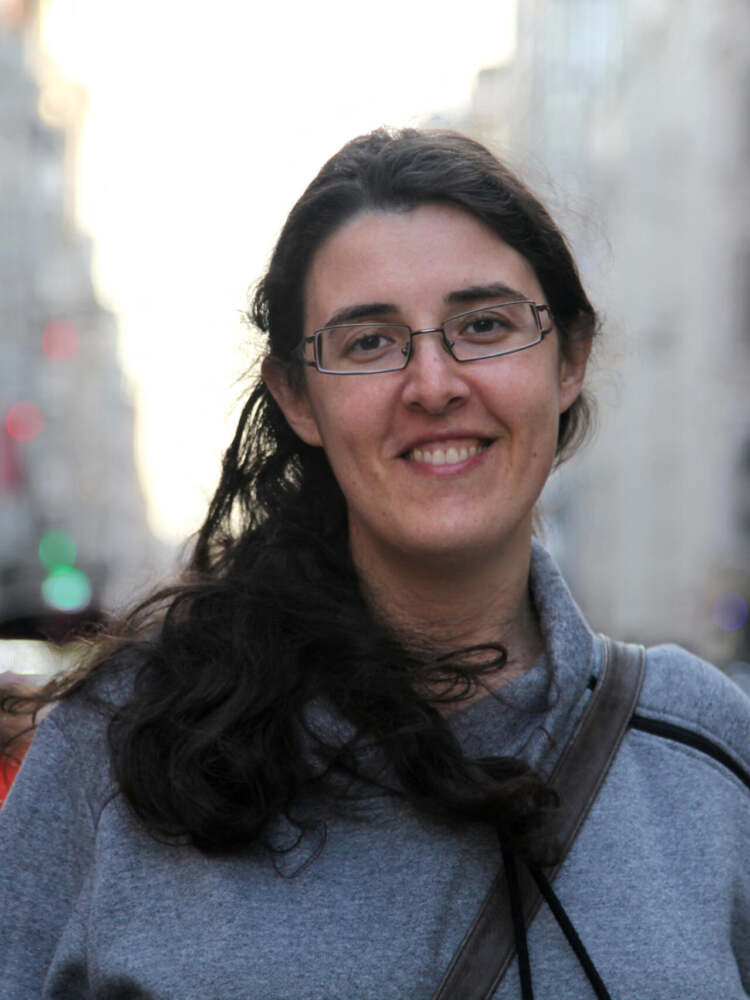
Elizabeth Tsurkov, a 38-year-old Israeli-Russian academic and doctoral researcher at Princeton University, has shared her harrowing story after being held captive in Iraq for over two years. Abducted in March 2023 by the Iran-backed militia Kata’ib Hezbollah, Tsurkov endured extreme physical and psychological torture before her release in September 2025.
Tsurkov had traveled to Baghdad for academic fieldwork, focusing on the complex social and political dynamics of postwar Iraq. She accepted what she thought was a meeting with a local woman seeking assistance with research on extremist groups. Instead, she was ambushed by armed men, forced into a vehicle, and immediately subjected to violence. Her captors later discovered her Israeli nationality, which they used to justify months of brutal interrogation and punishment.
According to Tsurkov, the early days of captivity were filled with relentless torture. She was beaten, electrocuted, and suspended by her arms. Her captors broke her fingers and threatened her with rape. They accused her of being a spy and filmed forced confessions meant for propaganda purposes. “I was treated like an object — a bargaining chip in their war against the West,” she recalled.
After several months, the physical torture slowed but psychological torment continued. She was confined to a small, windowless room where she lived in near-total darkness for over 900 days. Food was scarce and medical attention nonexistent. At one point, she developed an infection from untreated wounds that nearly took her life. Books and a small TV were eventually provided, but she was never allowed to see daylight or communicate with the outside world.
Tsurkov’s release came after extensive negotiations involving several countries, including the United States and Israel. Quiet diplomacy and indirect channels through Iraq’s government finally secured her freedom. She was returned to Israel weak, severely malnourished, and emotionally scarred.
Medical examinations following her release revealed nerve damage, missing teeth, and deep tissue injuries — evidence of prolonged abuse. She is now undergoing long-term rehabilitation and trauma therapy. Despite the ordeal, Tsurkov has vowed to continue her academic work and to speak out about the dangers faced by researchers in conflict zones.
Her story sheds light on the growing threat of militia groups in Iraq and the continued impunity they enjoy. It also underscores the risks faced by humanitarian and academic workers in regions plagued by instability and extremist influence. The incident has reignited debates over whether Western researchers should be allowed to operate in areas controlled by armed factions.
For Tsurkov, the experience is both deeply personal and profoundly political. “I survived because I refused to let them break me,” she said. “But I also survived because people around the world refused to forget me.”
Her courage, resilience, and willingness to share her story have turned her ordeal into a global call for stronger protections for civilians and scholars working in volatile environments.







Leave a Reply