

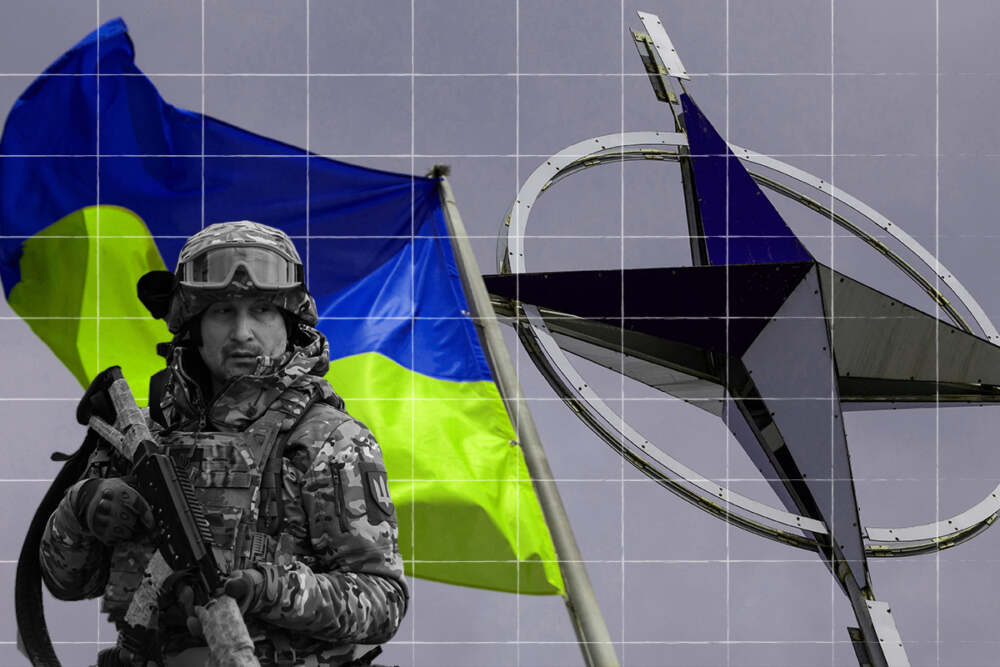
Europe is undergoing a profound transformation in its approach to defence and security, as countries across the continent rapidly expand military production to meet the demands of a shifting global landscape. The surge in defence spending, accompanied by a dramatic increase in industrial output, signals a long-term strategic pivot toward self-reliance and preparedness.
The Scale of the Defence Boom
Across Europe, factories producing munitions, armored vehicles, combat aircraft, and advanced surveillance systems are operating at unprecedented levels. Facilities that had been idle or underutilized for years are now being fully reactivated, with production lines running around the clock to replenish stockpiles and supply armed forces. In some countries, defence orders have increased by more than 50 percent compared to pre-crisis levels, reflecting the urgency of the new security environment.
Government budgets have followed suit. European nations are committing billions of euros to modernize armed forces, expand research and development programs, and strengthen domestic manufacturing capacity. This investment is intended not only to meet immediate military needs but also to lay the foundation for sustained strategic autonomy in the decades ahead.
Drivers Behind the Expansion
Several factors are driving the surge in European defence production:
- Geopolitical Uncertainty: The war in Ukraine and other regional tensions have highlighted the limits of relying solely on external allies for security. Nations are now seeking greater control over their own defence capabilities.
- Modernization Needs: Many European militaries were underfunded for years, resulting in outdated equipment and insufficient stockpiles. The current investments aim to modernize forces with cutting-edge technology.
- Industrial Revitalization: Governments recognize that a robust defence industry is essential for national security. By revitalizing domestic production, nations can reduce reliance on foreign suppliers and ensure readiness during crises.
- Political Consensus: Across party lines, leaders agree that European countries must strengthen their military capacity. The urgency of the current geopolitical situation has created a rare alignment in defence policy.
Economic and Industrial Impact
The expansion of defence production is having significant economic effects. Factories are hiring tens of thousands of workers, boosting local economies, and revitalizing regions that had seen industrial decline. Supply chains, long dormant or fragmented, are being rebuilt, and private investors are increasingly funding defence projects with an eye on long-term government contracts.
Research and development is also receiving a major boost. European nations are investing in next-generation technologies such as hypersonic missiles, advanced drones, cyber defence systems, and artificial intelligence for military applications. This not only enhances operational capability but positions Europe as a competitive player in the global arms industry.
Strategic Implications
The defence boom represents more than just an industrial expansion; it signals a strategic recalibration. European countries are seeking greater strategic autonomy, ensuring they can respond independently to threats without overreliance on external powers. This shift may reshape alliances and defense partnerships, as Europe seeks to balance cooperation with the NATO alliance while strengthening national capabilities.
At the same time, the rearmament wave is likely to influence global geopolitics. Increased military capacity in Europe may act as a deterrent to potential aggressors, but it could also accelerate arms races in other regions. Analysts caution that without careful diplomacy, rapid military expansion could contribute to tension rather than stability.
Fiscal and Policy Challenges
Despite widespread political support, the surge in defence spending poses challenges. Funding large-scale military programs requires careful fiscal management, particularly in countries with tight budgets. Governments must balance defence priorities with social spending, infrastructure, and other domestic obligations.
There is also the risk of bureaucratic inefficiency. Some critics warn that procurement processes in Europe remain complex, and without streamlined procedures, delays and cost overruns could undermine the benefits of increased investment.
Public Perception and Social Impact
The European public has generally supported increased defence spending, viewing it as a necessary response to growing security threats. However, concerns remain over the potential economic trade-offs, especially if spending comes at the expense of social services. Governments are tasked with demonstrating that investments in defence not only enhance security but also contribute positively to economic growth and technological innovation.
A Long-Term Transformation
Europe’s defence industry is undergoing a structural transformation, moving from a period of underfunding and reliance on imports to robust domestic production and technological innovation. This change is likely to have long-lasting effects on military readiness, industrial competitiveness, and geopolitical influence.
The surge in arms production is not simply a reaction to immediate threats; it reflects a fundamental rethinking of Europe’s strategic posture. By rebuilding and modernizing its military-industrial base, Europe is positioning itself for a future in which it can defend its interests, maintain strategic autonomy, and respond effectively to emerging global challenges.
Conclusion
Europe’s arms boom is both historic and transformative. Governments, industries, and workers are mobilized on a scale not seen in decades, signaling a new era in European defence. The challenge now lies in ensuring that this rapid expansion is sustainable, strategically coherent, and capable of providing both security and economic benefit. If successful, Europe could emerge stronger, more resilient, and better prepared for the complex geopolitical landscape of the 21st century.












Leave a Reply