

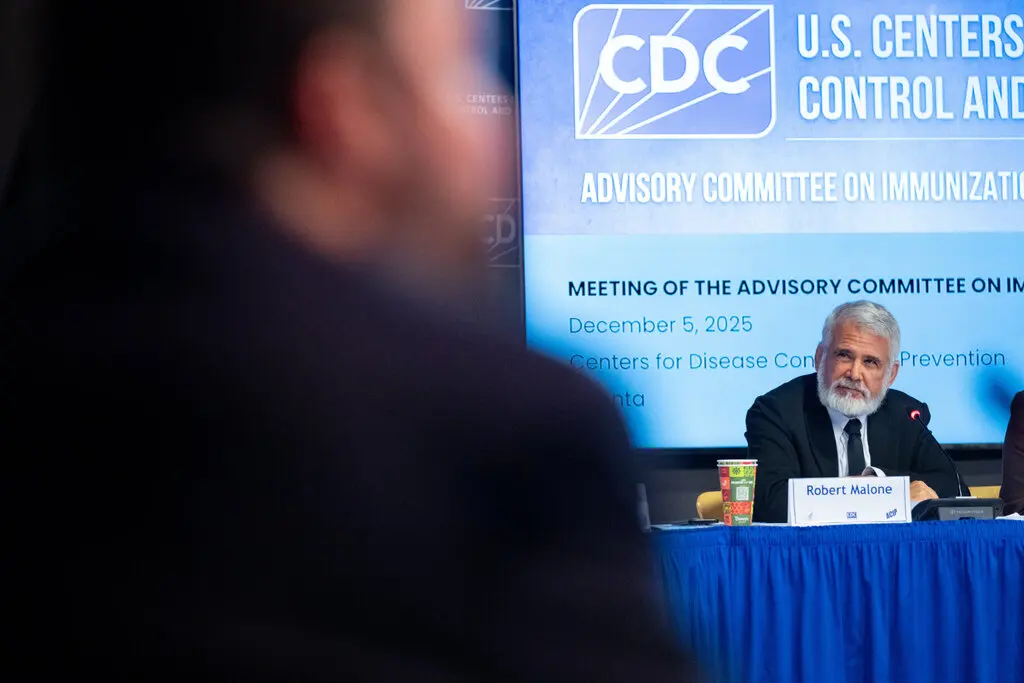
A growing chorus of public health experts is criticizing advisers associated with Robert F. Kennedy Jr., saying their recent guidance on vaccines has “turned back the clock” on decades of scientific progress. The comments come amid renewed debate over vaccination policies and misinformation, particularly regarding childhood immunizations.
Experts’ Concerns
Medical professionals warn that the advisers’ recommendations contradict established scientific consensus, potentially undermining decades of progress in controlling preventable diseases. Critics argue that promoting outdated or misleading vaccine narratives could lead to lower immunization rates, increasing the risk of outbreaks of illnesses such as measles, whooping cough, and polio.
Dr. [Name], a leading epidemiologist, noted, “These advisers are effectively revisiting policies and beliefs that modern medicine abandoned for a reason. Encouraging vaccine hesitancy now can have real, measurable consequences for public health.”
Impact on Public Health Messaging
Public health officials are concerned that the advisers’ statements could erode trust in vaccines, a cornerstone of modern medicine. Studies have consistently shown that high vaccination coverage is critical to preventing disease spread, protecting vulnerable populations, and reducing hospitalizations and fatalities.
The debate has also reignited discussions about regulatory oversight and science-based guidance, emphasizing the importance of relying on peer-reviewed research rather than anecdotal claims or ideological positions.
Kennedy’s Position
Robert F. Kennedy Jr. and his team have argued that their advice promotes “informed choice”, framing their stance as advocating for parental decision-making. However, experts stress that accurate information, not selective reinterpretation of data, is key to ensuring community health and safety.
As the controversy continues, public health agencies are redoubling efforts to communicate the benefits of vaccination and counter misinformation that could jeopardize decades of progress in disease prevention.

















Leave a Reply