

Fresh clashes erupted along sections of the Thai-Cambodian border on Tuesday, contradicting former U.S. President Donald Trump’s public assertion that a cease-fire had been reached between the two Southeast Asian neighbors. Artillery fire, small-arms exchanges, and troop movements were reported near disputed frontier zones, underscoring the fragility of any diplomatic understanding and raising concerns about a wider escalation.
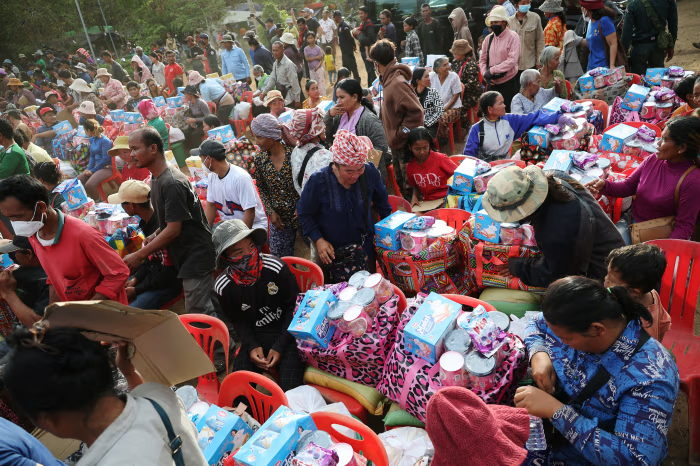
Local officials on both sides confirmed that fighting resumed in multiple areas despite earlier statements suggesting hostilities had paused. Villagers in border provinces described hearing explosions through the night, while some families were forced to flee their homes as shells landed close to civilian settlements. Temporary shelters were opened by local authorities as a precautionary measure, though casualty figures remained unclear.
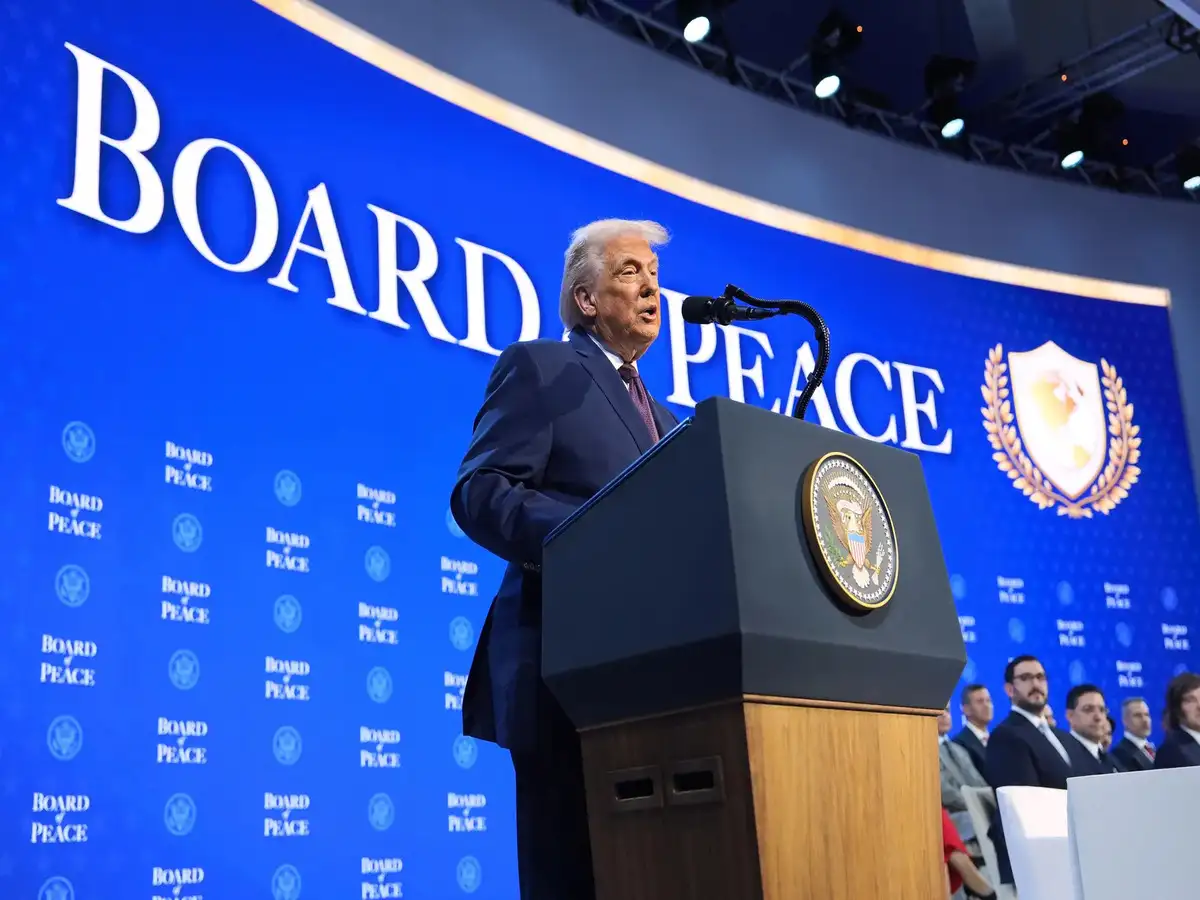
Trump had claimed that quiet had returned to the border following behind-the-scenes diplomatic engagement. However, neither Bangkok nor Phnom Penh formally announced a verified cease-fire, and military commanders appeared to be operating under standing orders rather than any new truce agreement. Analysts noted that public claims of peace, without clear mechanisms for enforcement, often fail to hold in long-running territorial disputes.
The latest fighting centers on areas near ancient temple complexes and poorly demarcated stretches of the border, where overlapping claims have fueled tensions for decades. Although the two countries share deep economic and cultural ties, nationalist sentiment periodically flares when incidents occur near these sensitive locations.
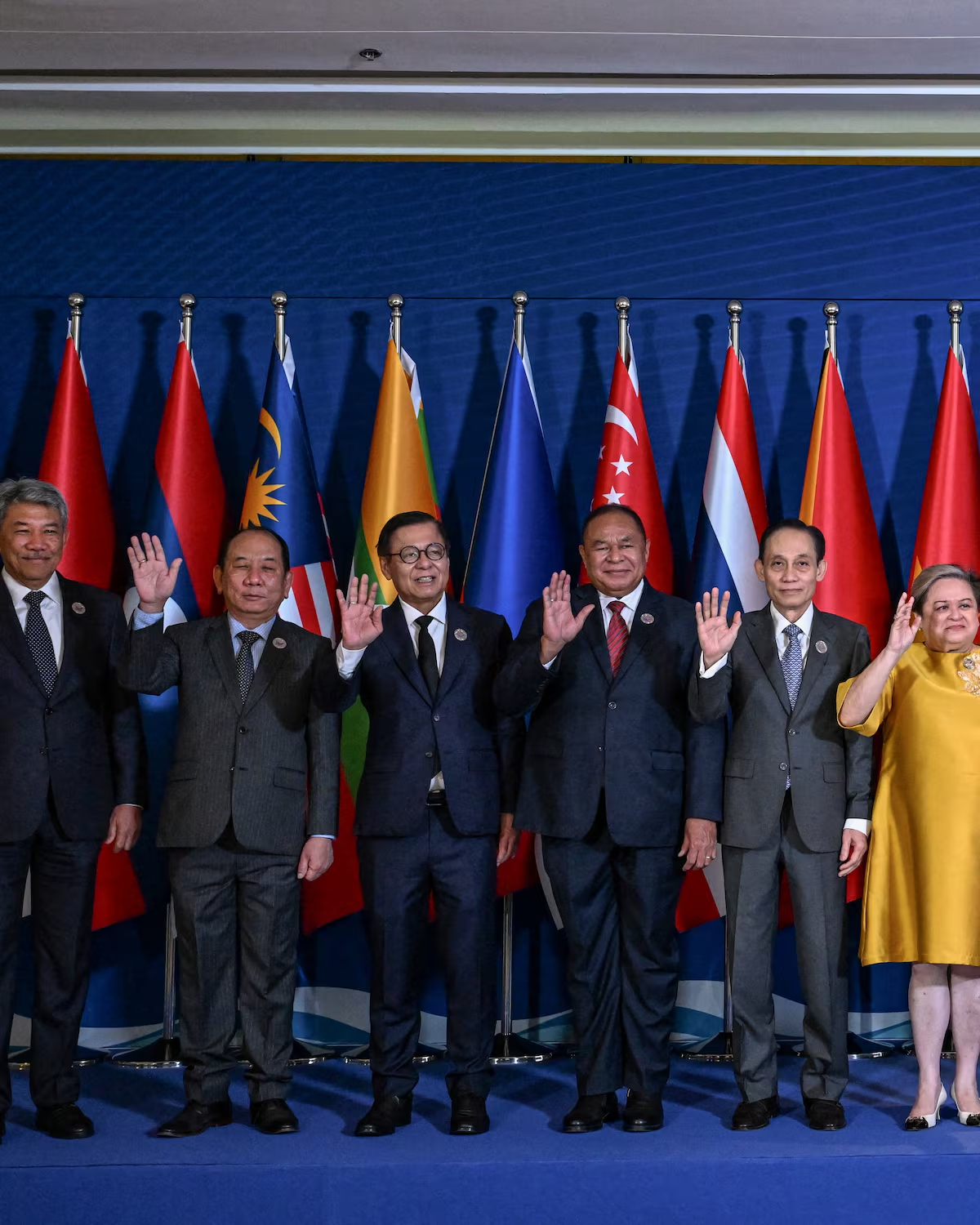
Regional observers warned that continued clashes risk drawing in broader diplomatic pressure from neighboring ASEAN states. Both Thailand and Cambodia are members of the bloc, which has historically promoted dialogue and restraint in regional disputes. Calls are growing for an emergency meeting to de-escalate the situation and establish monitoring measures on the ground.
For residents living along the frontier, uncertainty remains the dominant reality. “We hear politicians talk about peace, but on the ground we still hear the guns,” said one community leader near the border. Until official confirmation of a cease-fire is reached and enforced, the prospect of sustained calm appears elusive.








Leave a Reply