

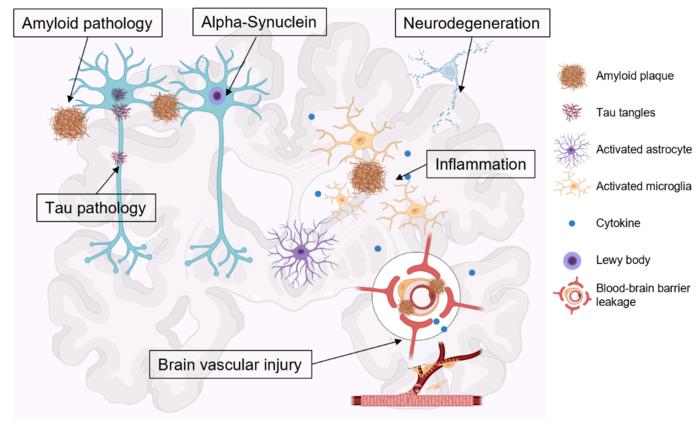
Alzheimer’s disease remains one of the most challenging neurological conditions, affecting millions worldwide. In 2025, researchers and clinicians have made notable strides in both care strategies and therapeutic interventions, offering renewed hope for patients and families. Here are five key advances shaping Alzheimer’s treatment this year.
1. Personalized Drug Therapies
Advances in genomics and biomarker research have enabled personalized medication plans tailored to an individual’s genetic profile and disease progression. Drugs targeting amyloid plaques and tau proteins can now be administered with greater precision, improving effectiveness and reducing side effects. Clinical trials have shown promising outcomes, particularly in early-stage patients.
2. Blood-Based Diagnostic Tests
Early and accurate diagnosis is critical for effective management of Alzheimer’s. In 2025, blood-based tests capable of detecting specific biomarkers are becoming more widely available, offering a non-invasive and cost-effective alternative to brain scans. These tests allow physicians to identify the disease before cognitive symptoms fully manifest, opening the door to early interventions.
3. AI-Powered Cognitive Monitoring
Artificial intelligence is transforming patient monitoring through tools that track cognitive decline in real time. AI algorithms analyze speech patterns, memory tasks, and behavioral changes to detect subtle shifts that may indicate disease progression. This technology enables caregivers and clinicians to adjust treatment plans proactively, improving patient outcomes.
4. Neurostimulation and Brain Health Devices
Non-invasive neurostimulation devices, including transcranial magnetic stimulation (TMS) and targeted electrical stimulation, are showing potential in slowing cognitive decline. Combined with traditional therapies, these approaches aim to enhance neuronal connectivity, improve memory retention, and support overall brain health. Early studies report improved quality of life and daily functioning for participants.
5. Innovative Care Models and Support Systems
Alzheimer’s care is evolving beyond medications. Integrated care models now combine telehealth consultations, virtual support groups, and caregiver training programs to reduce patient isolation and caregiver burnout. Technology-enabled home monitoring systems also help families track daily activities safely, enabling patients to maintain independence longer.
Looking Ahead
These breakthroughs demonstrate a multi-pronged approach to Alzheimer’s treatment, combining medical, technological, and social innovations. While a definitive cure remains elusive, 2025 marks a year of tangible progress, giving patients and families new tools to manage the disease and improve quality of life.
Experts emphasize that early detection, personalized care, and technological support are central to these advances, signaling a paradigm shift in how Alzheimer’s is treated and experienced.

















Leave a Reply