


In a dramatic shift of strategy, Ford Motor Company has announced it is discontinuing the fully electric F-150 Lightning, citing falling demand and rising production losses as key factors undermining the vehicle’s profitability. The decision marks a significant setback for the automaker’s ambitious electric vehicle (EV) plans and underscores the challenges legacy automakers face in the rapidly evolving EV market.
The Rise and Fall of the F-150 Lightning
Introduced with fanfare as a green alternative to America’s best-selling pickup, the F-150 Lightning promised strong performance, cutting-edge technology, and zero emissions. Ford positioned it as a flagship EV capable of appealing to both traditional truck buyers and environmentally conscious consumers.
Early sales were initially strong, driven by hype, incentives, and fleet orders, but momentum quickly slowed. Analysts attribute the decline to a combination of high retail prices, limited charging infrastructure, and growing competition from other EV manufacturers, including Tesla and Rivian, which have captured the imagination of eco-conscious truck buyers.
Financial Pressures Mount
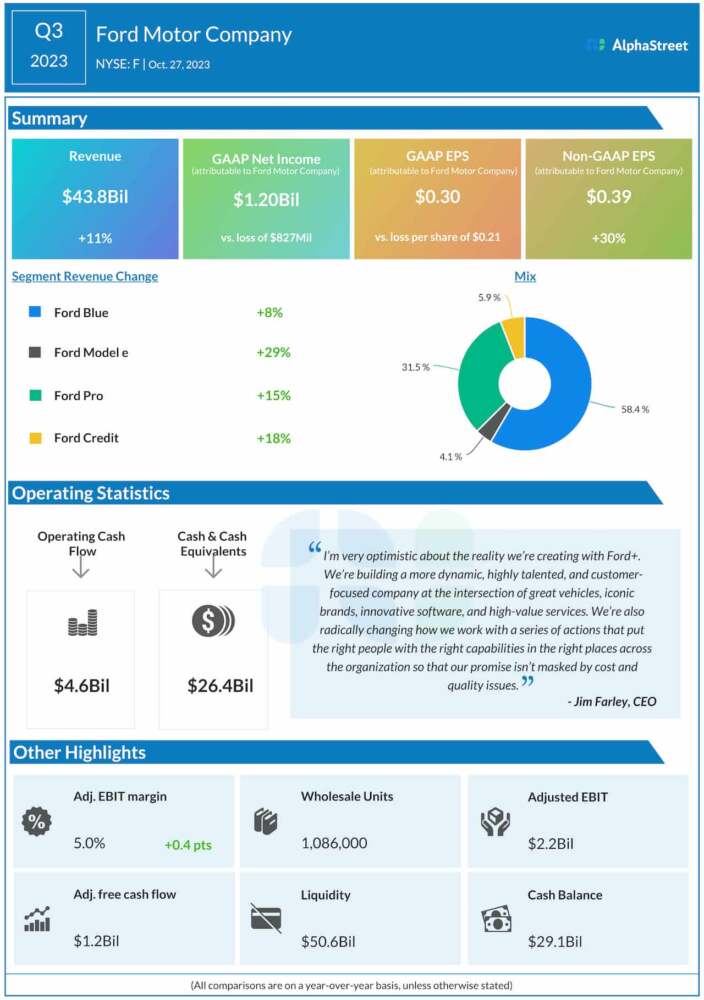
Ford executives disclosed that the Lightning had begun incurring significant financial losses due to high production costs, supply chain challenges, and lower-than-expected sales volumes. Maintaining profitability in the face of rising battery costs and expensive raw materials proved increasingly difficult, particularly as demand failed to meet projections.
The company confirmed that discontinuing the Lightning would allow it to refocus resources on other EV and hybrid models, while reevaluating its overall strategy for electrifying its most iconic vehicles.
Implications for Ford’s EV Strategy
The F-150 has long been central to Ford’s identity and revenue. The decision to scrap the fully electric version is a stark reminder that the transition to EVs is not straightforward, even for major automakers.
Industry experts suggest Ford will likely continue to develop hybrid versions of the F-150 while exploring next-generation battery technology and manufacturing efficiencies for future fully electric trucks. The company faces growing pressure from investors to balance innovation with financial discipline, ensuring that EV ambitions do not undermine overall profitability.
Market Reactions and Competitor Advantage
Investors responded to the news with concern, as it highlights the difficulty of scaling EV production while maintaining margins. Meanwhile, competitors with lower-cost EV platforms or more flexible manufacturing systems may gain an advantage, particularly in the fast-growing electric truck segment.
For consumers, the decision may reduce confidence in Ford’s commitment to fully electric pickups, potentially influencing brand loyalty and future purchasing decisions.
The Road Ahead
Ford’s retreat from the fully electric F-150 Lightning signals that the EV revolution will not be uniformly smooth for established automakers. While the company remains committed to electrification, it must carefully navigate demand volatility, production costs, and technological challenges to maintain its position in both the EV and traditional truck markets.
For now, Ford appears to be prioritizing financial stability over aggressive expansion, a move likely to shape the company’s EV roadmap in the coming years.















Leave a Reply