

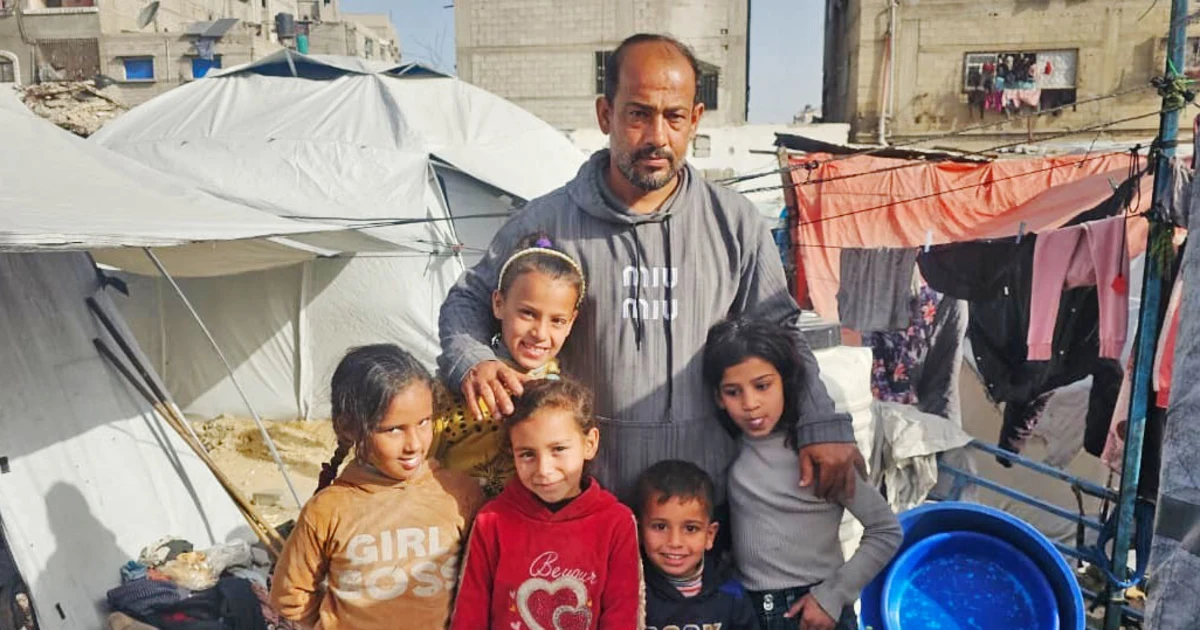
The Rafah border crossing between the Gaza Strip and Egypt is set to reopen on Sunday under a limited arrangement announced by Israeli authorities, marking a significant — though tightly managed — development in ongoing ceasefire efforts. The crossing, Gaza’s only direct gateway to Egypt and the wider Arab world, has been largely closed for nearly two years, contributing to deep humanitarian and economic hardship inside the enclave.
The reopening will initially allow restricted pedestrian movement only, with individuals required to undergo prior security screening and coordination between Israeli and Egyptian officials. International monitors are expected to oversee operations at the crossing, a measure intended to reassure all sides that movement will remain controlled and transparent.
While symbolic, the step stops short of restoring full border functionality. Commercial goods, large aid convoys, and regular trade shipments will not yet be permitted through Rafah under the current framework. For now, the focus is on carefully managed crossings of people, particularly those who had previously left Gaza during the conflict and are seeking to return, as well as select humanitarian cases.
Israeli officials have linked the reopening to progress in the broader ceasefire process, describing it as part of a phased approach aimed at balancing humanitarian relief with security concerns. Authorities argue that gradual implementation reduces the risk of weapons smuggling or militant movement while still allowing limited civilian mobility.
For many Palestinians in Gaza, Rafah represents more than a border point — it is a lifeline. Years of war, displacement, and infrastructure destruction have left hospitals overwhelmed and essential services stretched beyond capacity. Thousands of patients have been unable to travel abroad for specialized medical care, and families separated by the conflict have had few legal routes to reunite. Even a partial reopening is therefore seen by many residents as a long-awaited break in prolonged isolation.
Humanitarian organizations have cautiously welcomed the announcement but stress that broader access is urgently needed. Aid groups argue that allowing only people to pass, without reopening channels for consistent delivery of fuel, medical supplies, and reconstruction materials, will limit the immediate impact on living conditions. They continue to call for expanded humanitarian corridors and predictable entry points for assistance.
Egypt’s role remains central and delicate. Cairo has historically maintained strict oversight of movement through Rafah, citing its own national security concerns and the need for coordination with Palestinian authorities. The renewed operation of the crossing will require close cooperation between Egypt, Israel, and international actors to ensure smooth processing and prevent renewed shutdowns.
Politically, the move may serve as a confidence-building measure in a fragile environment where mistrust runs deep. Each incremental easing of restrictions is being closely watched as a test of whether the ceasefire framework can produce tangible improvements on the ground.
Still, uncertainty looms. The scale, pace, and duration of the reopening will depend on security assessments and continued diplomatic engagement. For Gaza’s civilians, Sunday’s development offers a measure of hope — but also a reminder that meaningful recovery will require sustained access, reconstruction support, and long-term stability.









Leave a Reply