

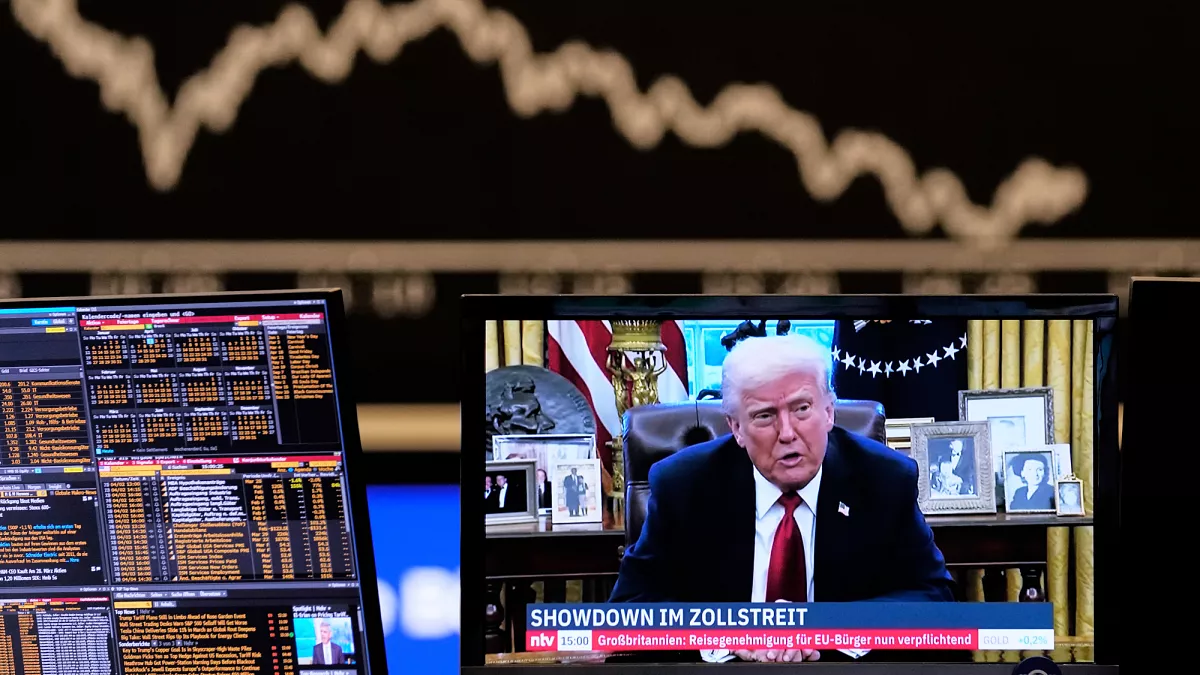
Global financial markets experienced significant turbulence as government bonds, including U.S. Treasuries, fell sharply amid fears of escalating tariffs and trade tensions. Investors, shaken by geopolitical uncertainty, sold off sovereign debt, pushing yields higher and challenging the long-standing perception of Treasuries as a safe-haven asset.
Treasuries Lose Safe-Haven Appeal
U.S. Treasury bonds, traditionally seen as a secure investment, saw notable price declines as yields rose to their highest levels in months. Longer-term Treasuries were particularly affected, with 10-year and 30-year yields climbing sharply. Higher yields reflect falling bond prices and indicate that investors are demanding more compensation for perceived risk.
The sell-off highlights a broader shift in market sentiment. After a period of steady demand for Treasuries amid inflation and economic uncertainty, traders are now factoring in political and trade-related risks that challenge conventional safe-haven assumptions.
Tariff Anxiety Drives Market Volatility
The key trigger for the bond sell-off is renewed concern over potential tariffs on major trading partners. Investors fear that trade conflicts could disrupt global growth, stoke inflation, and increase market uncertainty. These worries have prompted a reevaluation of risk across multiple asset classes, weakening confidence in even the most secure government debt.
The turbulence extended beyond U.S. markets. Government bonds in Japan, Australia, New Zealand, and Europe also fell, with yields rising as investors dumped holdings. The synchronized movement underscores how interconnected global debt markets are, particularly during periods of heightened risk aversion.
Impact on Equities and Currencies
The bond sell-off has spilled over into equity markets. Stock indexes in Europe and Asia opened lower, and U.S. futures indicated potential declines. Investors have sought refuge in precious metals, with gold and silver gaining as traditional safe-haven alternatives during periods of uncertainty.
The U.S. dollar weakened, reflecting diminished confidence in U.S. assets amid trade and geopolitical concerns. Currency markets have increasingly mirrored broader risk sentiment, with investors reallocating capital away from perceived higher-risk environments.
Consequences for Borrowing and Policy
Rising Treasury yields have immediate implications for borrowing costs. Higher yields generally increase interest rates on mortgages, corporate loans, and government financing. A prolonged sell-off could tighten financial conditions, slowing economic activity at a time when uncertainty over trade policy persists.
Policymakers now face a delicate challenge: balancing political objectives with the need to maintain market confidence. Sustained volatility in bonds, equities, and currencies may influence central bank decisions and economic growth projections.
Looking Ahead
Investors will closely monitor several factors in the coming weeks:
- Trade developments: Any easing of tariff tensions could calm markets.
- Economic indicators: Inflation, employment, and growth data will shape expectations for interest rates.
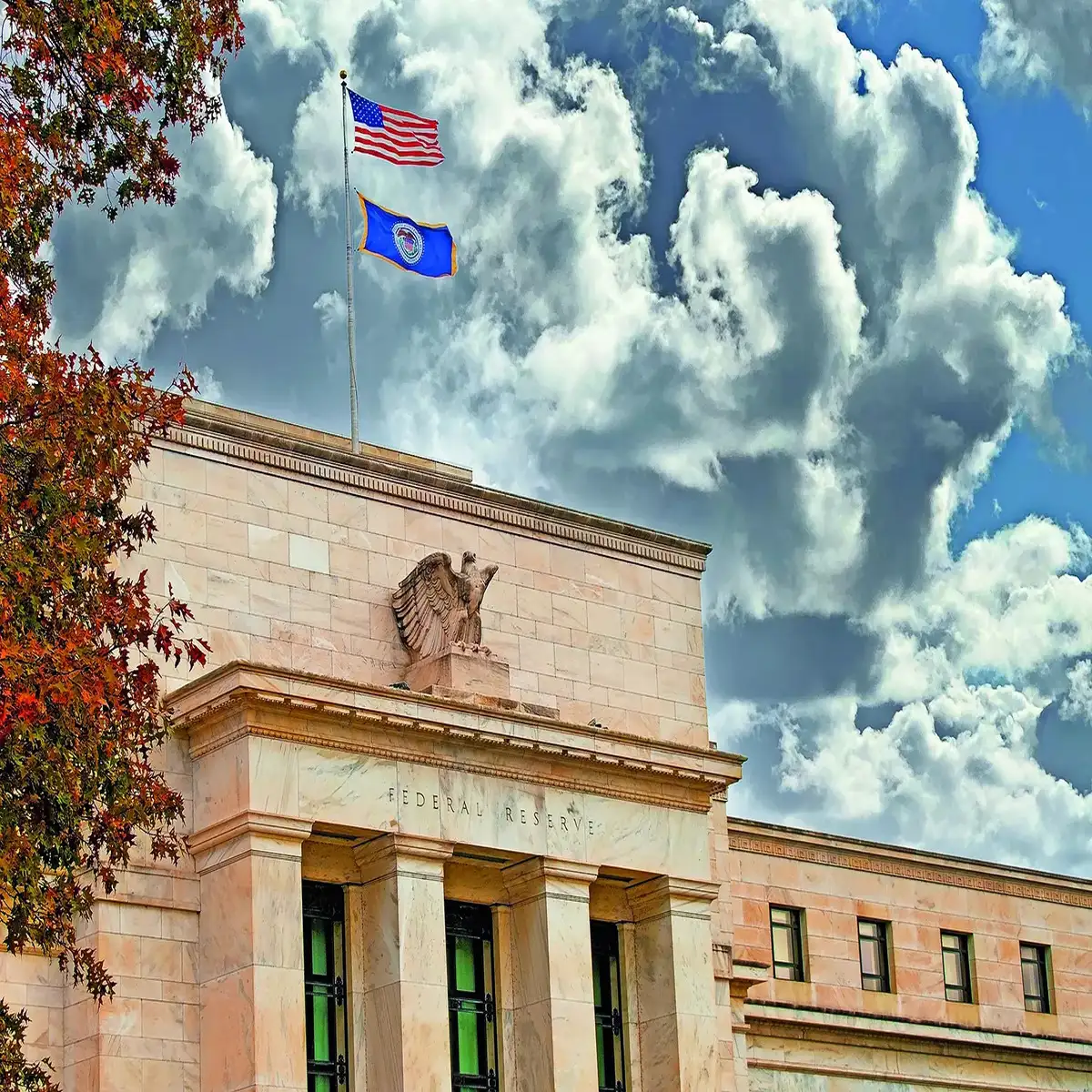
- Central bank signals: Statements from the Federal Reserve and other major banks could guide investor behavior.
For now, the global bond market sell-off underscores how geopolitical tensions and trade uncertainty can disrupt traditional safe-haven dynamics and reshape investor expectations worldwide.












Leave a Reply