

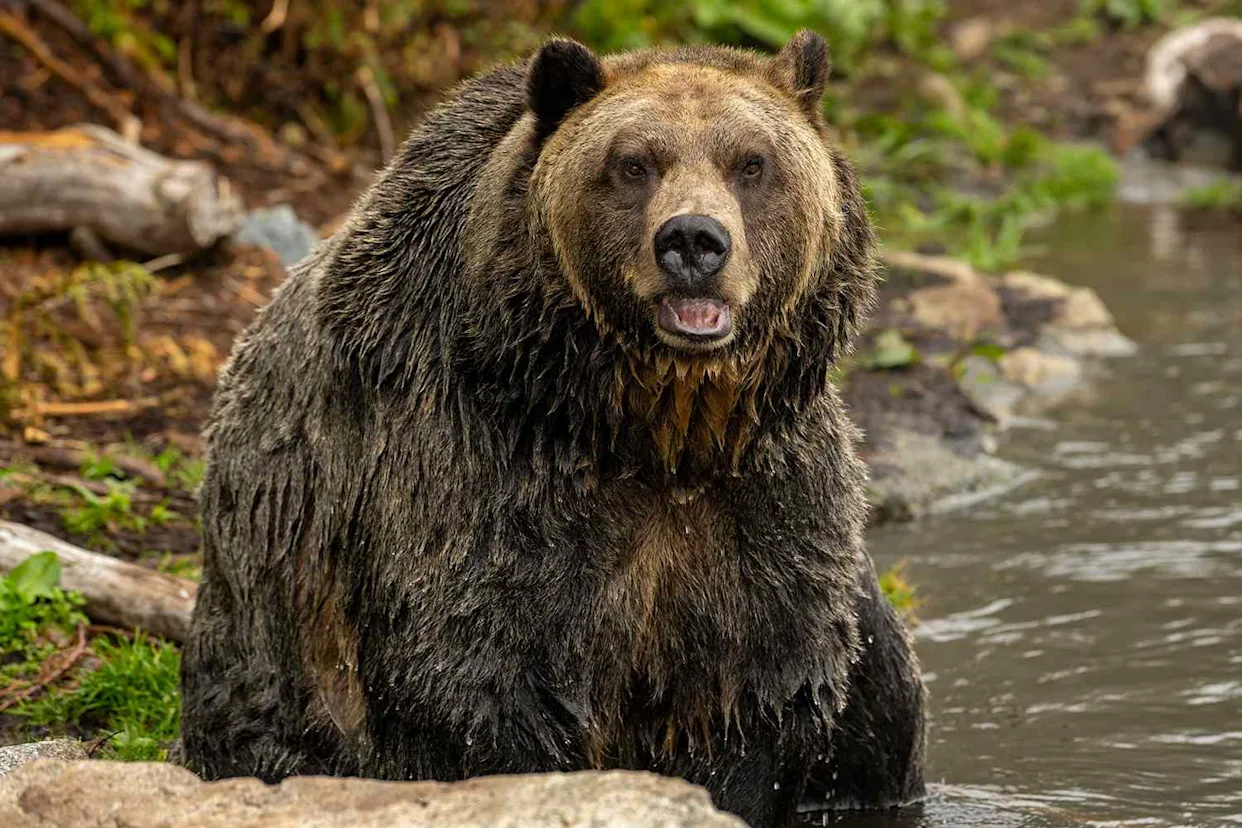
A shockwave of fear hit Bella Coola on Thursday when a grizzly bear ambushed a school outing, injuring 11 people, including young students and their teachers. The incident has highlighted growing tensions between wildlife and human populations in wild parts of British Columbia.
The Attack
The victims belonged to a small group from Acwsalcta School, operated by the Nuxalk Nation, comprised of fourth- and fifth-grade children and several teachers. They were having lunch by a forested river trail when the bear suddenly emerged from the woods, launching a terrifying attack.
According to conservation officers, multiple teachers acted with courage — using bear spray and noise-making devices (“bear bangers”) — to ward off the animal. Despite their efforts, the bear succeeded in inflicting harm before retreating into the forest.
Casualties and Response
Of the 11 people hurt, two are in critical condition and two more sustained serious injuries. The rest were treated on site. Helicopters were dispatched to transport the most severely wounded to larger medical facilities.
A parent whose child was present described the horror: her 10-year-old son was so close that he said he could feel the bear’s fur as it passed. The emotional toll on the children and staff has been profound, and the school has immediately suspended classes while support is organized.
Ongoing Search and Warnings
Conservation officers, along with other forest authorities, have launched a manhunt to locate the bear, deploying traps and motion-activated cameras in the area. Officials believe the animal may have been injured previously, which could explain its unusually aggressive behavior.
Meanwhile, local leaders – including First Nation officials – have urged the public to stay indoors and avoid recreating in the forested zones near the attack site. Armed officers and conservation agents remain on high alert, warning that the bear is still at large.
Broader Context: Rising Bear-Human Conflicts
Wildlife experts say this incident is not isolated. The B.C. Wildlife Federation has sounded the alarm over a rise in grizzly bear encounters. According to their data, calls reporting bear conflicts nearly doubled since the province ended its sanctioned grizzly hunting, suggesting that fewer bears are being managed and more are learning to venture into human areas.
In the federation’s view, removing hunting pressure has contributed to a growing population of bears that may exhibit risky behavior — especially bears that have learned dangerous patterns.
Community Trauma and Institutional Response
The Nuxalk Nation has expressed deep concern for its children, staff, and families, affirming that emotional and medical support is being provided. A youth center has been opened to give counseling, and traditional healing practices are being offered alongside more conventional care.
British Columbia’s government officials have also weighed in. The province’s Premier praised the bravery of the teachers and pledged coordination between wildlife agencies and First Nation leadership. Meanwhile, environmental ministers have reiterated safety protocols and promised to step up efforts to prevent similar attacks.
What Lies Ahead
Authorities face a complex challenge: capturing a potentially wounded and highly dangerous bear in rugged terrain, while ensuring public safety. At the same time, the incident raises urgent questions about wildlife management policies in the province.
Experts warn that without science-based strategies to coexist with grizzly populations, such confrontations may become more common. They call for:
- More robust monitoring of bear movements
- Expanded use of early-warning systems near recreational and school zones
- Increased community education on how to behave in bear country
- Reconsideration of long-term wildlife management policies that balance conservation and public safety
This attack has left a community shaken — not only by the physical harm done but by the brutal reminder that in regions wild and remote, the boundary between human life and nature’s raw power remains fragile.















Leave a Reply