

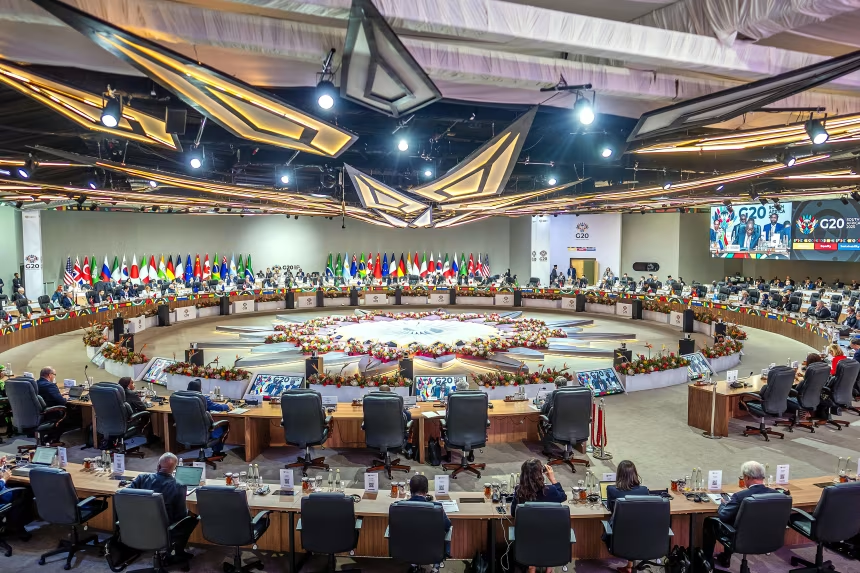
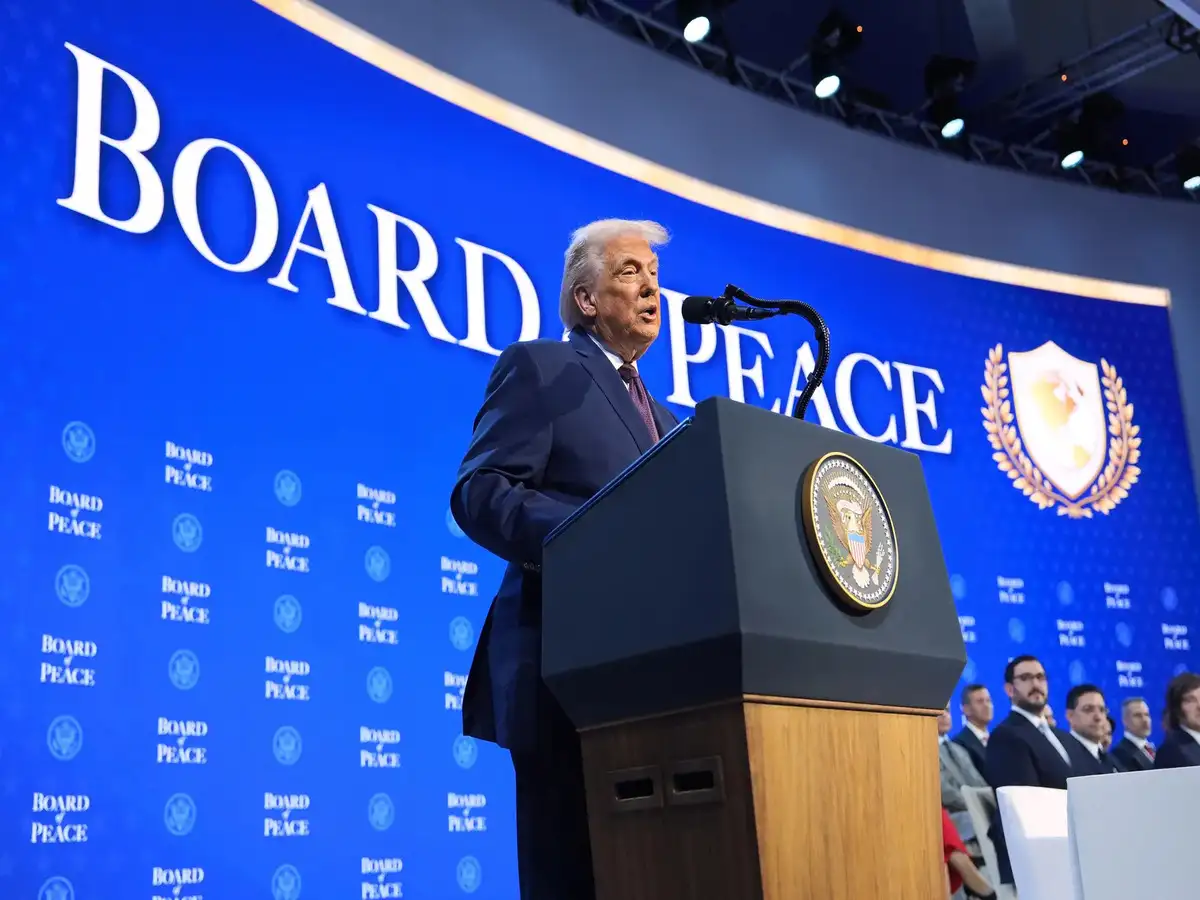
Johannesburg — The 2025 G20 summit, held for the first time on African soil, concluded amid diplomatic fireworks as the United States, under President Donald Trump, staged a high-profile boycott. The absence of a full U.S. delegation at the closing proved to be one of the most symbolic moments of the summit.
South African President Cyril Ramaphosa banged the gavel to officially close the meeting — a traditional gesture — but there was no one from the U.S. to receive the ceremonial handover. Trump’s administration had originally refused to send senior officials, sparking criticism from host country leaders and raising questions about the summit’s legitimacy.
The boycott was rooted in Trump’s long-standing accusations that South Africa mistreats its white Afrikaner population. These claims, made loudly on social media, have been broadly rejected by Pretoria. The U.S. skepticism toward the summit grew deeper as South Africa pushed forward with its G20 agenda, centered on issues often aligned with the Global South: climate change, debt sustainability for poorer nations, and more equitable development.
Despite U.S. objections, the summit successfully adopted a comprehensive declaration on its first day — a break with tradition, since such communiqués are normally released at the end. The 122-point declaration underscored a unified commitment among most G20 nations to tackle global inequality, support green energy transitions, and help countries hit hard by climate-related disasters.
Ramaphosa framed the summit’s outcome as a diplomatic win, saying that South Africa used its presidency not just to host a gathering of major economies, but to elevate the voices of developing nations. He pointed out that excluding the U.S. from the final declaration did not prevent consensus among the other members, reinforcing his broader message that geopolitical cooperation must include historically marginalized regions.
From the U.S. side, there was a late-hour reversal: according to Ramaphosa, Washington signaled a “change of mind” and expressed a desire to engage in the summit after all. But by then, the window for full participation had effectively closed. South African officials expressed frustration with what they called “boycott politics” that undermines multilateralism.
Analysts say the summit’s unfolding sends a dual message: first, that the G20 remains a vital platform for developing world priorities; and second, that global power structures are evolving. The fact that one of the world’s largest economies stayed away underscores a growing rift in multilateral cooperation — even as other nations stepped in to reaffirm their commitment to shared global challenges.
The failure to hand over the G20 presidency in the usual way to a U.S. representative may have been symbolic, but it spotlighted deeper tensions. For South Africa, it was a moment to assert influence. For the U.S., it raised serious questions about its engagement with an increasingly multipolar world.







Leave a Reply