

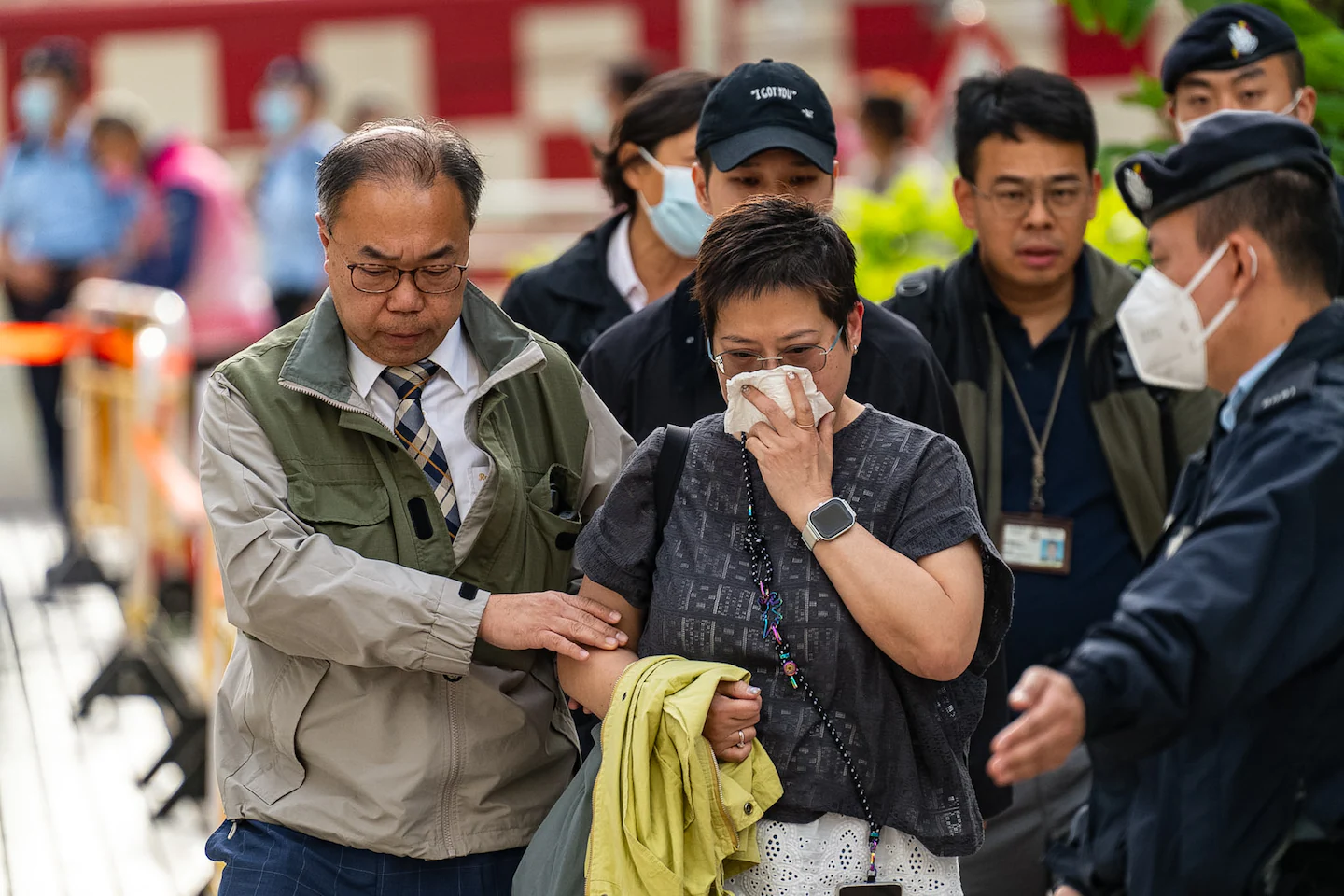
Hong Kong is reeling from one of its worst residential disasters in recent history after a devastating fire tore through a densely populated apartment block earlier this week. The tragedy, which left dozens dead and many more injured, has triggered widespread public anger and renewed scrutiny of the city’s emergency preparedness, building safety standards, and governance — all unfolding just days before Hong Kong heads into local elections.
A Blaze That Became a Citywide Trauma
The fire began in the early hours of the morning inside a high-rise apartment tower located in a tightly packed urban district. Witnesses reported seeing thick, black smoke pouring from the building’s mid-level floors as residents rushed to escape. Many became trapped in corridors and stairwells as the flames spread rapidly, fueled by aging infrastructure and cluttered common areas.
Firefighters battled the inferno for hours, navigating intense heat, collapsing ceilings, and near-zero visibility. Rescue teams carried survivors to safety, some badly burned and others suffering from severe smoke inhalation. By the time the blaze was brought under control, the extent of human loss was painfully clear.
Residents Say Warnings Never Came
In the aftermath, survivors recounted harrowing stories: fire alarms that failed to sound, emergency exits that were blocked or poorly marked, and evacuation routes that were too narrow to handle the chaos. Several residents said they only realized the building was on fire after hearing screams or seeing flames through their windows.
For many citizens, these testimonies underscored long-standing concerns about neglected building maintenance and lax oversight.
Authorities Face Scrutiny
Government officials expressed condolences and pledged a full investigation. Yet public frustration is growing. Critics argue that chronic neglect of older residential buildings, insufficient fire-safety upgrades, and slow policy responses have contributed to a disaster that could have been prevented.
Housing advocates have long warned about the risks posed by aging tower blocks, many of which house low-income families, the elderly, and new immigrants. These warnings, residents say, were not taken seriously enough.
Political Tensions Rise Before Elections
The timing of the tragedy adds another layer of complexity. Hong Kong is preparing for tightly controlled district elections, the first to take place under revamped rules that drastically restrict opposition participation. The fire has become an unexpected flashpoint, intensifying debates about leadership accountability and government responsiveness.
Some community groups accuse authorities of prioritizing political restructuring over essential public safety improvements. Others argue that the disaster is a stark reminder of long-standing structural issues that transcend politics.
A City in Mourning — and Demanding Answers
Vigils have sprung up across the city as residents honor the victims. Volunteers are gathering donations, providing temporary shelter, and offering emotional support to displaced families. At the same time, pressure is mounting for decisive action: clearer safety standards, stronger building inspections, and better emergency preparedness.
For many Hong Kongers, the fire is not just a tragedy — it is a breaking point.
Looking Ahead
As the city grieves, it also confronts deep systemic questions. How many other buildings are at risk? Why were warnings ignored? And will the upcoming elections bring meaningful change or reaffirm the status quo?
The apartment fire has become more than a catastrophic event; it is now a symbol of the broader challenges facing Hong Kong — a moment of reckoning that has shaken public confidence and reshaped the political conversation.










Leave a Reply