

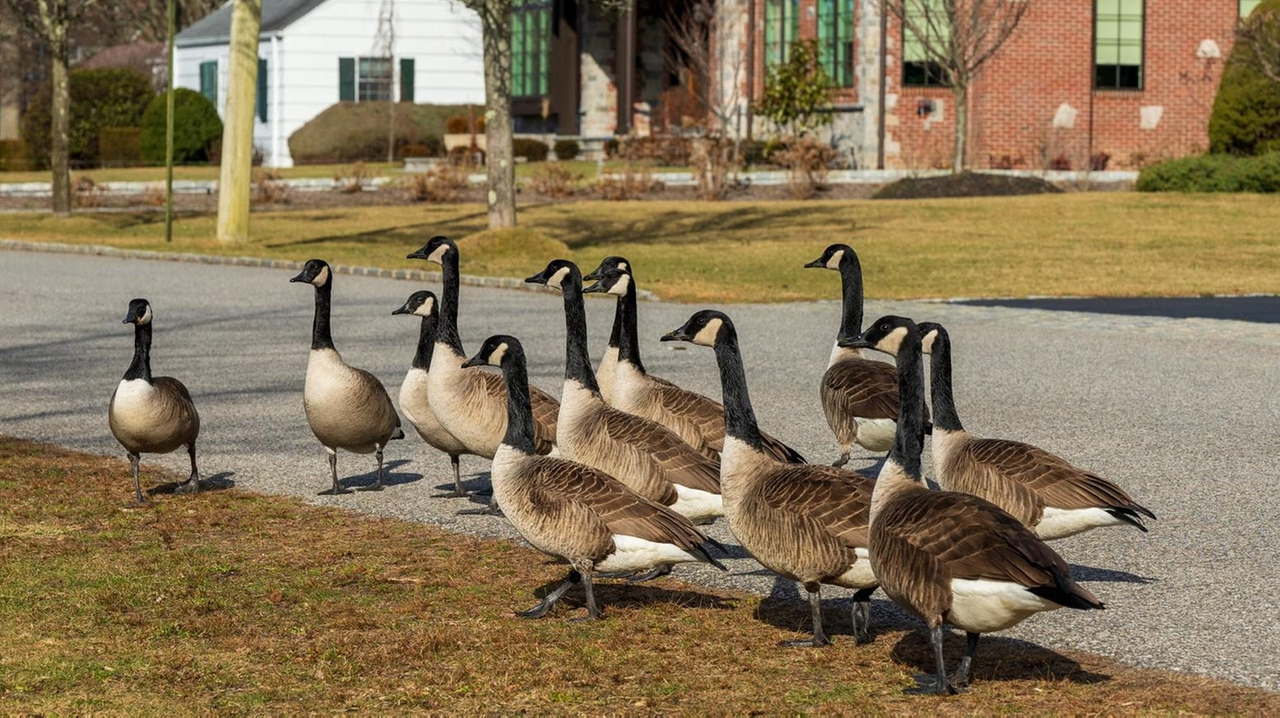
Officials in Huntington, Long Island, have begun testing a group of dead geese found in Heckscher Park for avian influenza, commonly known as bird flu. The discovery has raised concerns about the health of local wildlife and the potential risk to domestic birds in the area.
Investigation Underway
Earlier this month, several Canadian geese were found deceased in and around the park, prompting the Town of Huntington to contact wildlife and environmental authorities. Samples from the birds have been sent to laboratories for analysis to determine if avian influenza caused the deaths. Testing for bird flu involves detailed screening to detect the presence of highly pathogenic virus strains, which can affect both wild and domestic birds.
Understanding Bird Flu
Avian influenza is caused by type A influenza viruses that naturally circulate among wild waterfowl such as ducks and geese. While many infected wild birds show no symptoms, some highly pathogenic strains can lead to rapid illness and death. The virus spreads primarily through contact with infected birds or contaminated materials, including feces, saliva, and nasal secretions.
Although bird flu is primarily a concern for birds, certain strains have occasionally infected mammals, including humans, usually through direct contact with infected birds. Experts emphasize that casual contact with healthy birds poses minimal risk, but handling sick or dead birds should be avoided.
Safety Precautions for Residents
Local authorities urge residents to refrain from touching any dead or sick birds. If contact occurs, individuals should wash their hands thoroughly and monitor for flu-like symptoms. Pet owners are advised to keep animals away from wildlife to reduce the risk of exposure. Citizens are also encouraged to report sightings of sick or dead birds to town or wildlife officials, helping to track potential outbreaks and protect the community.
Monitoring and Broader Implications
New York State has been actively monitoring avian influenza in wild bird populations, and outbreaks have been reported periodically across the region. Wildlife and public health officials coordinate surveillance and response efforts, emphasizing both caution and the low likelihood of human infection. Maintaining vigilance ensures that potential outbreaks can be detected early and managed effectively.
Next Steps
Laboratory testing of the deceased geese is ongoing, and results are expected in the coming weeks. Meanwhile, authorities continue to monitor local wildlife and advise the public to follow safety guidelines. The incident underscores the importance of ongoing surveillance and community awareness in maintaining the health of both wildlife and humans.
















Leave a Reply