

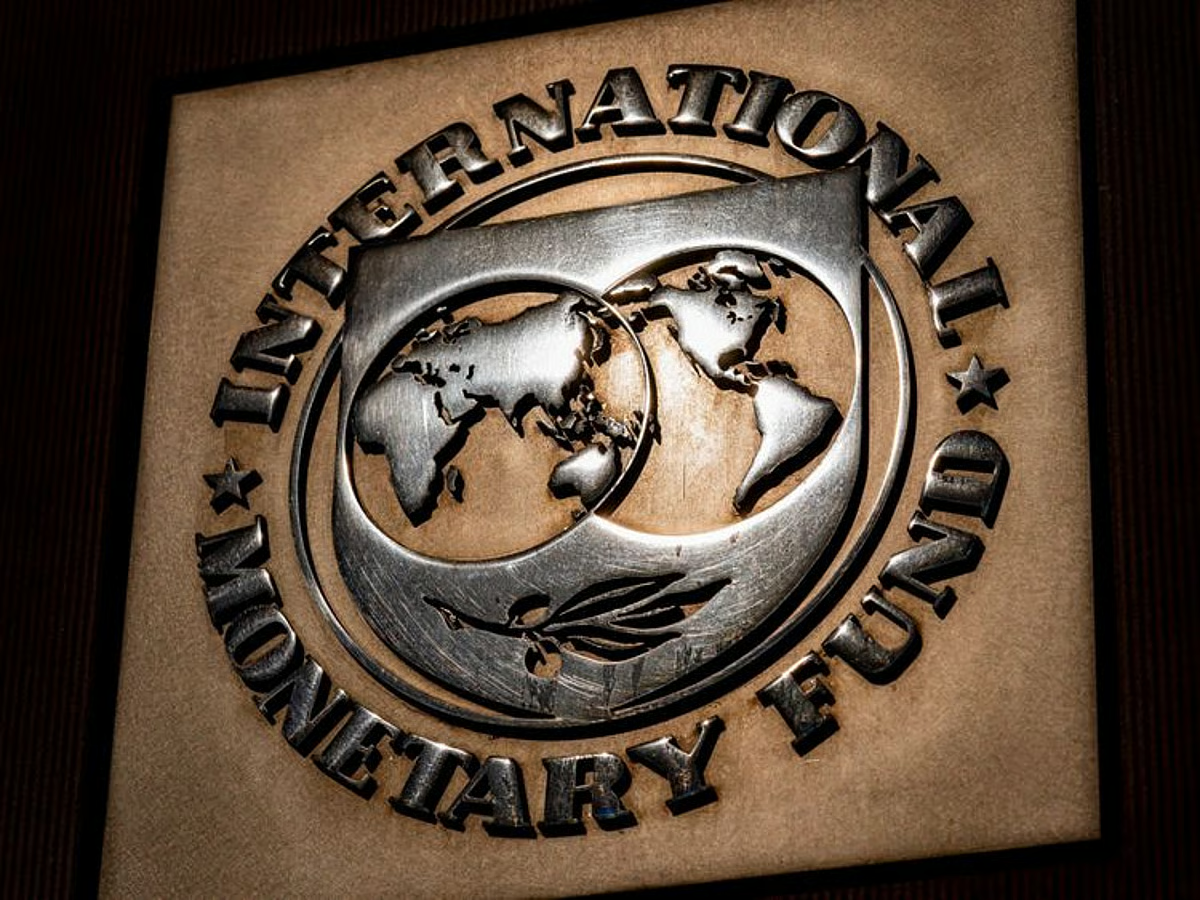
The International Monetary Fund (IMF) has released its latest World Economic Outlook, presenting a cautiously optimistic forecast for the global economy in 2026. According to the report, worldwide economic growth is expected to hold at around 3.3 percent, reflecting resilience despite trade tensions, geopolitical uncertainty, and lingering pandemic-era disruptions.
The IMF attributes the steady outlook in large part to investment in technology, particularly artificial intelligence (AI), which is stimulating productivity and creating new business opportunities. Spending on AI infrastructure, data centres, and digital platforms has helped offset slower growth in traditional sectors and provided a cushion against ongoing global economic uncertainties.
Regional Highlights
Economic performance is expected to vary by region:
- United States: Growth is projected at 2.4 percent, supported by robust technology investment and strong consumer spending.
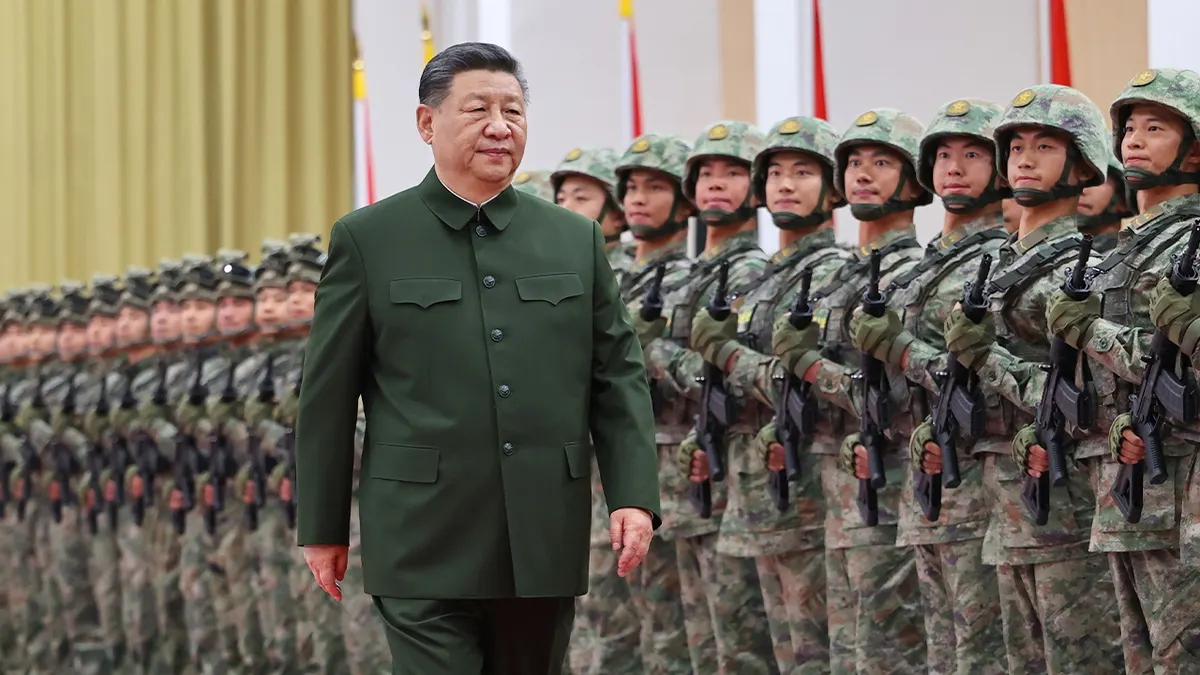
- China: Growth is expected at 4.5 percent, aided by expanding exports and a gradual shift toward higher-value industries.
- India: Emerging as one of the fastest-growing major economies, India is projected to grow by approximately 7 percent, reflecting robust domestic demand and sustained investment.
- Europe and Japan: Advanced economies are expected to maintain modest growth, with structural challenges and demographic pressures limiting stronger expansion.
Emerging markets and developing economies are anticipated to outperform advanced economies, contributing to the overall global expansion and supporting international trade flows.
Inflation and Monetary Policy Outlook
The IMF expects global inflation to ease gradually in 2026. While supply chain disruptions and commodity price volatility remain concerns, monetary authorities are anticipated to continue adjusting policy measures to maintain price stability. Central bank actions will be closely monitored, as changes in interest rates and fiscal policies could significantly impact investment and consumer spending patterns.
Key Risks to the Outlook
Despite the generally positive forecast, the IMF highlighted several downside risks that could disrupt growth:
- Overreliance on AI and Technology Gains: If productivity improvements fail to materialize as expected, markets could experience corrections, weakening investment sentiment.
- Geopolitical and Trade Tensions: Renewed trade disputes or geopolitical conflicts could disrupt supply chains, dampen business confidence, and slow global trade.
- Policy Uncertainty: Abrupt shifts in fiscal or monetary policy in major economies could increase volatility and hinder economic stability.
The IMF emphasized that maintaining global growth will require careful coordination of economic policies, continued structural reforms, and attention to long-term fiscal sustainability.
Policy Recommendations
To sustain the growth trajectory, the IMF recommends that governments focus on:
- Encouraging innovation and investment in high-productivity sectors.
- Strengthening economic resilience through targeted fiscal policies and social safety nets.
- Maintaining stable, predictable monetary and trade policies to reduce uncertainty.
- Fostering cooperation among countries to address shared risks, including climate challenges and global market volatility.
Conclusion
The IMF’s outlook for 2026 suggests a global economy that is resilient but fragile, buoyed by technological innovation and adaptive business strategies. While growth is steady, policymakers are urged to remain vigilant in addressing inflation, trade disruptions, and geopolitical challenges. Sustainable and inclusive growth will depend on coordinated policy responses and ongoing investment in innovation and human capital.












Leave a Reply