

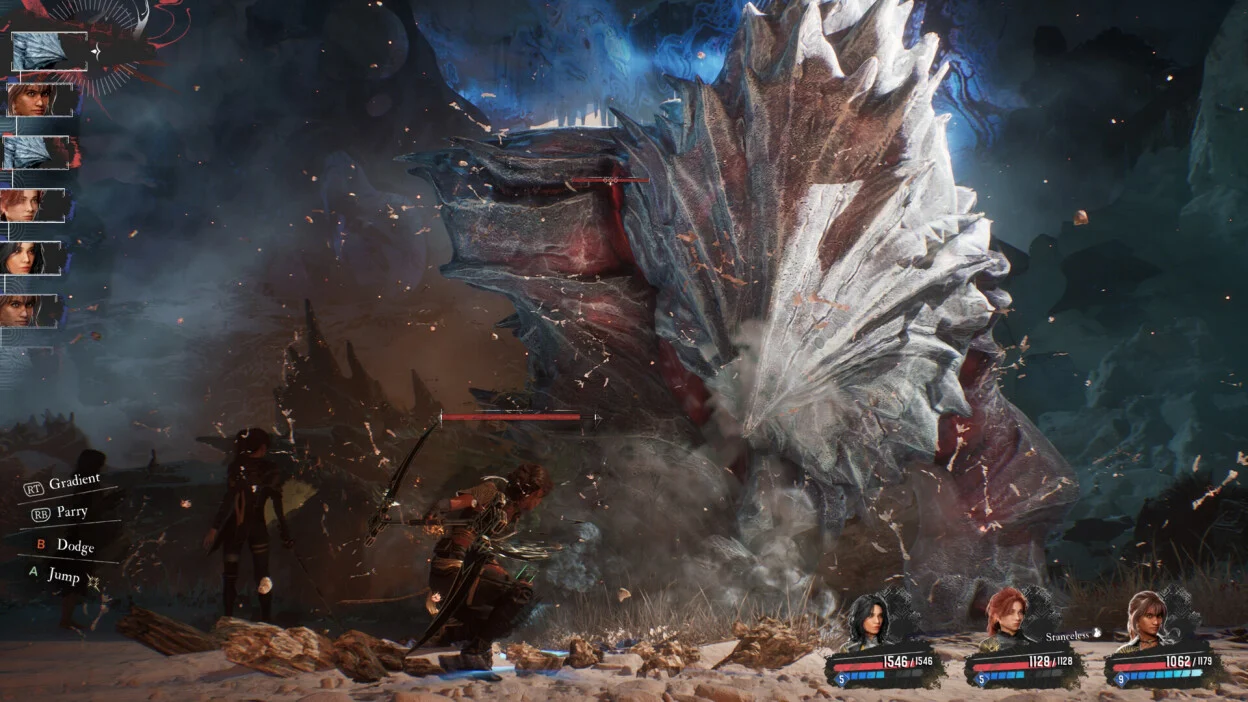
The acclaimed indie title Clair Obscur: Expedition 33 has been stripped of its Indie Game Awards honor after organizers determined that generative AI tools were used in ways that violated the competition’s rules. The decision has reignited debate over the role of artificial intelligence in creative industries and the ethical boundaries of AI-assisted game development.
According to the awards committee, the use of AI in the game went beyond acceptable assistance and extended into critical creative elements that were expected to be the work of human developers. While AI tools are increasingly common for tasks like procedural asset generation or concept sketches, the committee emphasized that entries must reflect original human artistry to qualify for the prize.
Clair Obscur: Expedition 33, which initially wowed judges with its striking visuals, narrative depth, and innovative gameplay mechanics, was previously considered a frontrunner in the competition. Developers of the game acknowledged employing AI tools for certain aspects of environment design and texture creation but argued that the core narrative, gameplay systems, and character development were entirely their own.
The controversy highlights growing tensions in the indie game community over the use of generative AI. Advocates say AI can democratize game development, enabling smaller teams to create complex visuals and worlds without massive budgets. Critics, however, argue that relying too heavily on AI undermines originality, erodes the value of human creativity, and risks unfair advantages in competitions.
This incident mirrors broader discussions in the entertainment and art sectors, where AI-generated content—from music to visual art—is raising questions about authorship, ownership, and ethical standards. Award bodies, galleries, and publishers are increasingly being forced to define where AI assistance crosses the line into disqualification territory.
The Indie Game Awards’ decision has been met with mixed reactions online. Some developers praise the enforcement of standards, seeing it as necessary to protect the integrity of the competition. Others question whether the line between acceptable and unacceptable AI use is clearly defined, noting that the technology is becoming an indispensable part of modern creative workflows.
For Clair Obscur: Expedition 33, the revocation represents a major reputational setback, though the game’s commercial success and player base remain unaffected. Many fans continue to celebrate its artistry and gameplay innovations, arguing that the AI debate should not overshadow the experience delivered to players.
The episode underscores the urgent need for industry-wide guidelines on AI in creative fields. As generative tools become more sophisticated and accessible, competitions, publishers, and audiences alike will have to grapple with the evolving definitions of creativity, authorship, and fair play.















Leave a Reply