

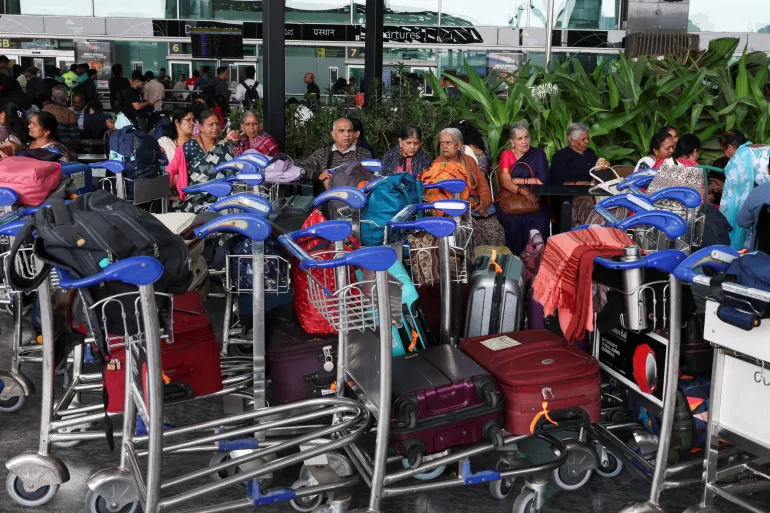
India’s biggest airline, IndiGo, is facing intense backlash after canceling hundreds of flights nationwide, leaving thousands of passengers stranded and sparking a wave of frustration across airports. The disruptions, which began earlier this week, have continued to ripple across the country as the carrier struggles to stabilize its operations.
According to industry officials and aviation analysts, the chaos stems from a combination of acute pilot shortages, unscheduled crew sickness, and tight aircraft turnaround schedules—a perfect storm hitting the airline at the peak of travel demand.
IndiGo, which operates more than 2,000 flights a day, has been functioning at near-maximum capacity for months due to soaring domestic air travel. While the airline has rapidly expanded its fleet, insiders say its staffing levels have not kept pace, especially among pilots trained to operate its growing number of Airbus A320 and A321neo aircraft.
Reports suggest a significant number of pilots simultaneously called in sick, creating last-minute scheduling gaps that the airline’s rostering system could not absorb. Some aviation unions claim the absences are a silent protest against long working hours and insufficient rest periods, though IndiGo has not confirmed any such labor action.
To prevent further operational breakdown, the airline has resorted to large-scale cancellations and frequency cuts across key routes—including Delhi, Mumbai, Bengaluru, Hyderabad, and Kolkata. Passengers have described long queues, scarce rebooking options, and inadequate communication from the airline during the disruptions.
The Directorate General of Civil Aviation (DGCA) has asked IndiGo for a detailed report and is monitoring the situation closely. Officials say they may require the airline to review crew management practices, rest policies, and contingency planning to avoid a repeat of this nationwide disruption.
IndiGo issued a statement acknowledging the cancellations and promising to normalize operations “as quickly as possible.” The airline said affected passengers would be offered alternative flights or refunds, though many travelers argue the compensation falls short of covering the real-world impact of missed meetings, travel plans, and family emergencies.
For now, experts warn that the ripple effects may continue for several days. With travel demand expected to remain high throughout the season, the crisis has exposed the vulnerabilities of even the country’s most reliable airline—raising broader questions about staffing, workload, and operational resilience in India’s rapidly growing aviation sector.

















Leave a Reply