

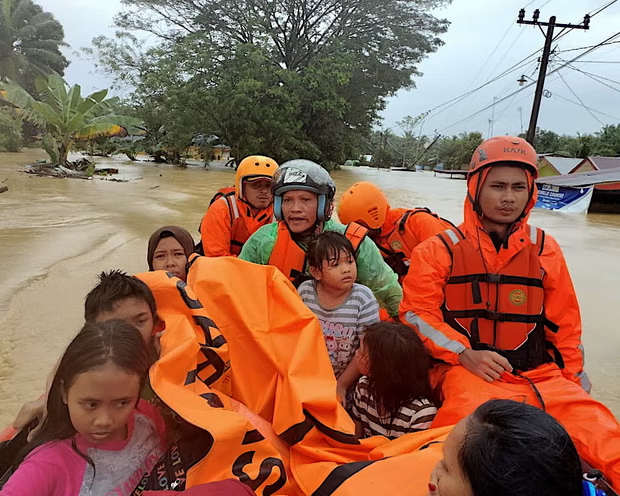
Indonesia is reeling from one of the deadliest natural disasters in recent years as flooding caused by Cyclone Tirma has claimed at least 303 lives, with hundreds more injured and thousands displaced. The disaster has left large swaths of eastern and central islands submerged, triggering a massive emergency response across the country.
Cyclone Tirma’s Destructive Path
Cyclone Tirma made landfall earlier this week, unleashing torrential rain and high winds that overwhelmed rivers and drainage systems. Entire villages were inundated, with water levels reportedly rising over rooftops in some areas. Landslides triggered by the heavy rainfall have further compounded the devastation, cutting off access to remote communities and hampering rescue operations.
Officials report that over 1.2 million people have been affected, with at least 200,000 forced into temporary shelters. Entire roads and bridges have been destroyed, isolating towns and slowing aid delivery.
Search, Rescue, and Relief Efforts Underway
The Indonesian National Disaster Management Agency (BNPB) has mobilized thousands of personnel, including military units, to conduct rescue operations and distribute essential supplies. Helicopters are being used to airlift stranded residents, while emergency teams work around the clock to deliver food, clean water, and medical aid.
Despite these efforts, authorities warn that the numbers of dead and missing may continue to rise, as several areas remain inaccessible due to ongoing flooding and landslides.
A Humanitarian Crisis Unfolds
Families have lost homes, livelihoods, and personal belongings. Many displaced residents are sheltering in schools, mosques, and community centers, relying on volunteers for basic necessities. Health officials are also concerned about potential outbreaks of waterborne diseases in the flood-affected regions.
Local and international humanitarian agencies have called for urgent support, emphasizing the need for both immediate relief and long-term recovery programs.
Government Response and Warnings
The government has pledged swift action to rebuild infrastructure and provide aid, while urging residents in flood-prone areas to evacuate and follow official instructions. Meteorologists warn that more heavy rains could follow as the cyclone system lingers over the region, highlighting the ongoing risk to vulnerable communities.
Cyclone Tirma’s impact serves as a stark reminder of Indonesia’s vulnerability to extreme weather events, intensified by climate change and deforestation, which reduce natural flood defenses.













Leave a Reply