

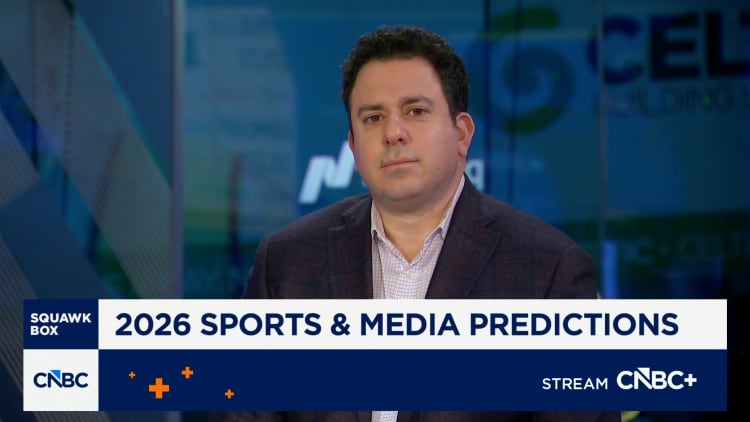
As the media industry stares down another year of disruption, a group of senior executives—speaking anonymously to protect their candor—are offering unusually blunt forecasts about what 2026 may bring. Their predictions sketch a future defined by consolidation, artificial intelligence, shrinking newsrooms, and a decisive break from business models that once seemed unshakable.
Consolidation Will Accelerate, Not Slow
One of the clearest themes is consolidation. Executives across television, digital publishing, and streaming say the era of mid-sized, independent media companies is rapidly closing. Rising production costs, declining ad revenue, and investor impatience are expected to push more companies into mergers or strategic partnerships.
Several executives predict that by 2026, a handful of global media groups will dominate distribution, while smaller outlets either specialize deeply or disappear altogether. “Scale is no longer optional,” one executive said. “It’s survival.”
AI Moves From Tool to Gatekeeper
Artificial intelligence is expected to move beyond automation and analytics into decision-making roles that once belonged exclusively to humans. Executives foresee AI systems determining headlines, pricing subscriptions, tailoring content to individual users, and even deciding which stories are worth pursuing.
While some see efficiency gains, others warn of a creative cost. There is growing concern that reliance on algorithms could flatten originality, prioritize engagement over substance, and further blur the line between journalism and content marketing.
The Newsroom Shrinks, the Brand Expands
Anonymous leaders across legacy media predict continued newsroom cuts, even at profitable companies. Executives argue that audiences increasingly consume news through personalities, newsletters, podcasts, and social feeds rather than traditional institutional brands.
As a result, resources are expected to shift away from large reporting teams toward high-profile journalists, creators, and commentators who can build loyal audiences across platforms. “In 2026, the journalist is the product,” one executive remarked.
Advertising Loses Its Crown
Several executives believe 2026 will mark a turning point where advertising is no longer the primary revenue driver for most media organizations. With ad budgets fragmenting across platforms and AI-driven ad placement reducing margins, companies are expected to rely more heavily on subscriptions, licensing, events, and direct audience relationships.
Paywalls are likely to become more dynamic, with pricing adjusted in real time based on user behavior and perceived willingness to pay.
Streaming Faces a Reality Check
In television and film, executives predict a cooling of the streaming wars. Rather than endless growth, platforms are expected to focus on profitability, smaller content slates, and fewer big-budget risks.
Some insiders forecast the return of bundled offerings, combining news, entertainment, and sports under a single subscription—effectively recreating cable television in digital form.
Trust Becomes a Competitive Advantage
Perhaps the most striking prediction is that trust, long discussed but rarely measured, will become a defining business asset. With deepfake videos, AI-generated news, and misinformation proliferating, executives say audiences will gravitate toward outlets that can prove credibility and transparency.
“Truth will be a premium product,” one executive said, suggesting that verified reporting and human accountability may become selling points rather than assumed standards.
A Defining Year Ahead
Taken together, these anonymous predictions paint 2026 as a year when the media industry stops experimenting and starts choosing. Companies will either adapt to a leaner, more technologically driven reality—or be left behind.
For audiences, the result may be fewer outlets, more personalization, and sharper lines between trusted journalism and algorithmically generated noise. For media leaders, the message is clear: the next year won’t just test business models—it will test the very identity of modern media.









Leave a Reply