


Tel Aviv — After more than a decade of uncertainty, Israel has finally recovered the remains of Hadar Goldin, an army officer killed during the 2014 Gaza conflict. The return of his body, handed over through international mediation, marks the end of an emotional and painful chapter that has haunted both his family and the nation for years.
Goldin, a 23-year-old lieutenant in the Israel Defense Forces (IDF), was killed during a ceasefire violation in the southern Gaza city of Rafah in August 2014. His unit was ambushed by Hamas fighters, and his body was taken into a tunnel network beneath the city. For years, his parents and supporters campaigned tirelessly for his return, making his case a symbol of Israel’s promise to never leave a soldier behind.
A Decade-Long Wait for Closure
The announcement of Goldin’s return brought an outpouring of emotion across Israel. His family described the moment as both heartbreaking and healing — a final farewell after years of not knowing. Government officials and military leaders hailed the return as a national moment of unity, reaffirming the long-held military ethos that every fallen soldier must be brought home.
The operation to recover Goldin’s remains was part of a broader ceasefire and prisoner exchange arrangement between Israel and Hamas. The exchange involved the return of multiple hostages and remains, along with the release of Palestinian prisoners. While the details remain confidential, sources confirmed that the handover was facilitated by international humanitarian organizations and took place under strict security conditions.
A Nation Reflects on Sacrifice and Duty
Goldin’s story has resonated deeply in Israeli society for more than a decade. His parents became outspoken advocates for the return of missing soldiers and hostages, often pressing the government to include their son’s case in ceasefire or negotiation talks. Their persistence turned Goldin into a national symbol of endurance and faith.
Military analysts described the event as a moment of collective reflection in a country that continues to live under the shadow of conflict. For many Israelis, Goldin’s return is not only a story of national commitment but also a reminder of the human cost of ongoing wars and the price of security.
The Broader Context
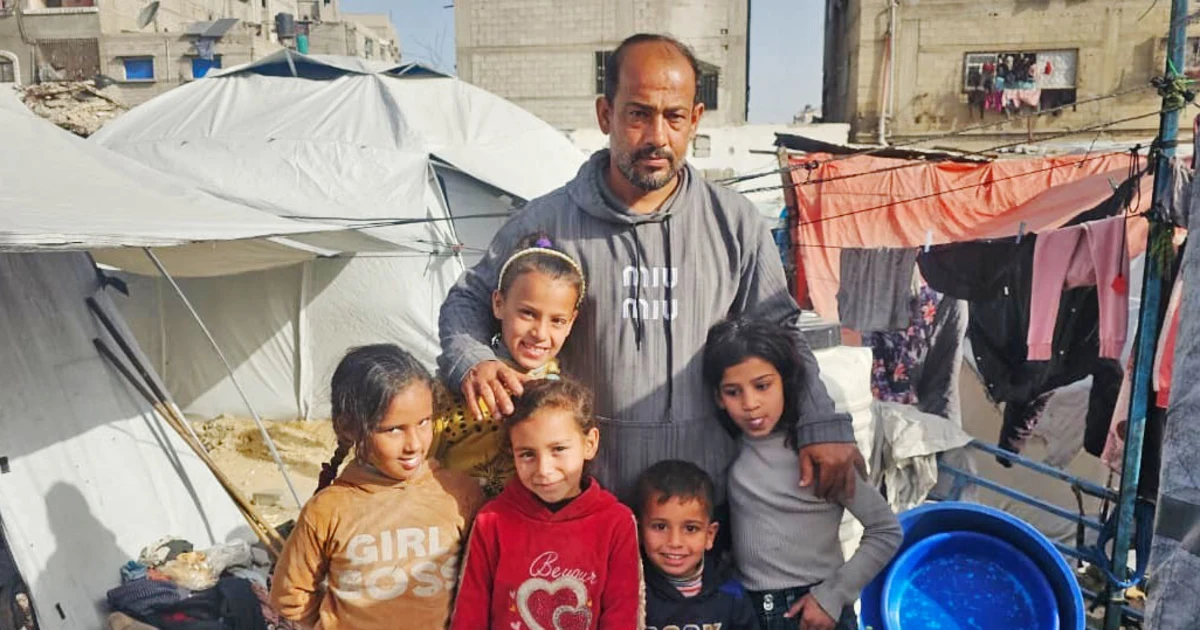
The return comes amid fragile efforts to stabilize the region following years of hostilities. While a temporary ceasefire has reduced active fighting, both sides remain on edge, and humanitarian conditions in Gaza continue to deteriorate. Thousands of families — both Israeli and Palestinian — still wait for news about loved ones missing, detained, or killed in the conflict.
Officials in Jerusalem emphasized that Israel remains committed to recovering the remains of all soldiers and civilians still held in Gaza. They also acknowledged the immense suffering of families who continue to wait for closure.
A Symbol of Hope and Loss
For the Goldin family, the return of their son’s remains closes one chapter of pain but opens another — the long process of healing. Public memorials are being planned, and the nation is expected to honor Goldin’s service with full military rites.
Though the recovery brings comfort to one family, it also highlights the many unresolved wounds left by the conflict. The story of Hadar Goldin — his life, his loss, and now his return — will remain etched in Israel’s collective memory as a powerful symbol of duty, sacrifice, and the enduring quest for peace.











Leave a Reply