

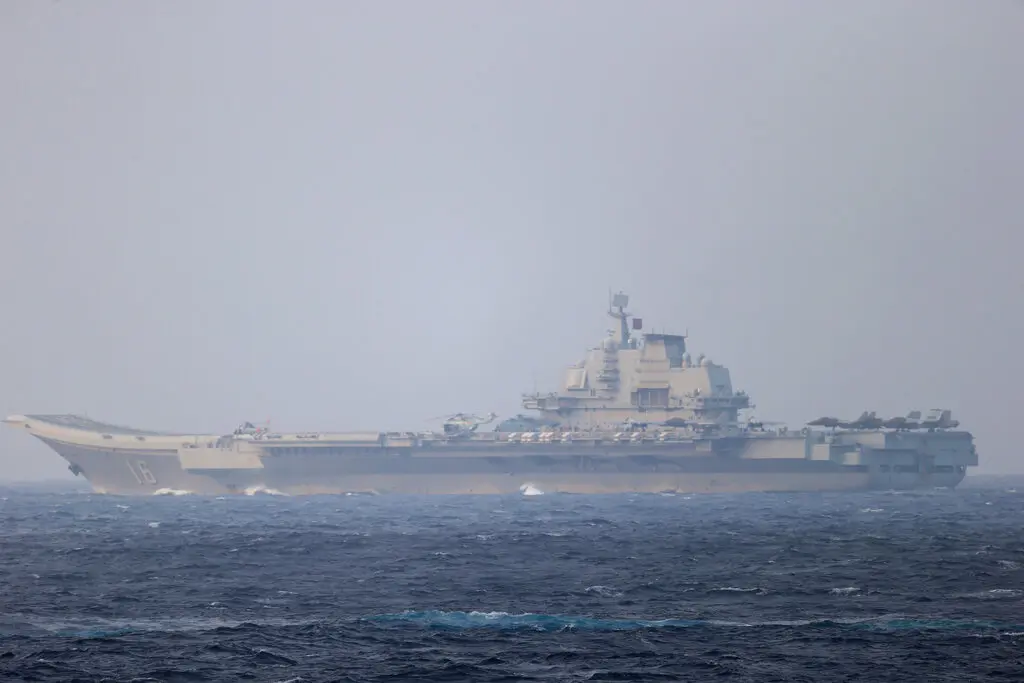
Japan has lodged a strong diplomatic protest against China after Tokyo claimed Chinese fighter jets aimed their fire-control radar at Japanese Air Self-Defense Force aircraft during tense encounters over the western Pacific. The incident marks one of the most serious confrontations between the two nations’ militaries in recent years and has raised fresh concerns over potential miscalculations in an increasingly crowded strategic zone.
According to Japan’s Defense Ministry, the confrontation occurred near Okinawa when Chinese carrier-based J-15 fighters allegedly directed their weapons-guiding radar at Japanese F-15s. Fire-control radar is used moments before engaging a target, and its activation is widely considered a direct threat in military aviation.
Defense officials reported that the radar lock lasted intermittently and forced Japanese pilots to take precautionary maneuvers. Although no missiles were fired and no aircraft were damaged, Tokyo said the action “exceeded the bounds of normal and safe operations” and posed an unacceptable risk to regional security.
China, however, has rejected Japan’s account, accusing Tokyo of distorting the events. Beijing maintains that its jets were conducting “routine training activities” and claims Japanese aircraft approached too closely, prompting defensive monitoring. The two sides have since exchanged formal protests, each blaming the other for escalating tension.
The airspace near Okinawa and the Miyako Strait has become a flashpoint as China expands its naval operations and Japan sharpens its vigilance, especially around Taiwan and disputed maritime zones. Military analysts warn that the proximity of the two forces, coupled with increasingly assertive patrols, heightens the risk of accidental conflict.
The Japanese government stated it will continue to closely monitor Chinese carrier operations and is urging Beijing to take steps to prevent similar incidents. Meanwhile, security experts say this confrontation may intensify discussions among Tokyo’s allies about strengthening regional deterrence and crisis-communication mechanisms.
As both countries harden their positions, the episode underscores a broader shift in the Asia-Pacific power landscape — one where even a brief radar lock can reverberate far beyond the skies above Okinawa.










Leave a Reply