

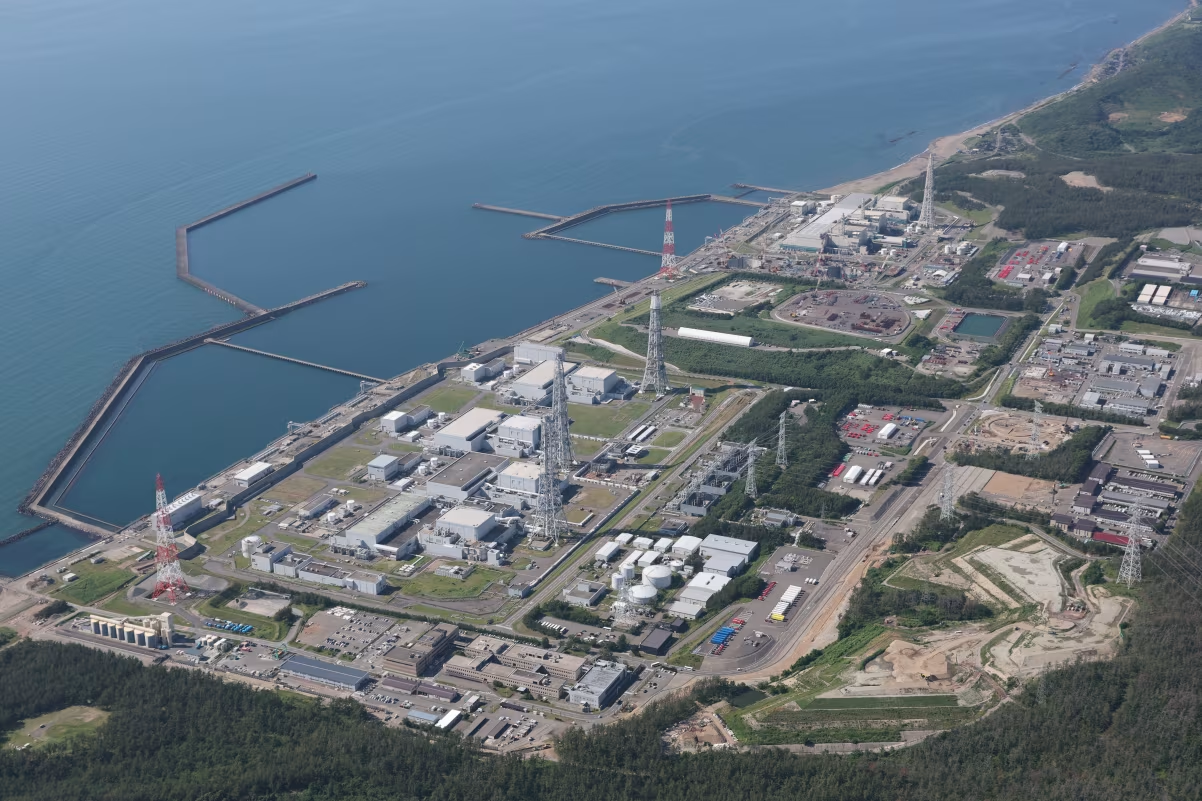
Japan is set to restart the world’s largest nuclear power plant, marking a decisive shift in the country’s energy policy nearly 15 years after the Fukushima nuclear disaster reshaped public opinion and regulatory oversight. The move signals Tokyo’s renewed embrace of nuclear power as it confronts rising energy costs, climate commitments, and concerns over long-term energy security.
The plant, once a cornerstone of Japan’s electricity supply, has remained offline since the 2011 Fukushima Daiichi meltdown triggered a nationwide shutdown of nuclear reactors. In the years that followed, Japan relied heavily on imported fossil fuels, increasing energy prices and carbon emissions while leaving the country vulnerable to global supply disruptions.
Government officials say the restart comes after years of extensive safety upgrades and regulatory reviews. New protective measures include reinforced seawalls, enhanced cooling systems, stricter emergency response protocols, and updated evacuation planning for surrounding communities. Regulators insist the plant now meets some of the most stringent nuclear safety standards in the world.
Supporters argue that reviving the massive facility is essential for stabilizing Japan’s power grid. The plant’s scale means it can supply electricity to millions of households, reducing dependence on coal and liquefied natural gas while helping Japan meet its emissions reduction targets. Business groups have welcomed the decision, citing the need for reliable baseload power to support manufacturing and economic growth.
However, the restart remains deeply controversial. Local residents and anti-nuclear activists have voiced concerns about earthquake risks and the long-term handling of radioactive waste. Memories of Fukushima remain fresh for many, and critics warn that no safety system can fully eliminate the possibility of catastrophic failure in a seismically active country.
Public trust has been further tested by ongoing debates over the disposal of treated radioactive water from Fukushima, as well as broader questions about transparency and accountability in the nuclear industry. Opposition groups say the government is moving too quickly and prioritizing economic pressures over public safety.
Internationally, Japan’s decision is being closely watched. Several countries reconsidering nuclear energy as part of their climate strategies may view the restart as a test case for whether nuclear power can regain public acceptance after a major disaster. Others see it as evidence of a global shift back toward nuclear energy amid growing concerns over energy security.
The restart does not mean a full return to pre-2011 nuclear dependence. Japanese officials emphasize that renewable energy will continue to expand, but acknowledge that nuclear power is once again being positioned as a key pillar of the country’s energy mix.
As the massive plant prepares to come back online, Japan faces a defining moment: balancing the hard lessons of Fukushima with the urgent demands of a changing energy landscape. The outcome may shape not only Japan’s future, but also the global debate over nuclear power in the decades ahead.













Leave a Reply