

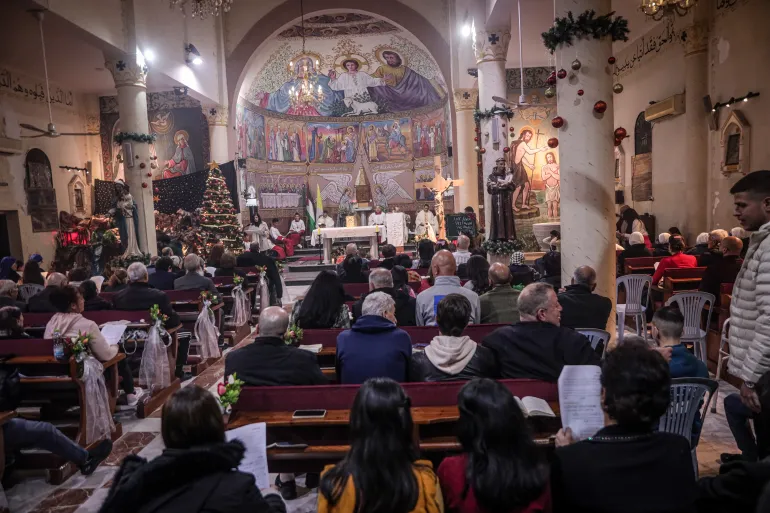
For the first time in two years, Christmas returned to Gaza not as a public celebration, but as a quiet act of resilience. In a territory deeply scarred by conflict, displacement, and loss, the holiday was observed with subdued prayers, flickering candles, and a fragile sense of hope among a small but determined Christian community and their neighbors.
Gaza’s Christian population, now numbering only in the hundreds, marked Christmas amid damaged churches, limited electricity, and ongoing humanitarian hardship. Traditional festivities such as public processions, decorated streets, and large gatherings were absent. Instead, families gathered indoors, sharing modest meals and whispered prayers for peace, safety, and survival.
Church leaders described this Christmas as deeply emotional. After two years without the holiday being openly observed due to intense fighting and insecurity, the simple ability to hold a Christmas service carried powerful meaning. Bells rang softly, hymns were sung without amplification, and congregations prayed not only for their own community, but for all civilians affected by war.
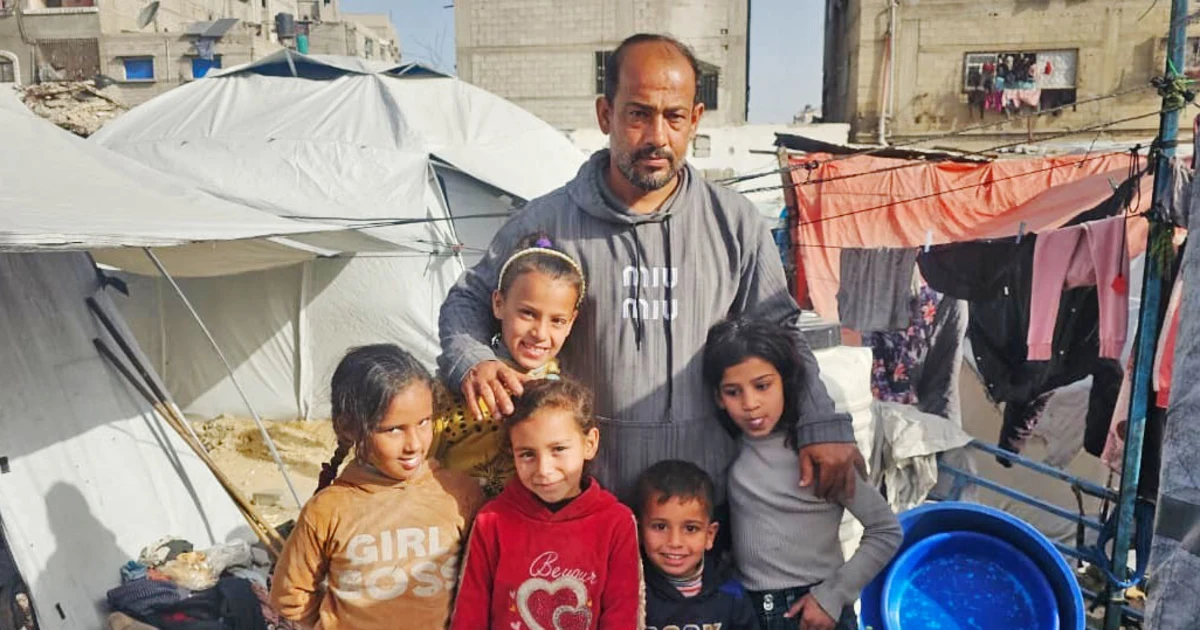
For many residents, Christmas in Gaza was less about celebration and more about endurance. Families who had lost homes or loved ones spoke of clinging to faith as a lifeline. Mothers described teaching children about Christmas through stories rather than decorations, explaining that hope does not disappear even when circumstances are bleak. Candles, rather than lights, became symbols of perseverance in a place where electricity remains unreliable.
Muslim neighbors also shared in the spirit of solidarity, offering greetings and support to Christian families. In Gaza’s tightly knit neighborhoods, shared suffering has blurred religious boundaries, reinforcing a sense of collective survival. Community elders noted that this mutual respect has long been a defining feature of life in Gaza, even during the darkest times.
Humanitarian conditions, however, remain dire. Food shortages, limited medical care, and damaged infrastructure continue to affect daily life. Aid organizations warn that while the resumption of a Christmas observance is emotionally significant, it does not signal a return to normalcy. For many families, the holiday passed with empty chairs at the table and uncertainty about the future.
Children, though, found moments of joy. Handmade ornaments crafted from scraps, shared sweets, and small gifts provided by local charities offered brief escapes from the reality around them. Parents said these moments were essential, helping young minds hold onto normalcy in an environment shaped by trauma.
Church leaders used their Christmas messages to call for peace, justice, and protection for civilians of all backgrounds. They emphasized that the essence of Christmas — hope born in hardship — resonates deeply in Gaza. “This is not a Christmas of abundance,” one clergyman said, “but it is a Christmas of faith.”
As night fell, candles illuminated windows and doorways across Christian homes, small points of light against the darkness. For Gaza, this first Christmas in two years was not about celebration in the traditional sense. It was a testament to survival, dignity, and the enduring belief that even amid destruction, hope can still be born.










Leave a Reply