

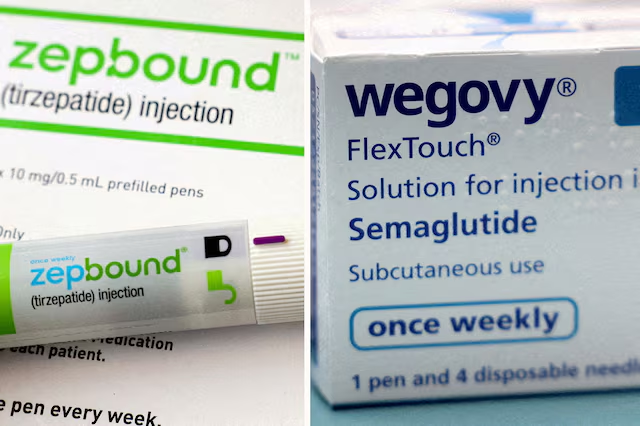
Recent price reductions on popular weight‑loss medications in the United States have made these treatments far more accessible to millions of Americans. While the lowered costs are expected to encourage more patients to start therapy, experts caution that maintaining long-term use may still be difficult for many.
Under the new pricing structure, monthly costs for some of the leading injectable weight‑loss drugs have dropped significantly, making them more affordable for both insured and uninsured patients. These medications, particularly those in the GLP‑1 class, are known for their effectiveness in promoting weight loss and managing obesity-related health conditions such as type 2 diabetes and heart disease.
Physicians report that once the monthly cost falls below a few hundred dollars, patient uptake tends to rise sharply. However, they warn that the medications are typically intended for long-term use, potentially requiring years of ongoing treatment to sustain benefits. Even at reduced prices, prolonged use can pose financial challenges for many individuals.
Key Points
- Accessibility: Lower prices are likely to encourage more Americans to begin weight‑loss drug therapy.
- Adherence Challenges: Studies indicate that many patients discontinue use over time due to side effects, lifestyle changes, or costs.
- Comprehensive Approach: Medication alone is rarely sufficient; long-term weight management often requires dietary, behavioral, and lifestyle adjustments alongside pharmacological treatment.
Experts emphasize that the success of these new price reductions will depend not only on initial uptake but also on patients’ ability to continue therapy over the long term. Sustained use is critical to achieving meaningful and lasting health improvements.
This development represents a major shift in obesity treatment accessibility and highlights the need for continued support, patient education, and strategies to help individuals maintain treatment adherence. While price cuts are an important first step, long-term outcomes will depend on combining medication with healthy lifestyle interventions.
















Leave a Reply