

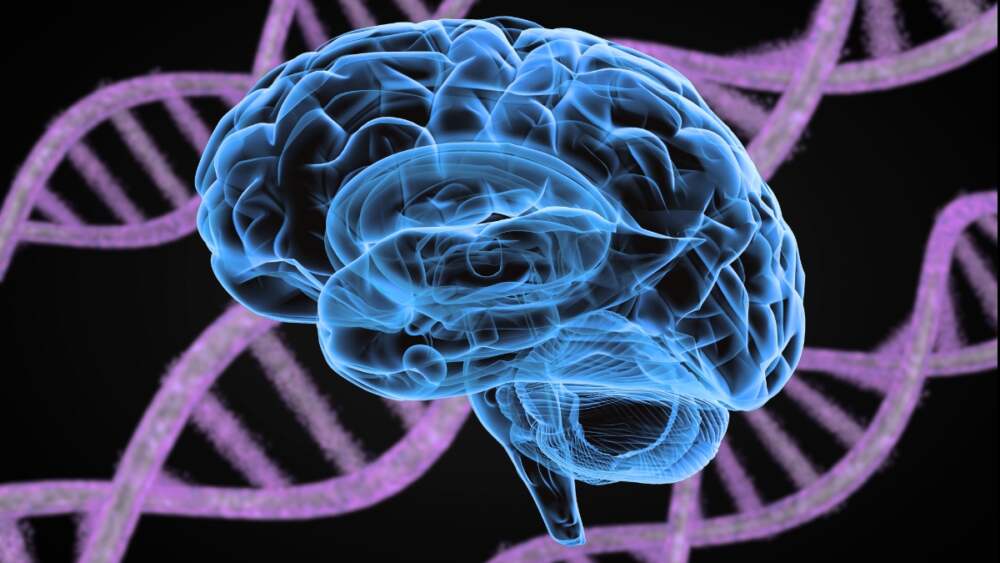
A landmark genetic study has revealed that 14 distinct psychiatric disorders share five common genetic foundations, offering new insights into the biological underpinnings of mental health conditions. The findings, experts say, could pave the way for more effective treatments and a better understanding of how mental illnesses are interconnected.
Uncovering the Genetic Overlap
Researchers conducted a comprehensive analysis of genetic data from tens of thousands of individuals diagnosed with psychiatric conditions ranging from depression and bipolar disorder to schizophrenia and attention-deficit/hyperactivity disorder (ADHD). The study identified five core genetic factors that appear to influence susceptibility across multiple disorders, suggesting a shared biological basis for conditions traditionally viewed as separate.
Implications for Diagnosis and Treatment
The discovery challenges the conventional approach of treating psychiatric disorders as entirely distinct entities. By recognizing overlapping genetic influences, scientists hope to develop treatments that target shared biological pathways, potentially improving outcomes for patients who experience comorbid conditions or complex symptom profiles.
Dr. Elena Martinez, a psychiatric geneticist involved in the study, noted that “these findings provide a framework for understanding mental illnesses not just as isolated disorders but as part of a broader, interconnected network influenced by common genetic roots.”
Understanding Mental Health on a Biological Level
The study also sheds light on why certain psychiatric disorders frequently co-occur. Shared genetic risk factors may explain the high prevalence of comorbidity among disorders like anxiety, depression, and bipolar disorder, as similar underlying genetic mechanisms can contribute to multiple conditions simultaneously.
Future Directions
Researchers are calling for further studies to explore how these genetic factors interact with environmental influences such as stress, trauma, and lifestyle. Understanding the interplay between genes and environment could lead to more personalized approaches to mental health care, including preventive strategies and early interventions for at-risk individuals.
Conclusion
This study marks a significant advance in psychiatric genetics, revealing that the roots of mental illness are often intertwined at the genetic level. By mapping these shared pathways, scientists are opening doors to new treatment strategies and a more nuanced understanding of mental health disorders.

















Leave a Reply