

NASA astronaut and U.S. Senator Mark Kelly has described a recent scientific discovery as “exciting,” emphasizing its potential to reshape our understanding of life beyond Earth. The finding, announced earlier this week by researchers, involves the detection of conditions or materials in space that could support the existence of life — past or present — outside our planet.
The Discovery at a Glance
While specific details are still emerging, the discovery is believed to involve one of the following:
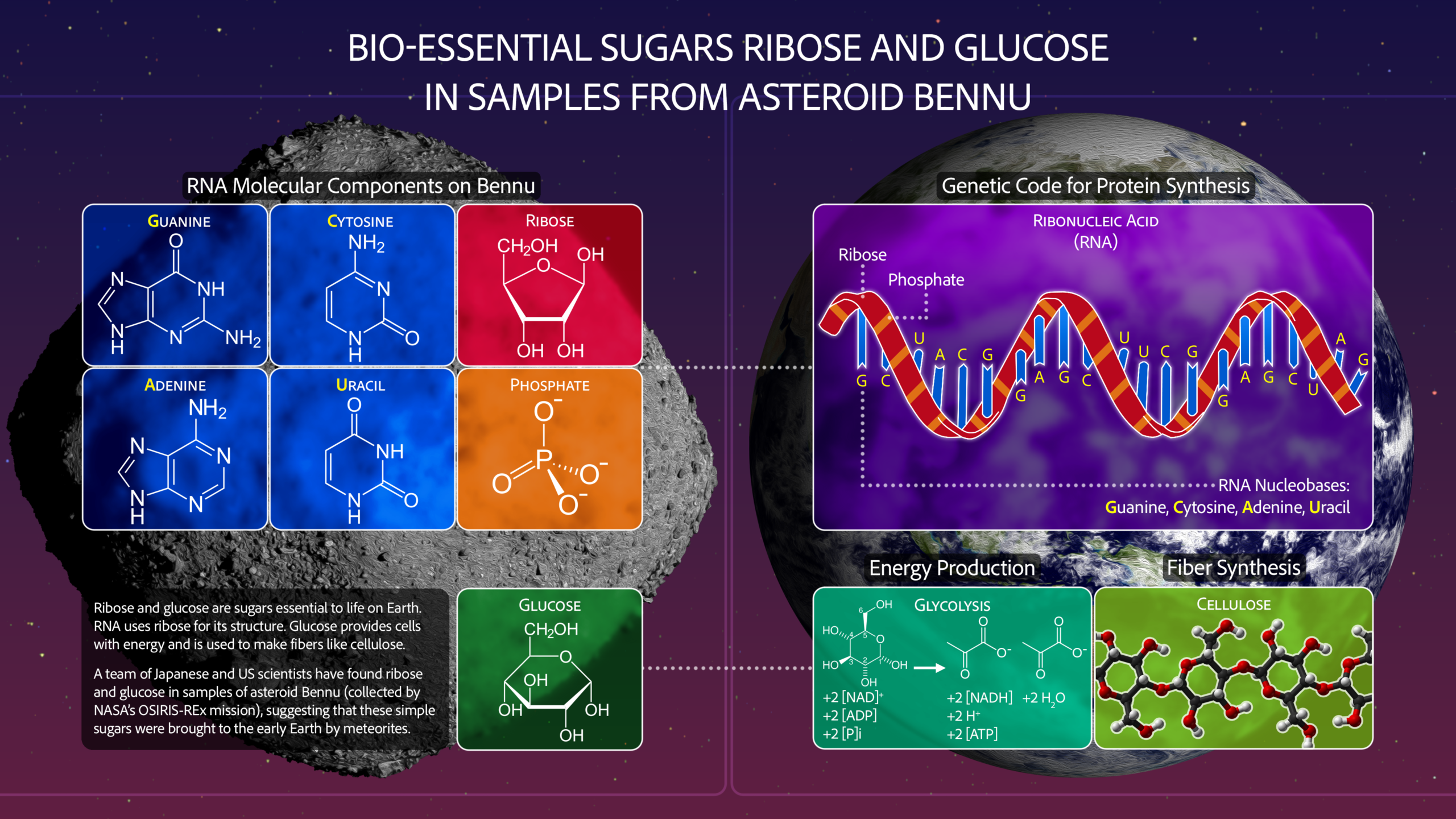
- Evidence of organic compounds on a celestial body, such as a moon or asteroid.
- Signs of microbial-friendly environments in the subsurface of planets like Mars or icy moons like Europa or Enceladus.
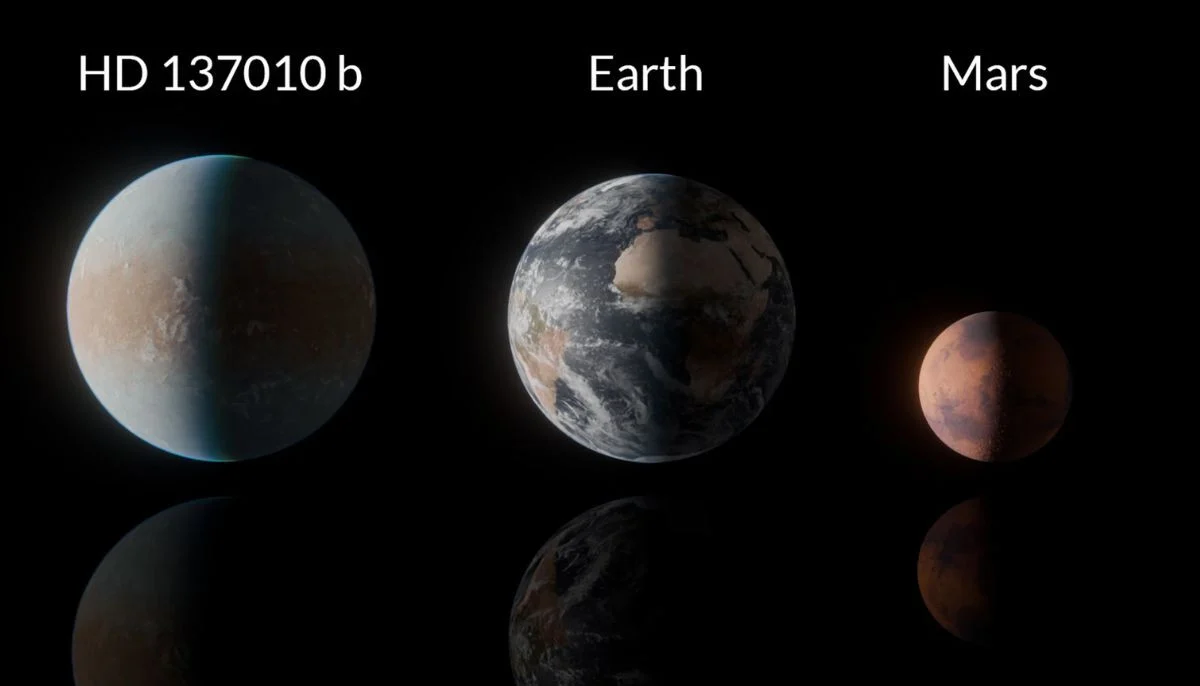
- Unusual atmospheric or chemical signals detected in exoplanets that suggest habitability.
NASA and collaborating institutions are conducting follow-up studies to verify and interpret the findings.
Mark Kelly’s Perspective
Kelly, who has spent extensive time in space, highlighted the discovery’s significance in interviews, noting that it challenges long-held assumptions about life being exclusive to Earth. “Each new piece of evidence brings us closer to answering the age-old question: Are we alone in the universe?” he said.
Kelly also underscored the importance of continued exploration, emphasizing that missions to the Moon, Mars, and beyond could provide the data needed to confirm whether extraterrestrial life exists.
Implications for Science and Society
If further studies confirm the potential for life, the discovery could have profound implications:
- Astrobiology: Expanding the search for life beyond Earth and redefining where scientists look for habitable environments.
- Space Exploration Policy: Influencing funding and priorities for missions to moons, planets, and asteroids.
- Philosophical and Cultural Impact: Sparking global dialogue about humanity’s place in the cosmos and the nature of life itself.
Experts stress caution, noting that while the discovery is promising, it is preliminary. More data, rigorous analysis, and possibly future space missions will be needed to draw definitive conclusions.
Looking Ahead
NASA and international space agencies are expected to release further details as verification progresses. Upcoming missions, including Mars rovers and lunar explorations, could provide critical insights into whether conditions conducive to life exist elsewhere in the solar system.
For now, the announcement has reignited public interest in astrobiology and the search for extraterrestrial life, reminding humanity that the universe still holds mysteries waiting to be uncovered.











Leave a Reply