

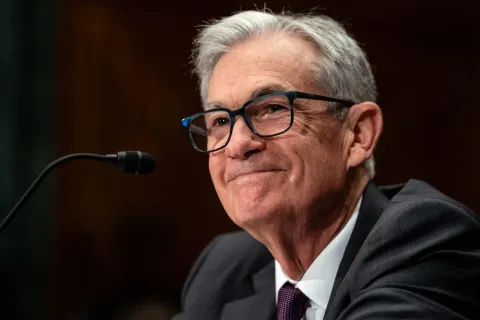
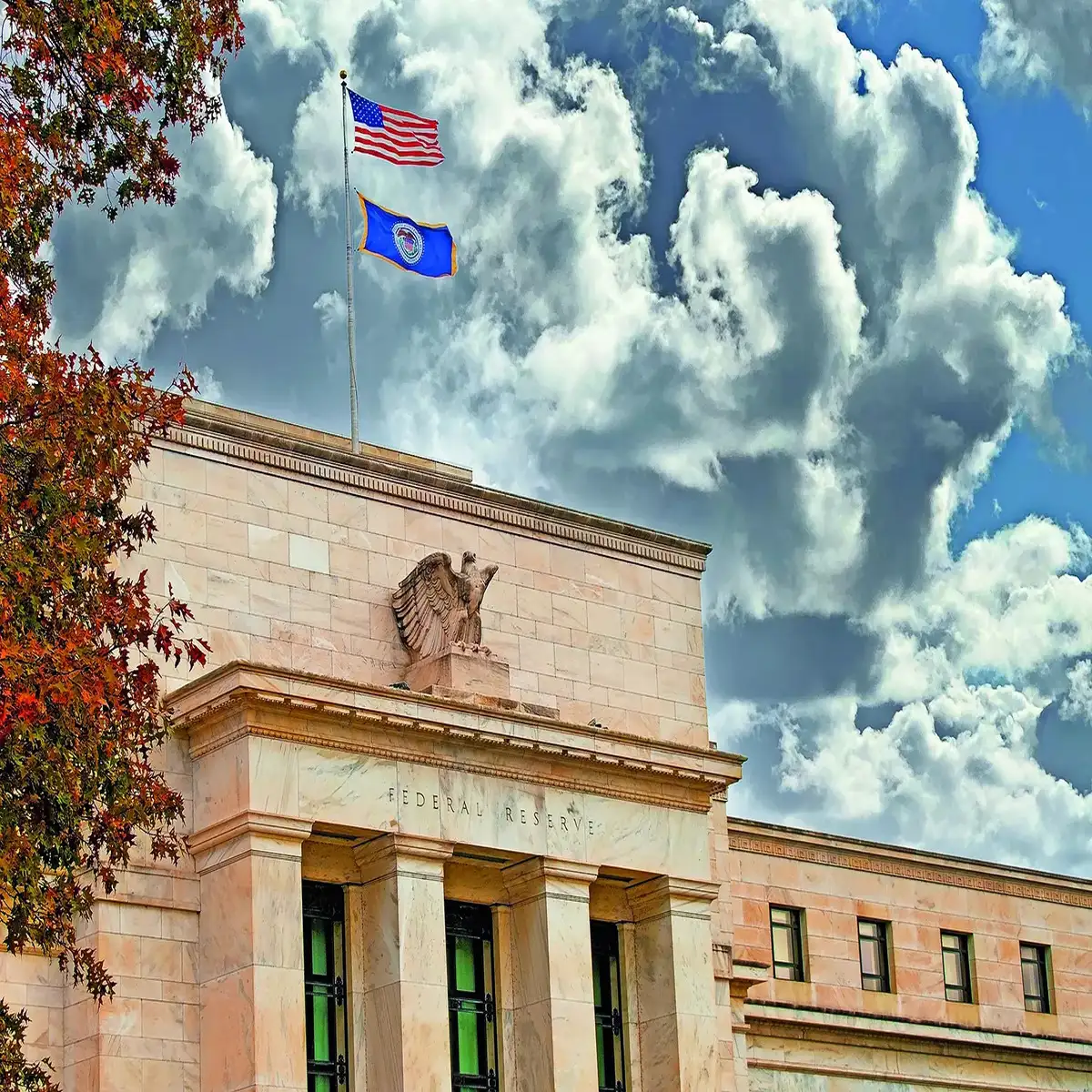
Wall Street and global equity markets surged this week as traders ramped up expectations that the Federal Reserve will deliver an interest‑rate cut in December. Fresh signals from top Fed officials and shifting economic data have combined to fuel optimism that monetary easing may get underway imminently.
Why the shift in sentiment?
Several factors are driving the market’s growing conviction: comments from influential Fed policymakers have opened the door to cuts in the near term; recent data suggesting a softening of inflation pressures; and widespread investor belief that current rates may be restraining growth more than necessary. Although some uncertainty remains about timing and magnitude, futures markets now place the odds of a 25‑basis‑point cut before year‑end at well over 70%.
Impact on stocks and assets
The uptick in easing expectations has translated into strong gains across major indices, especially among large‑cap growth and technology firms. Investors are responding to the prospect of cheaper borrowing costs, which typically favour equities and risk assets. At the same time, bond yields have fallen and the dollar has softened, creating a favourable backdrop for global stocks and commodities.
What’s still uncertain?
Despite the enthusiasm, important caveats remain. Fed leadership has reiterated that a rate reduction is not guaranteed, pointing to mixed economic signals. For instance, while inflation may be cooling, the labour market remains resilient — a combination that complicates the policy outlook. Moreover, the recent U.S. government shutdown disrupted key data releases, making it harder to gauge the strength of the economy heading into the December meeting.
What investors should watch
Market participants are now closely tracking several upcoming cues: consumer spending reports, inflation data, and comments from Fed officials ahead of the policy meeting. An unexpected uptick in inflation or signs of strength in employment could push the Fed to hold off on easing. Conversely, soft or weak readings may bolster the case for immediate action. Whatever the outcome, trading is likely to remain volatile in the lead‑up to the decision.
The bigger picture
If the Fed does cut rates in December, it could mark a pivot point in the cycle — shifting from a tightening stance to one of support. That transition would not only influence U.S. markets but also ripple through global economies, impacting emerging markets, currencies, and commodity flows. Investors believe that the easing move, when it comes, could extend market momentum into 2026 and beyond.












Leave a Reply