


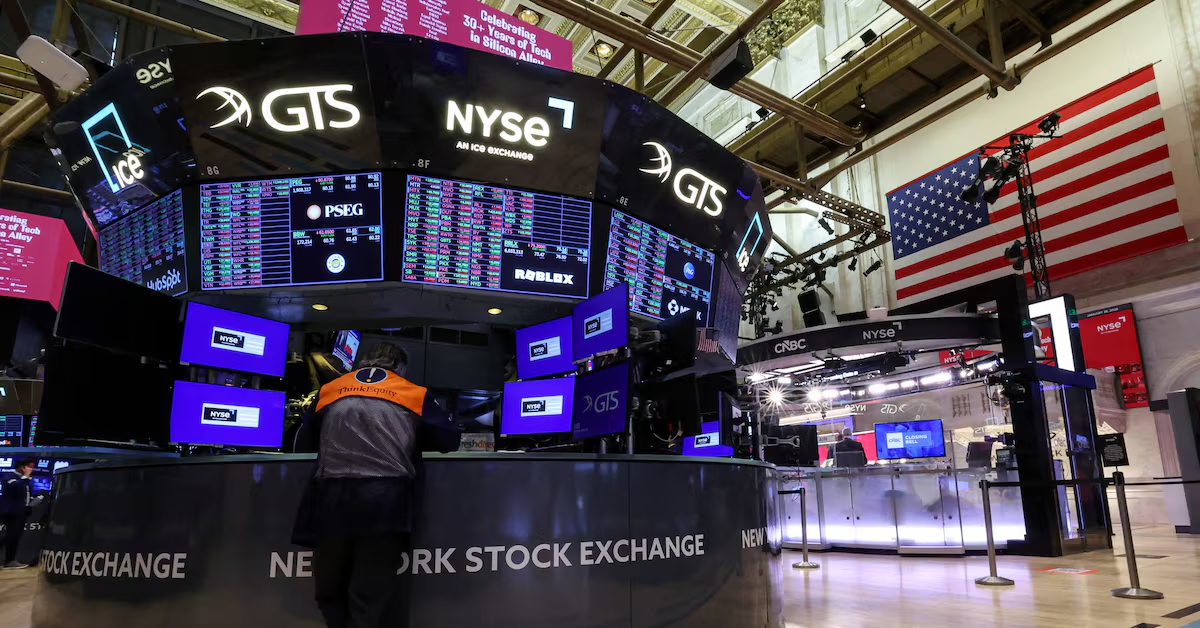
Global stock markets moved lower after long-delayed jobs figures were finally released, revealing signs that the economy may be weakening more sharply than investors had expected. The data rattled confidence on Wall Street and beyond, triggering broad sell-offs as traders reassessed growth prospects and interest-rate expectations.
Stocks React to Weak Labor Signals
Major stock indexes fell shortly after the jobs figures were published. Investors had been awaiting the data for weeks, and its arrival brought unwelcome news: hiring momentum has slowed, and unemployment has edged higher. The delayed release, which combined information from multiple months, suggested that the labor market has lost strength beneath the surface.
Technology stocks and economically sensitive sectors led declines, while defensive stocks fared slightly better as investors sought relative safety.
Why the Jobs Data Spooked Markets
The report showed modest job creation paired with a notable rise in the unemployment rate. Economists said the combination points to employers becoming more cautious, potentially pulling back on hiring plans amid high borrowing costs and slowing demand.
Compounding the concern was the delay itself. Because the data arrived late, markets were forced to quickly absorb a backlog of information, making it harder to determine whether the weakness reflects a short-term fluctuation or a more persistent downturn.
Uncertainty Around Economic Direction
The labor market has been one of the strongest pillars supporting the economy. Signs of weakness there raise fears that consumer spending could slow, hurting corporate profits in the months ahead.
Investors are now questioning whether the economy is heading toward a “soft landing” or something more severe. The lack of clarity has increased volatility, with sharp swings seen throughout the trading session.
What This Means for Interest Rates
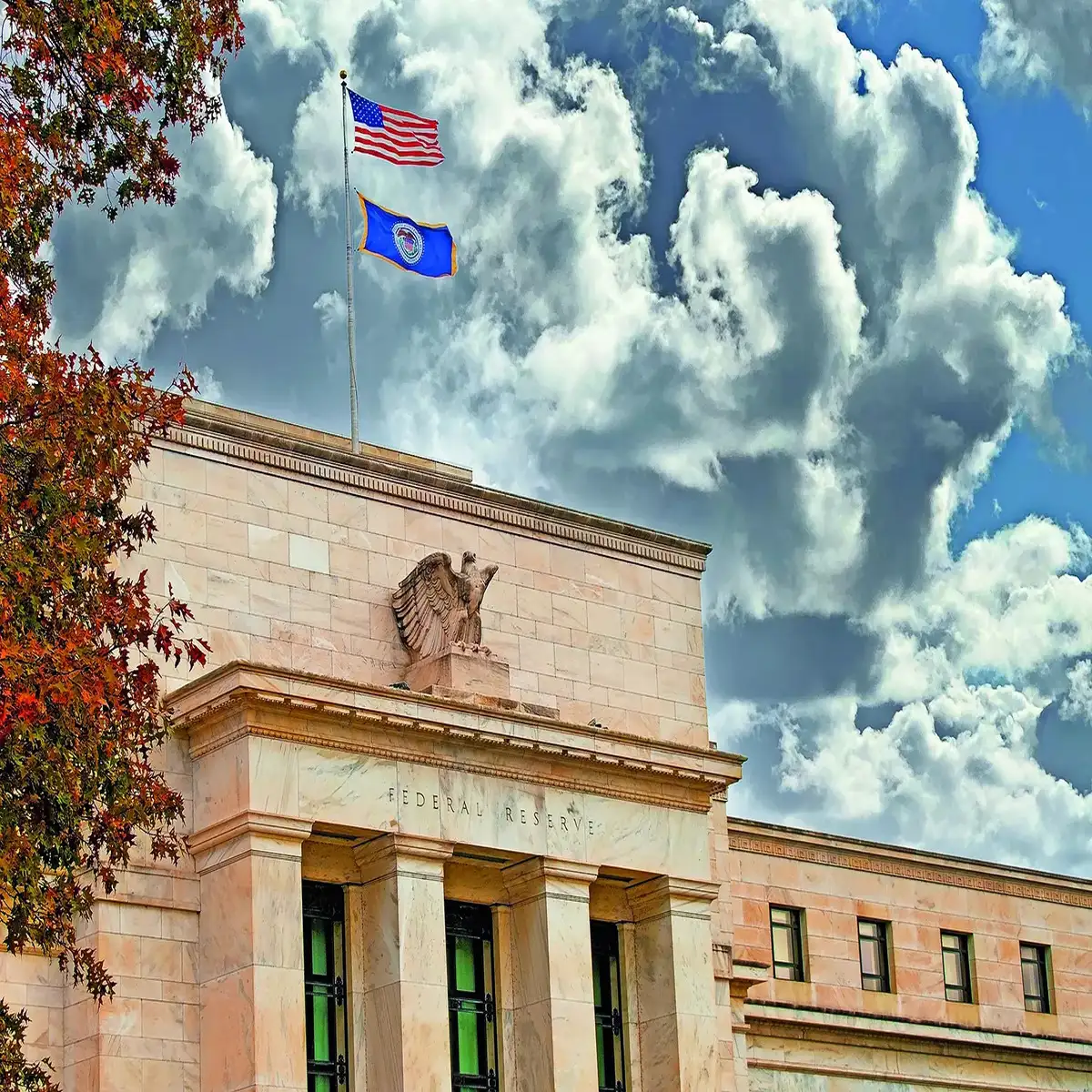
The weaker-than-expected jobs picture has intensified debate about the future path of interest rates. Softer employment data can increase expectations that central banks may eventually cut rates to support growth. However, policymakers have also emphasized the need to balance growth concerns with inflation control, leaving markets unsure about the timing of any policy shift.
That uncertainty added to the day’s sell-off, as traders struggled to price in competing economic risks.
Global Ripple Effects
The market reaction was not limited to the United States. European and Asian markets also traded lower as investors digested the implications of a slowing U.S. economy for global growth, trade, and investment flows. Commodity prices showed mixed movement, reflecting uncertainty about future demand.
What Investors Are Watching Next
With confidence shaken, attention is now turning to upcoming economic indicators, including inflation data, consumer spending figures, and central bank statements. Analysts say markets are likely to remain sensitive to any signal that confirms—or contradicts—the picture of a cooling economy painted by the delayed jobs report.
For now, investors appear firmly in risk-off mode, prioritizing caution over optimism.













Leave a Reply