

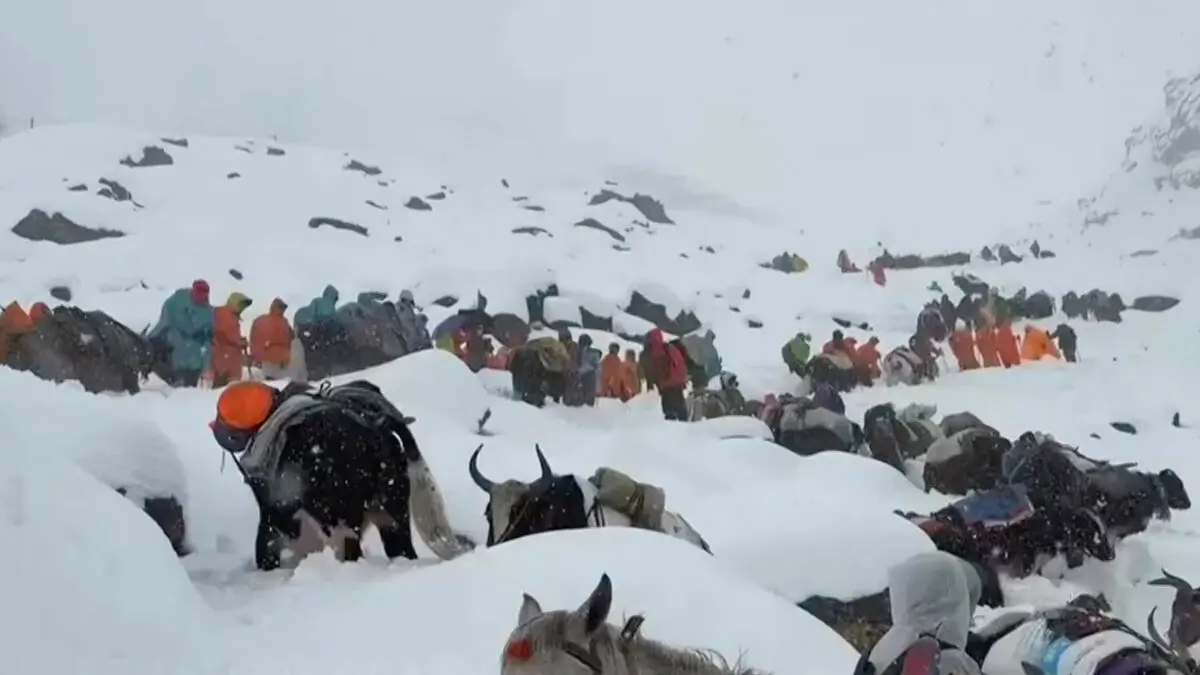
A major rescue operation concluded successfully this week as all hikers stranded in the remote Karma Valley near Mount Everest in Tibet were evacuated after being trapped by a sudden and severe blizzard. The storm, which began unexpectedly over the weekend, dumped heavy snow across high-altitude trails, creating life-threatening conditions for trekkers and support personnel alike. The operation, which involved hundreds of local rescue workers, guides, and volunteers, ended without any fatalities—a rare outcome in such extreme environments.
The Blizzard and Its Impact
The blizzard struck on Saturday, bringing gale-force winds, sub-zero temperatures, and deep snow accumulation across the eastern Everest region. Trekking groups attempting to traverse Karma Valley found themselves cut off from standard evacuation routes. With temperatures dropping sharply at night and no shelter available for some groups, the risk of hypothermia and altitude-related illnesses was imminent.
Authorities reported that approximately 580 foreign and domestic trekkers were affected, along with over 300 local guides, porters, and yak herders who support trekking expeditions in the region. Many trekkers were left stranded for over 48 hours, relying on emergency rations and temporary shelters.
Coordinated Rescue Efforts
The rescue operation was launched immediately after reports of stranded hikers reached local authorities. Tibetan firefighters, specialized high-altitude rescue teams, and volunteers coordinated to reach the isolated groups. Helicopters were deployed where weather permitted, but heavy snowfall and poor visibility limited aerial rescues. Most evacuees were guided along snow-packed trails by experienced mountaineering teams who navigated treacherous ridges and frozen rivers.
Despite the challenges, all stranded individuals were safely evacuated to lower-altitude camps by Tuesday. Rescue coordinators praised the dedication and expertise of the local teams, noting that the swift response likely prevented fatalities.
Regional Effects on Mountaineering and Tourism
The storm also disrupted mountaineering expeditions beyond Karma Valley. Teams attempting to summit peaks such as Cho Oyu were forced to halt their climbs and return to base camps. Western China’s other high-altitude regions, including Xinjiang, Qinghai, and Gansu, also experienced severe winter conditions, with at least one reported death from hypothermia and acute mountain sickness.
In response to the emergency, authorities temporarily closed the Everest region, including Karma Valley, Rongshar Valley, and surrounding peaks, to allow recovery operations and safety inspections. The area is a major tourist and mountaineering destination, attracting hundreds of thousands of visitors annually. Last year alone, the region welcomed an estimated 540,000 tourists, underscoring both the popularity and the inherent risks of high-altitude trekking.
Lessons and Implications
This incident highlights the unpredictable and dangerous nature of high-altitude mountaineering. While trekking infrastructure and rescue capabilities have improved over the years, sudden weather changes remain a major threat. Experts emphasize that trekkers must always prepare for extreme conditions, carry adequate emergency supplies, and follow the guidance of experienced local guides.
Local authorities have indicated that safety protocols and emergency response strategies will be reviewed in the aftermath of the storm. These measures aim to strengthen communication systems, improve weather forecasting for hikers, and ensure rapid mobilization of rescue teams in future emergencies.
The Human Element
The successful evacuation has drawn attention to the dedication of Tibetan rescue personnel, whose local knowledge and mountaineering skills were crucial in bringing stranded hikers to safety. Many trekkers have expressed gratitude, praising the professionalism and courage of their rescuers.
As the Everest region prepares to reopen, authorities remain committed to balancing tourism with safety. The recent blizzard serves as a reminder that even experienced climbers are vulnerable to the formidable forces of nature in some of the world’s most extreme environments.
















Leave a Reply