

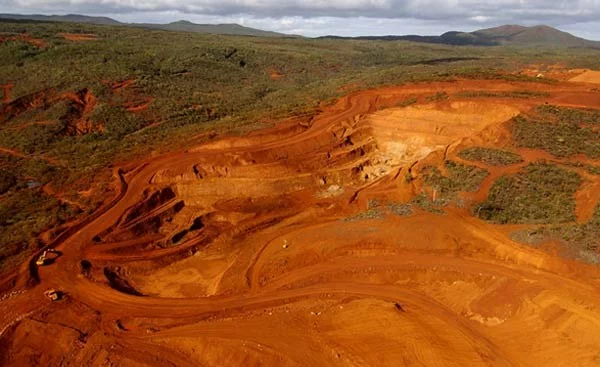
Geologists have confirmed the discovery of one of the largest known nickel deposits on Earth in Africa, a finding that could significantly alter global supply chains for a metal that is critical to modern industry and clean energy technologies. The scale of the deposit places it among the most important mineral finds of recent decades.
Preliminary studies suggest the reserve contains exceptionally high concentrations of nickel, along with associated metals such as cobalt and platinum-group elements. These minerals are essential components in electric vehicle batteries, stainless steel production, and a wide range of high-performance alloys. Experts say the discovery has the potential to reduce global dependence on a small number of traditional nickel-producing countries.
The deposit is located in a geologically complex region that has long been known to host valuable mineral formations but has remained underexplored due to limited infrastructure and investment. Advances in surveying technology and renewed interest in critical minerals have helped unlock the area’s potential, leading to the breakthrough discovery.
Mining analysts note that Africa’s emergence as a major nickel player could shift the balance of power in the global metals market. Demand for nickel is rising rapidly as automakers move toward higher-energy-density batteries, which rely on nickel-rich chemistries to extend vehicle range. A large, stable supply from Africa could help stabilize prices and support the global energy transition.
However, the discovery also raises questions about environmental protection and local development. Large-scale nickel mining can be resource-intensive, requiring careful management of water, land, and waste. Community leaders and environmental groups are calling for transparent agreements that ensure local populations benefit through jobs, infrastructure, and long-term economic growth while minimizing ecological harm.
Government officials have described the find as a strategic national asset and signaled plans to develop the resource responsibly. Discussions are reportedly underway with international mining companies and investors, with an emphasis on value-added processing within Africa rather than exporting raw ore.
If developed successfully, the deposit could transform the host country into a key supplier of battery metals at a time when global demand is accelerating. Beyond its economic impact, the discovery highlights Africa’s growing role in supplying the resources that underpin the world’s technological and energy future.















Leave a Reply