


McDonald’s has emerged as one of the few bright spots in the U.S. fast-food and casual-dining sector, reporting better-than-expected growth in a period when many competitors are struggling. By leaning hard into value propositions and traffic-driving promotions, the burger giant is managing to buck a broader industry slowdown.
A Challenging Backdrop
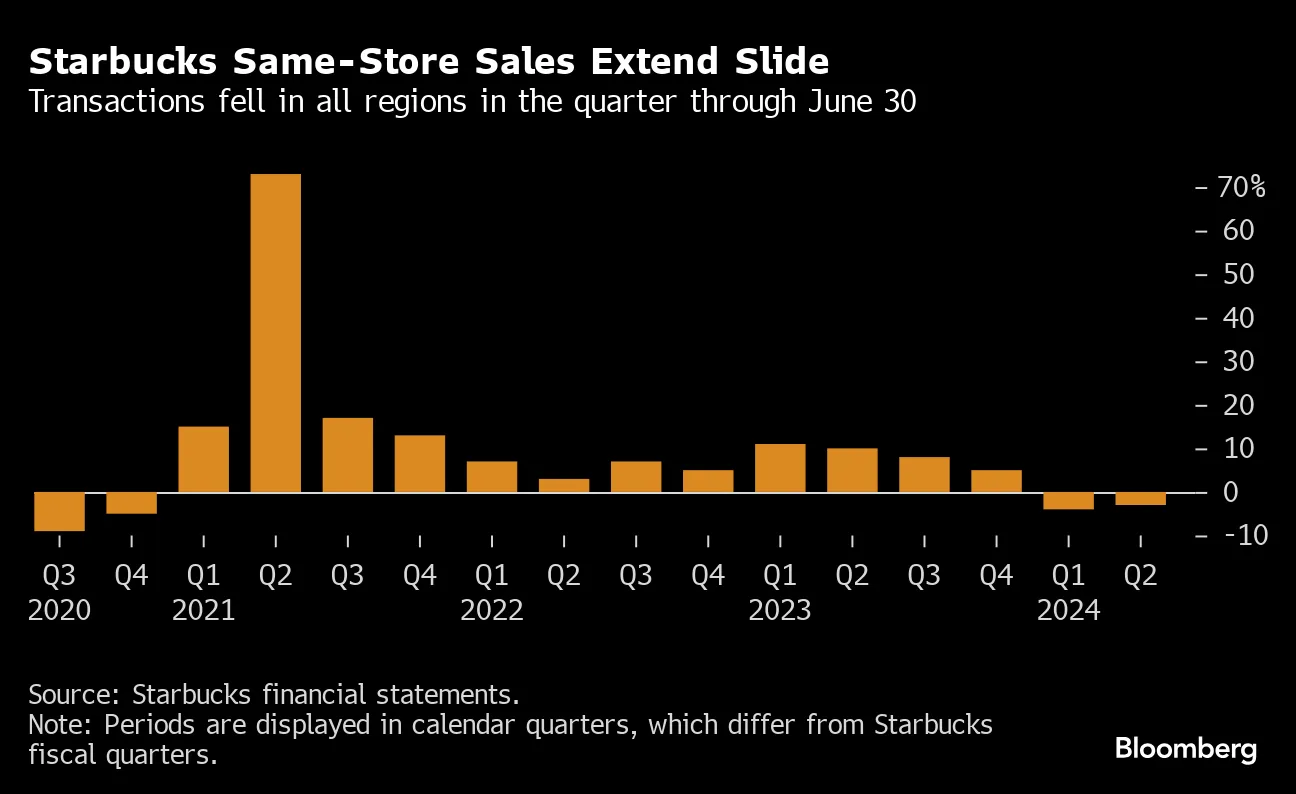
The U.S. restaurant industry has been under pressure: inflation, stagnating wages and rising household costs have pushed many consumers to reduce spending on eating out. Data for September showed flat growth in consumer outlays on dining, and limited-service (fast-food) outlets have faced particularly weak traffic, especially among younger and lower-income consumers.
McDonald’s Strategic Response
In this environment, McDonald’s has doubled down on affordability. For the quarter ending in September, same-store sales rose about 3.6% year-on-year, exceeding analyst expectations. Customers also spent more per visit, a positive signal given the headwinds.
Key moves include:
- Reintroducing popular value-meal promotions and menu items that appeal to cost-conscious diners.
- Focusing on “getting more people through the door” and encouraging larger orders per visit. The chief executive emphasised that foot traffic and per-visit spend are dual levers for growth.
- Adjusting pricing, menu mix and promotional intensity to maintain relevance among consumers whose budgets are tighter.
Why It’s Working (For Now)
Several factors help explain McDonald’s relative strength:
- The value-oriented menu aligns with consumers trading down from full-service restaurants or home-cooking instead of eating out.
- The brand’s scale and operational efficiency allow McDonald’s to absorb cost pressure better than smaller chains and offer competitive deals.
- The combination of promotion + newer menu items keeps the brand fresh and gives reason for consumers to visit rather than pass.
Caution Flags for the Future
While McDonald’s is outperforming many peers, the company still faces risks:
- The consumer segment driving fast-food traffic — younger, lower-income diners — remains under pressure. These groups have shown dramatic pull-backs in visits as the cost-of-living squeezes their budgets.
- Promotions and value deals carry margin risk. If commodity inputs or labour costs rise further, sustaining attractive offers will be challenging without eroding profitability.
- A reliance on value may limit pricing power long-term, and if consumers return to normal spending patterns, McDonald’s will need to pivot back to growth-oriented innovation and premiumisation.
Broader Industry Implications
McDonald’s performance highlights an important lesson for the dining sector: in times of consumer belt-tightening, value and traffic matter more than ever. Chains that can deliver strong value AND drive incremental spend per customer are more likely to hold up.
Meanwhile, companies that target premiumisation, higher-cost menu items or lean on affluent segments may underperform if the broader consumer base remains cautious.
Bottom Line
McDonald’s has shown that even in a difficult macro environment, smart execution — particularly around value, menu strategy and customer traffic — can make a difference. The question now is whether this outperformance is sustainable, or whether broader sector weakness will eventually catch up. Observers and investors will be watching closely how McDonald’s balances value offerings, margins and menu innovation in the year ahead.














Leave a Reply