

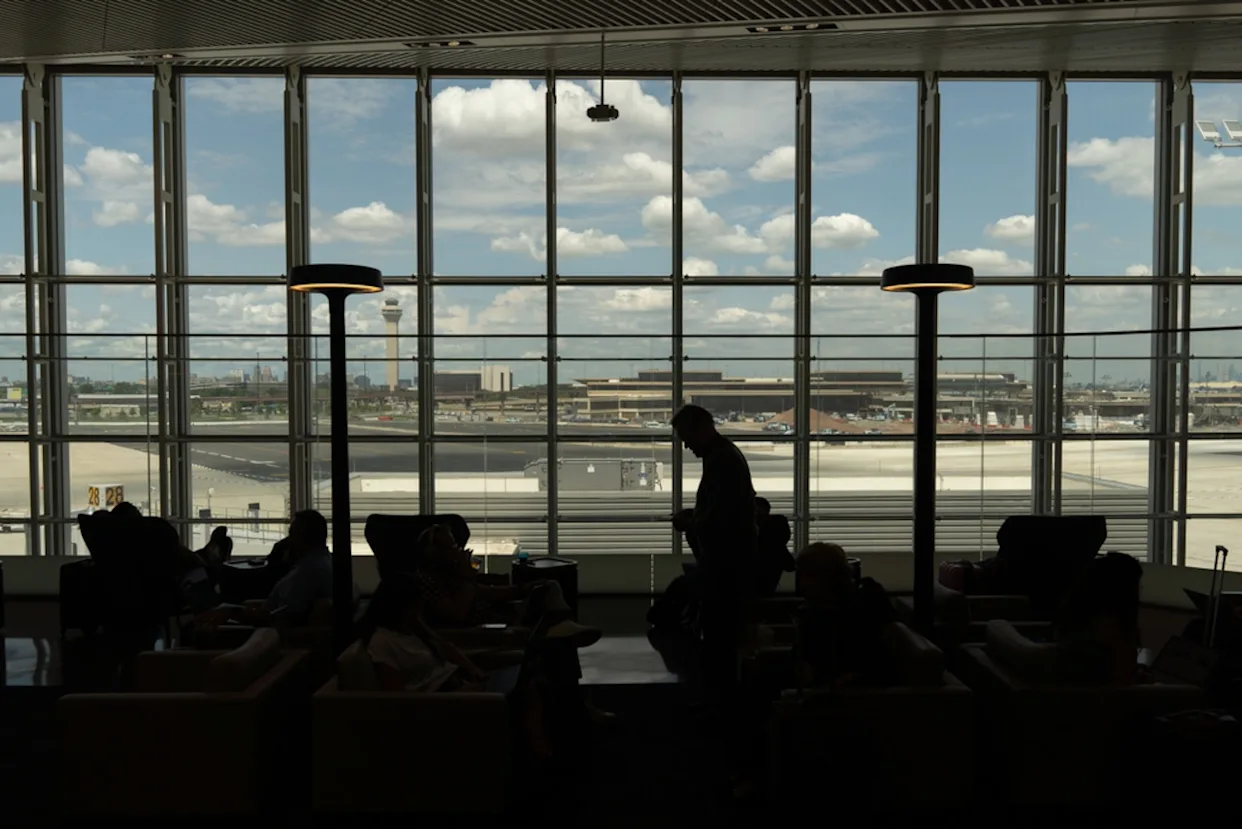
Health officials have issued a public alert warning of a possible measles exposure at Newark Liberty International Airport, after confirming that a traveler infected with the highly contagious virus moved through the airport while contagious. The alert highlights renewed concerns about the spread of measles in busy transportation hubs, particularly during peak travel periods.
According to state health authorities, the infected individual traveled through multiple terminals at Newark Airport on a specific day in mid-December. Because measles spreads through the air and can linger long after an infected person leaves an area, officials say anyone who was present in affected terminals during the exposure window may be at risk. Airport staff, passengers, and visitors who passed through those areas are being urged to remain vigilant for symptoms.
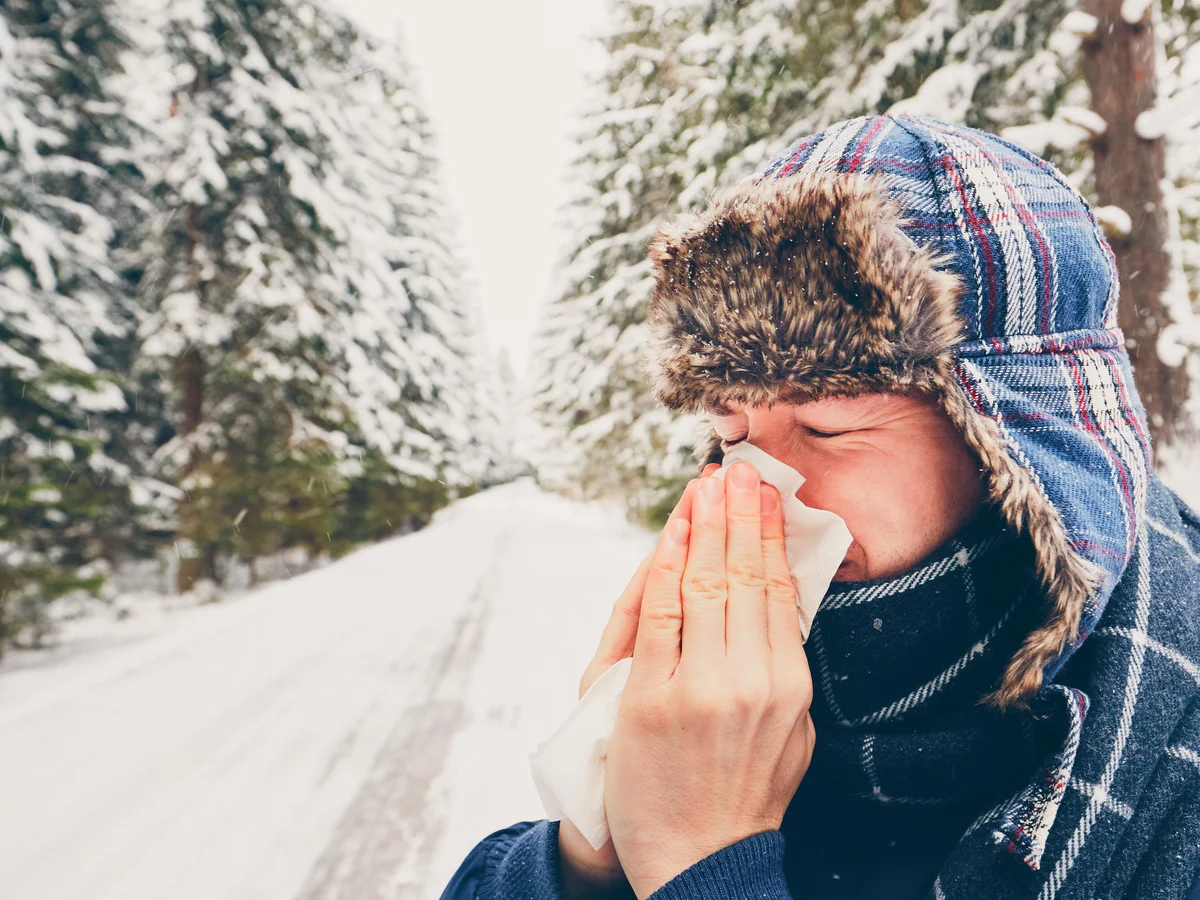
Measles is considered one of the most contagious viral diseases in the world. It spreads through coughing, sneezing, or even breathing in shared indoor spaces. The virus can remain airborne for up to two hours, making crowded locations such as airports particularly vulnerable to transmission. People who are not fully vaccinated face the highest risk of infection.
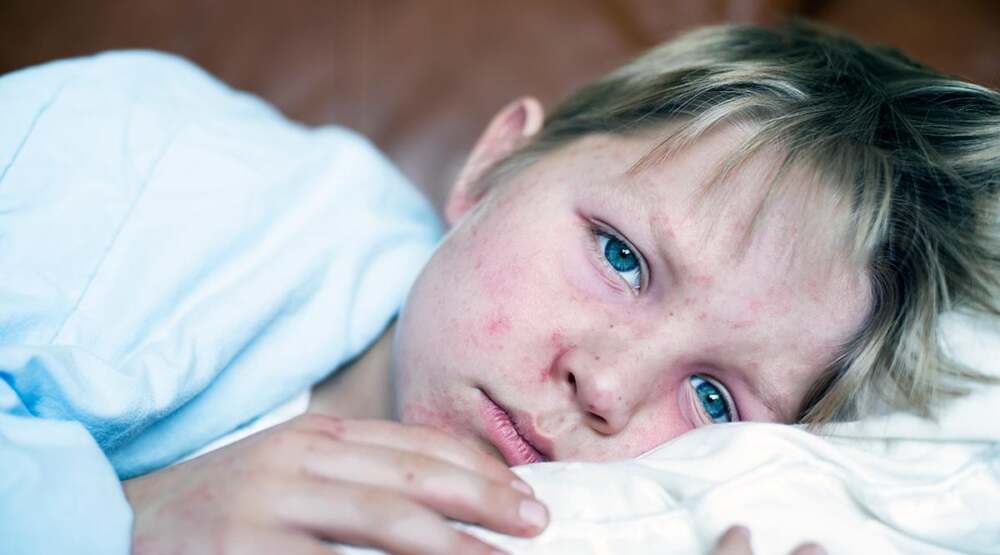
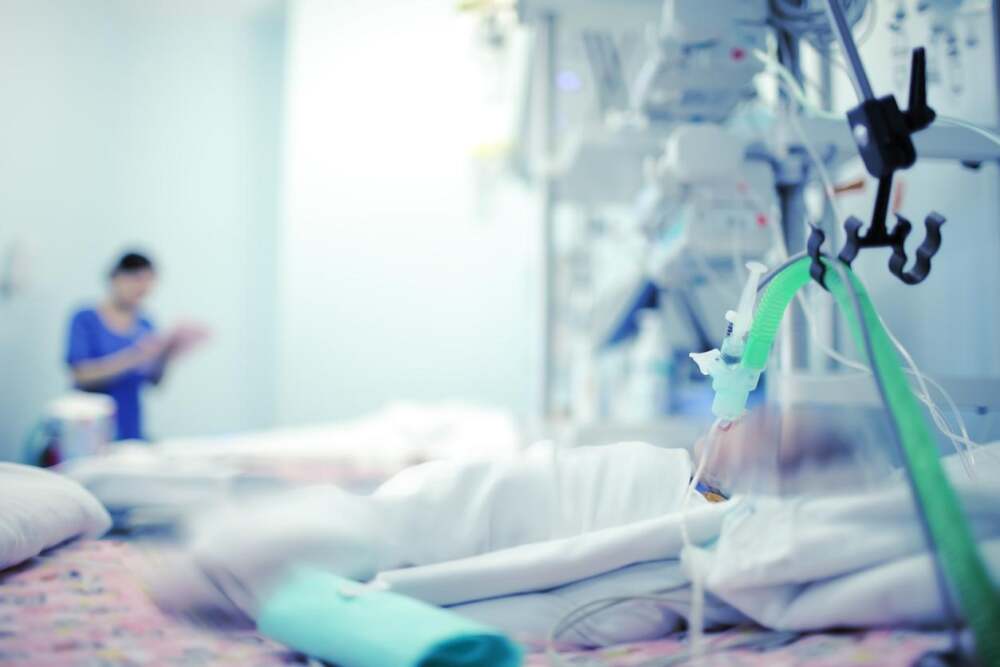
Symptoms typically appear seven to fourteen days after exposure, though in some cases they can take longer. Early signs include high fever, cough, runny nose, and red, watery eyes. A few days later, a distinctive red rash usually develops, starting on the face and spreading downward across the body. While many people recover, measles can lead to serious complications such as pneumonia, brain inflammation, and severe dehydration, especially in young children, pregnant individuals, and those with weakened immune systems.
Health officials are advising anyone who was at Newark Airport during the exposure period to monitor their health closely through early January. Individuals who develop symptoms consistent with measles are urged to contact a healthcare provider or local health department immediately. Authorities stress the importance of calling ahead before visiting a medical facility so appropriate precautions can be taken to prevent further spread.
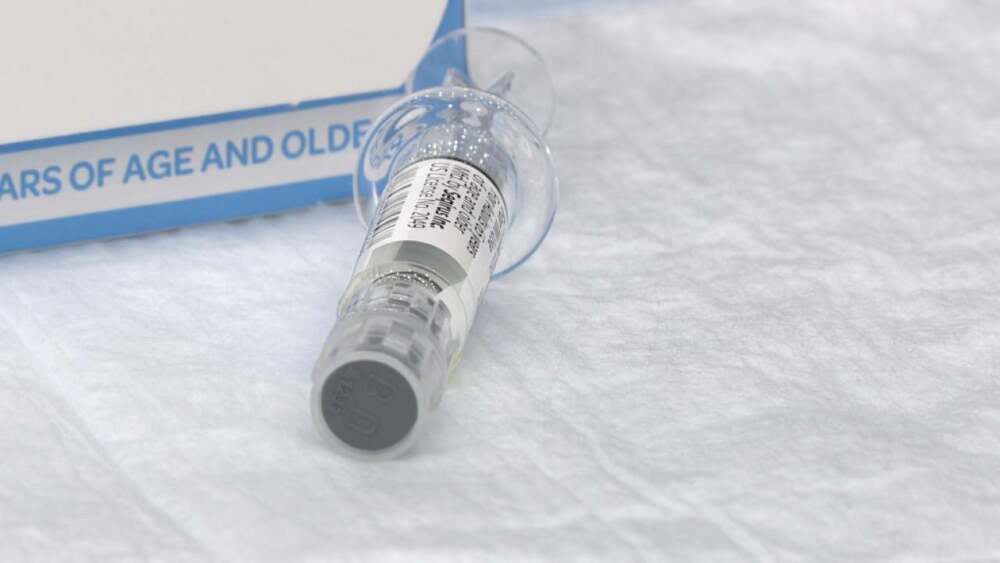
Vaccination remains the most effective protection against measles. The measles, mumps, and rubella (MMR) vaccine is typically given in two doses and provides strong, long-lasting immunity. Health experts say people who are fully vaccinated are highly unlikely to become infected, even after exposure. Those who are unvaccinated, partially vaccinated, or unsure of their vaccination status are encouraged to consult a healthcare provider as soon as possible.
The airport exposure comes amid growing concern over measles cases nationwide. Public health officials have noted an increase in outbreaks in recent years, often linked to international travel and declining vaccination rates in some communities. Airports and airplanes can act as key points of transmission when infected individuals pass through while contagious.
At this time, no additional measles cases linked directly to the Newark Airport exposure have been confirmed. However, health authorities say continued monitoring and public cooperation are essential to preventing a wider outbreak. Travelers are also being reminded to review their vaccination status before future trips, particularly when traveling internationally.
Officials emphasize that rapid reporting, vaccination, and awareness remain the strongest tools to protect the public. The Newark Airport alert serves as a reminder that even diseases once considered rare can reemerge quickly when conditions allow them to spread.












Leave a Reply