

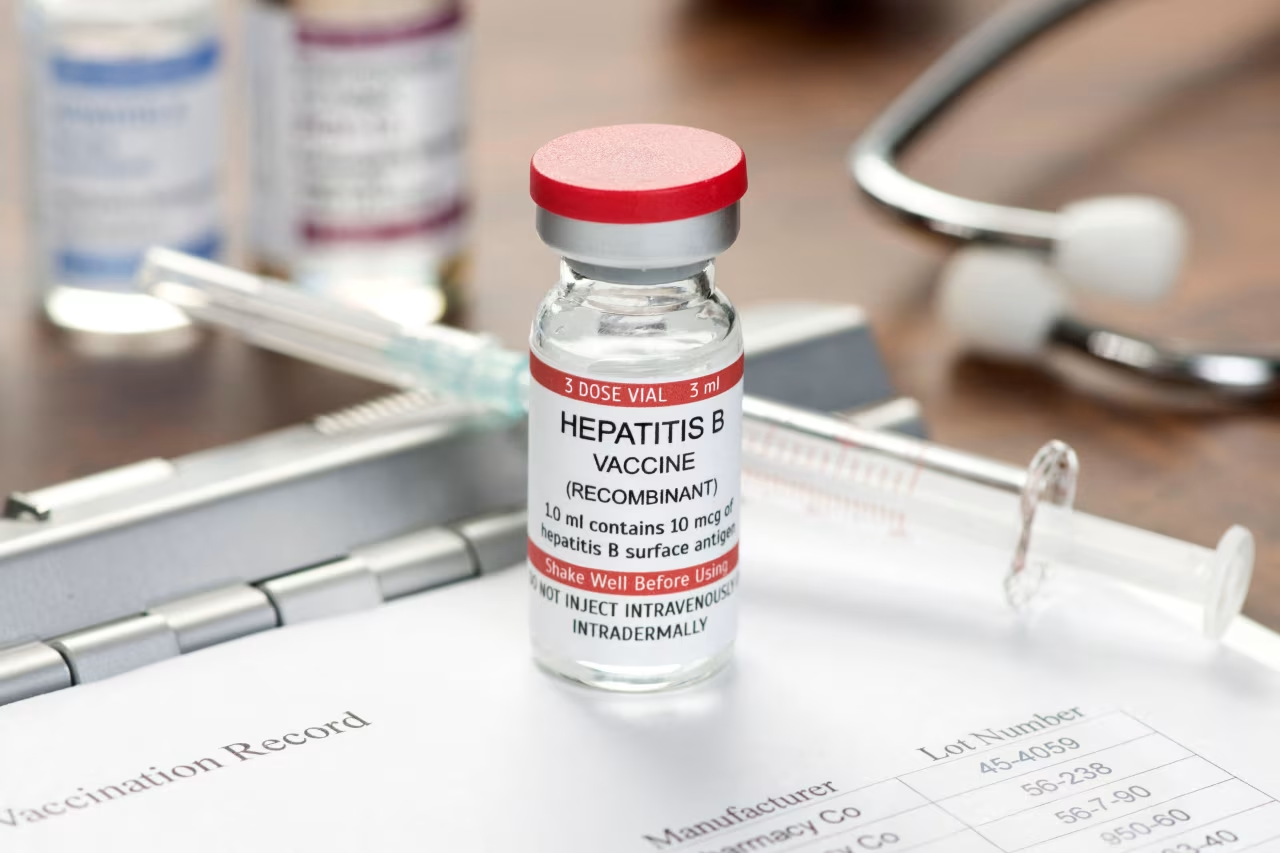
Michigan health officials have officially distanced themselves from vaccine recommendations issued by the federal panel led by Robert F. Kennedy Jr., signaling a commitment to following established public health guidance over controversial advisory opinions. The move highlights ongoing tensions between state health authorities and federally-appointed panels whose recommendations have drawn both support and criticism.
The Controversial Guidance
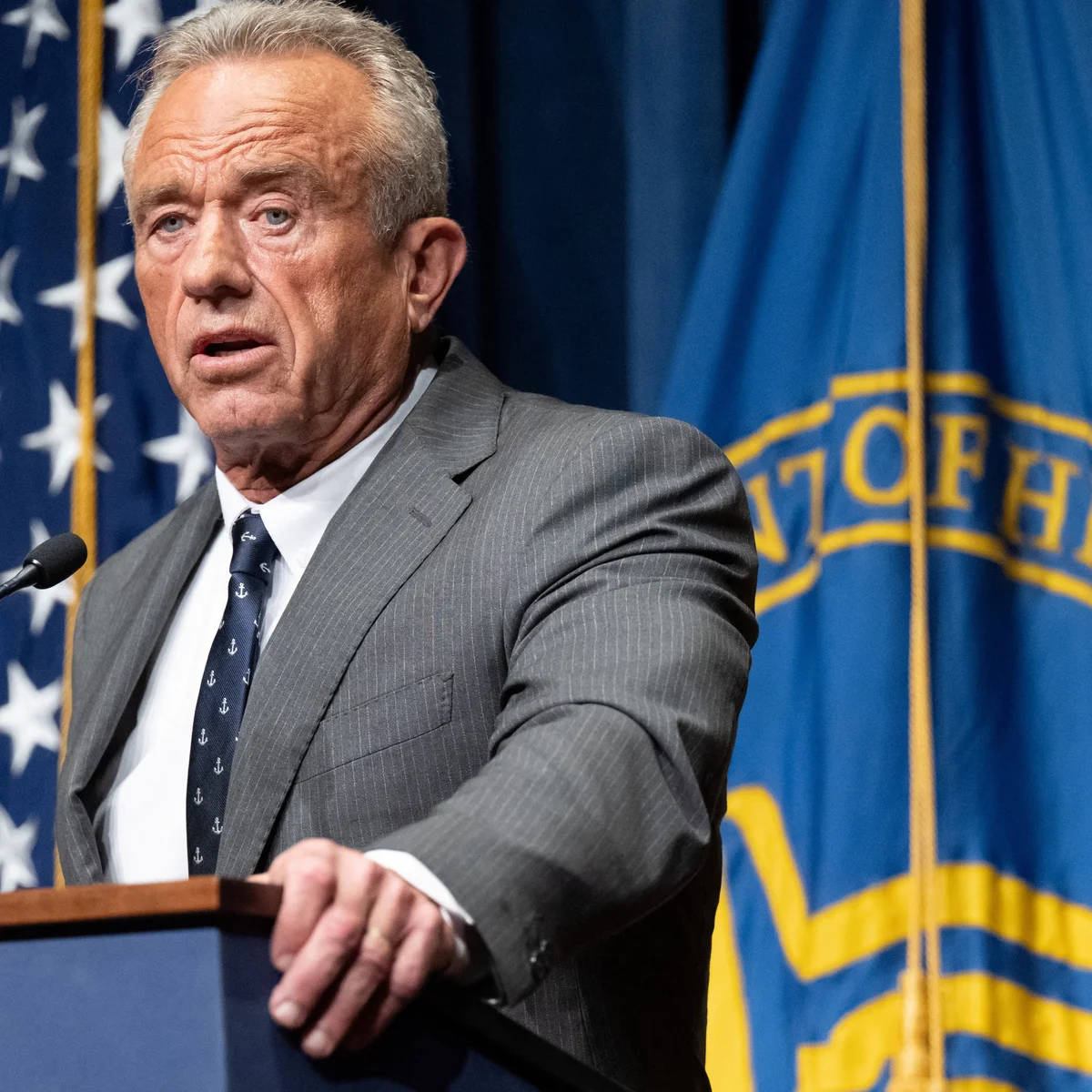
The federal panel, chaired by RFK Jr., has issued guidance questioning the safety and necessity of certain vaccines, generating significant debate within the medical and public health communities. Critics argue that the panel’s recommendations lack the rigorous scientific backing typically required for public health policy, while supporters claim the guidance reflects concerns about vaccine safety and transparency.
Michigan’s Response
State officials emphasized that Michigan will continue to follow guidance from mainstream public health authorities, including the Centers for Disease Control and Prevention (CDC) and the Michigan Department of Health and Human Services. Officials stated that decisions regarding vaccine schedules, mandates, and public health recommendations must be rooted in peer-reviewed research and established scientific consensus.
Health experts in the state underscored that adhering to widely accepted vaccine guidance remains crucial for preventing outbreaks of preventable diseases, protecting vulnerable populations, and maintaining public trust in healthcare systems.
Implications for Public Health Policy
Michigan’s rejection of the panel’s guidance reinforces the state’s stance on evidence-based medicine. The move may also influence other states grappling with whether to adopt or reject the controversial recommendations. It underscores the ongoing challenge of balancing public health priorities with debates over vaccine policy and misinformation.
Looking Ahead
State authorities are continuing educational campaigns to inform residents about the benefits of vaccination and the risks of vaccine-preventable diseases. Public health officials emphasize that vaccines remain one of the most effective tools for protecting communities, particularly children and immunocompromised individuals.
Conclusion
By distancing itself from RFK Jr.’s federal panel, Michigan is reaffirming its commitment to science-driven vaccine policy. The decision highlights the importance of relying on established public health expertise to safeguard community health and counter misinformation.
















Leave a Reply