

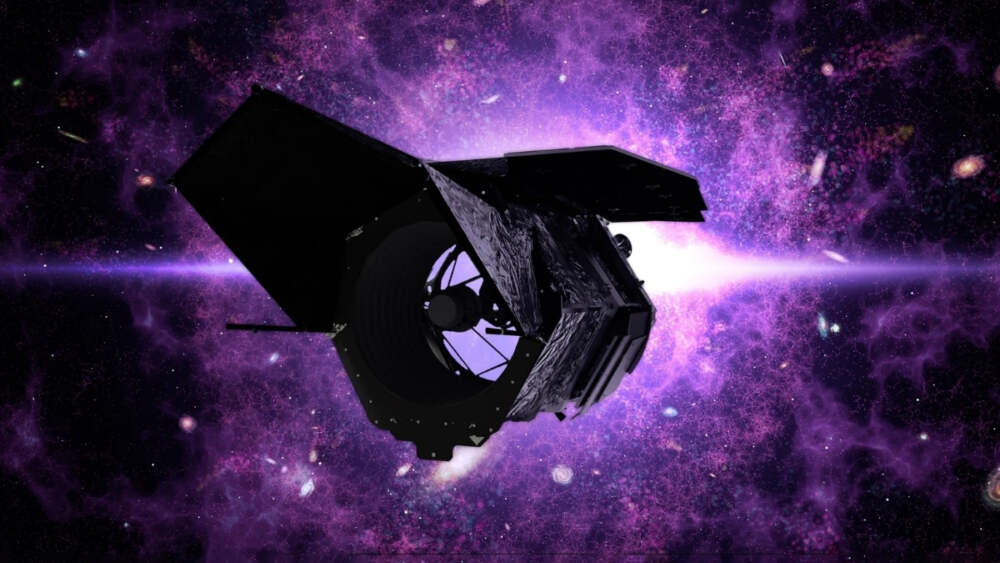
NASA has announced the completion of its next-generation space telescope, a powerful new observatory designed to probe the cosmos with unprecedented precision. Scientists say the instrument could bring humanity closer than ever to answering one of the most profound questions: Are we alone in the universe?
A Leap Forward in Space Observation
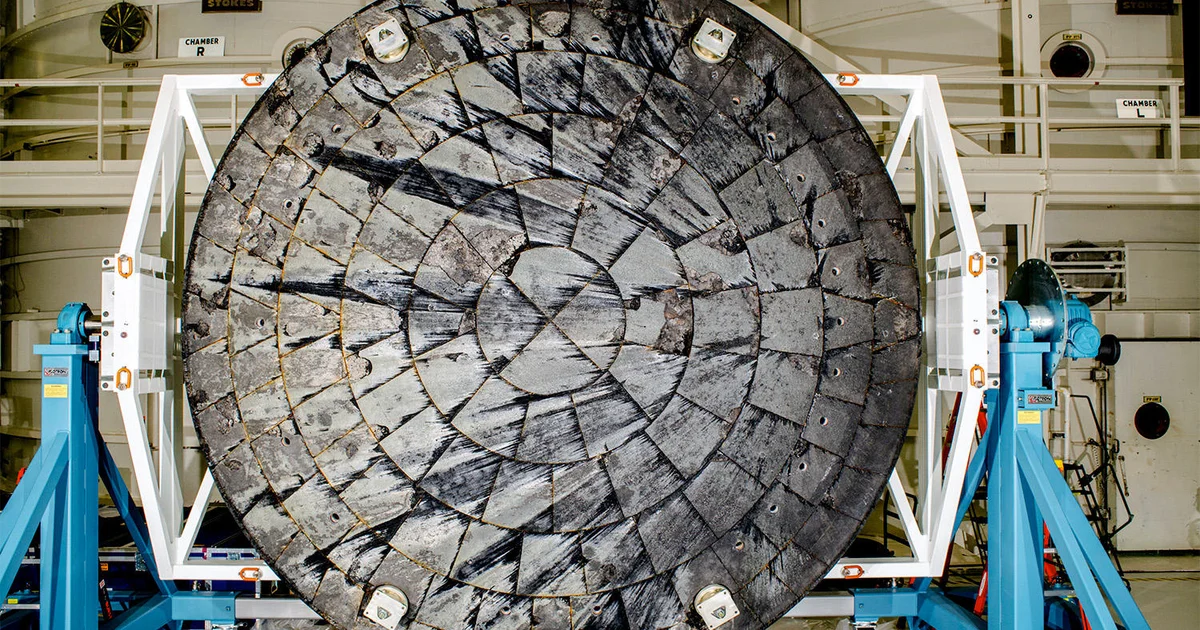
The telescope, a culmination of years of research and engineering, features advanced optics, ultra-sensitive sensors, and enhanced infrared and ultraviolet capabilities. These upgrades will allow astronomers to study exoplanets, distant stars, and cosmic phenomena in remarkable detail.
Unlike previous instruments, the telescope can detect atmospheric signatures of life, such as oxygen, methane, and water vapor, on planets orbiting distant stars. This capability could be critical in identifying worlds that may harbor habitable environments or biological activity.
How It Could Revolutionize Exoplanet Research
With the new telescope online, scientists expect a dramatic expansion in the catalog of potentially habitable exoplanets. By observing the chemical composition and temperature profiles of alien atmospheres, researchers aim to pinpoint planets that resemble Earth in size, climate, and conditions.
Dr. Lydia Chen, a lead astronomer on the project, said, “This telescope gives us the ability to analyze exoplanets in ways we’ve only dreamed of. For the first time, we can realistically look for biosignatures rather than just distant orbs of rock and gas.”
Beyond the Search for Life
While the hunt for extraterrestrial life captures the public imagination, the telescope will also advance other areas of astrophysics, including:
- Studying galaxy formation and evolution
- Mapping cosmic structures in greater detail
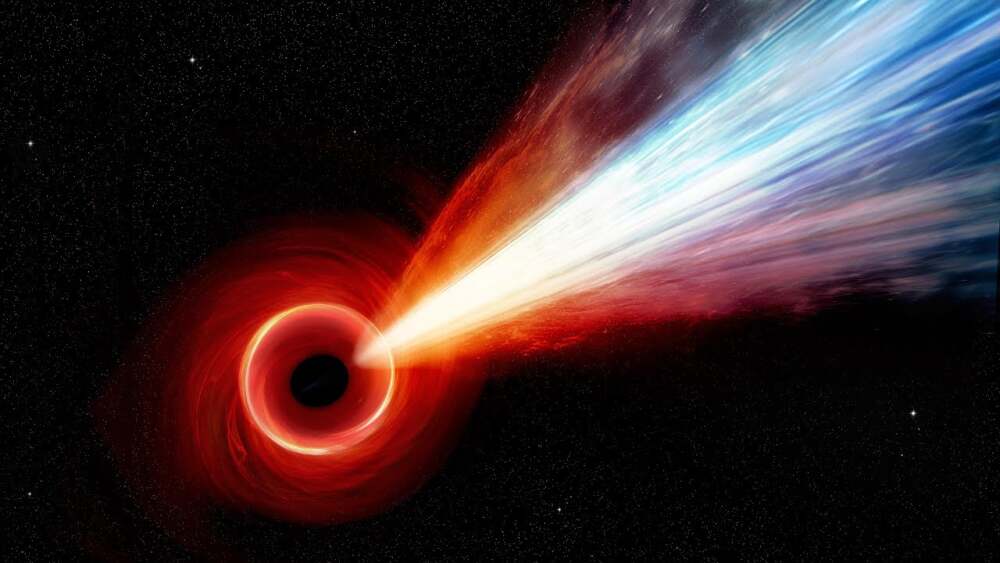
- Observing black holes, neutron stars, and supernovae
- Enhancing our understanding of dark matter and dark energy
Its combination of precision imaging and spectroscopy will provide data that could redefine our understanding of the universe itself.
What Comes Next
NASA plans to begin initial calibration and test observations within the coming months, with full science operations expected shortly afterward. International collaborators are also preparing complementary observations using ground-based observatories to maximize the telescope’s impact.
While confirmation of life beyond Earth remains uncertain, this next-generation telescope represents a historic leap in humanity’s quest to explore the cosmos, bringing us closer than ever to answering whether life exists elsewhere in the universe.












Leave a Reply