

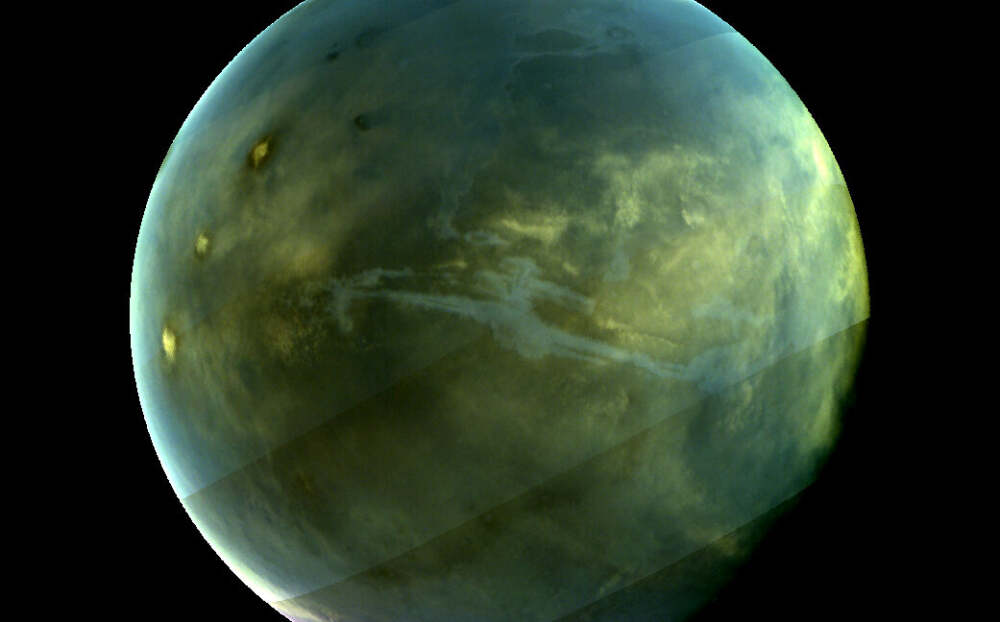
NASA is grappling with a critical situation in its Mars exploration program after losing communication with one of its orbiters and warning that contact with a second orbiter may soon be lost. These developments pose challenges for ongoing scientific missions and the broader network of Mars observations.
Current Situation
NASA confirmed that communication with one of its aging Mars orbiters was unexpectedly interrupted. Ground control teams are actively working to reestablish contact, but the spacecraft’s distance, age, and the harsh Martian environment make recovery uncertain. The agency also noted that a second orbiter, which has been operating beyond its expected lifespan, is showing signs of declining functionality and may lose communication in the coming weeks.
These orbiters have played essential roles in transmitting data from rovers, monitoring the Martian atmosphere, mapping terrain, and supporting scientific research. Losing contact with them could temporarily disrupt data collection and limit the scope of ongoing studies.
Implications for Mars Exploration
- Data Transmission: NASA relies on orbiters to relay data from surface missions, including rovers like Perseverance and Curiosity. Any prolonged communication gaps may slow the flow of critical scientific findings.
- Scientific Observations: Orbiters monitor weather patterns, dust storms, and geological changes on Mars. Losing an orbiter could reduce real-time monitoring capabilities and affect planning for future missions.
- Mission Planning: The potential loss emphasizes the need to extend the lifespan of current spacecraft or accelerate the deployment of new orbiters to maintain continuous coverage of the Martian surface.
NASA’s Response
NASA engineers are implementing all available protocols to recover the first orbiter, including sending diagnostic commands, adjusting antennas, and analyzing telemetry data. For the second orbiter, contingency plans are in place to maximize its remaining operational life while preparing for a transition to backup systems.
NASA emphasizes that these orbiters have exceeded their designed operational lifespans, highlighting the challenges of long-term space exploration and the harsh conditions of interplanetary environments.
Looking Ahead
The agency has underscored its commitment to future Mars missions, including new orbiters and landers planned over the next decade. The loss of these spacecraft will not halt exploration but serves as a reminder of the risks and unpredictability of operating robotic missions millions of miles from Earth.
Despite the setback, scientists remain optimistic that data already collected from these orbiters will continue to inform Mars research, and upcoming missions will help maintain a continuous presence around the Red Planet.













Leave a Reply