


September 24, 2025
NASA is gearing up to send astronauts around the Moon early in 2026, marking the first crewed lunar orbit mission since Apollo 17 in 1972. Known as Artemis II, this mission will test the capabilities of NASA’s deep space hardware while laying the groundwork for returning humans to the Moon’s surface later in the decade.
Mission Overview
- Artemis II will carry a crew of four astronauts — three from NASA and one from the Canadian Space Agency — on a 10-day flight around the Moon and back.
- The mission will ride aboard the Space Launch System (SLS) rocket with the Orion spacecraft serving as the crew vehicle.
- It’s a fully crewed lunar flyby, not a landing, but a crucial test of systems in deep space, from life support to navigation and re-entry.
- Launch is currently scheduled for April 2026, though NASA officials are evaluating whether the mission could be advanced to February 2026, depending on readiness and safety reviews.
Why This Mission Matters
- First time beyond low Earth orbit since Apollo: No humans have left Earth orbit since the early 1970s. Artemis II represents a return to deep space exploration for NASA.
- Testing critical systems in real conditions: On this mission, the spacecraft’s performance, crew support, and mission operations will be pushed closer to their design limits. Success is essential for future missions that aim to land astronauts on the Moon.
- Strategic momentum: Artemis II is a stepping stone toward Artemis III, the mission expected to return humans to the lunar surface, particularly targeting the Moon’s south pole.
Challenges & Timeline
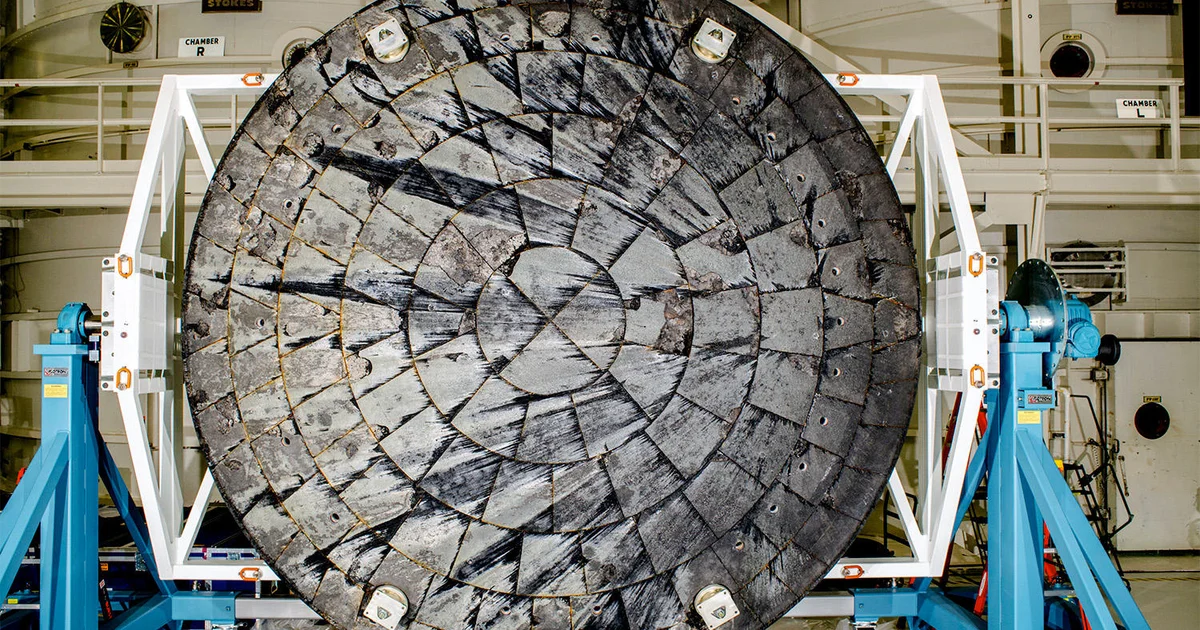
- NASA has faced delays in previous milestones due to heat shield damage discovered on the Orion capsule and other technical hurdles. These led to shifting the mission from an earlier date to now targeting April 2026.
- The possibility of a February launch is under review, but it depends on rigorous safety inspections and system readiness. NASA emphasizes that crew safety remains its top priority.
- The program’s broader success hinges on coordination among spacecraft engineers, launch systems teams, ground operations, and international partners.
Broader Context
- The mission occurs amid a renewed sense of space competition globally, with countries like China pursuing their own ambitious lunar programs targeted for the end of the decade.
- It also underscores the growing interest in establishing a sustained human presence on the Moon and beyond, with Mars often cited as the longer-term goal.
- As NASA moves forward, the spotlight will be on whether progress stays on track — for Artemis II and the missions that follow.













Leave a Reply