

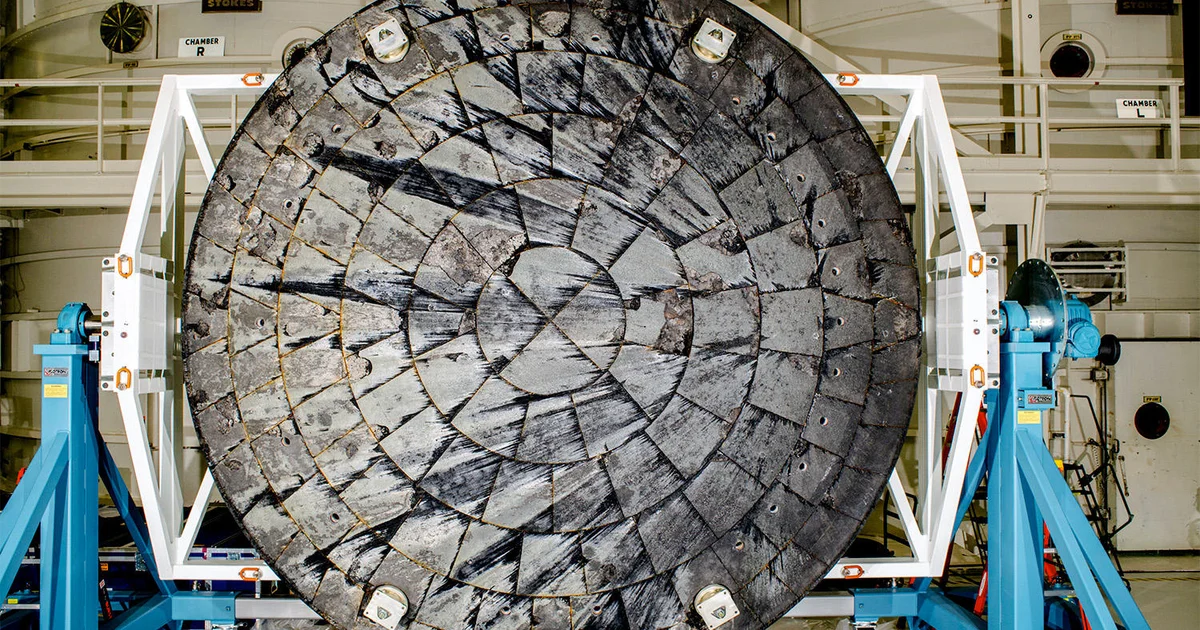
NASA has announced a delay to its historic Artemis II mission, which is set to carry astronauts around the Moon, due to dangerously cold temperatures forecasted at Kennedy Space Center in Florida. The launch, originally scheduled for February 6, has been pushed back to no earlier than February 8.
The postponement affects a critical pre-launch milestone: a fueling test of the 322-foot Space Launch System rocket topped with the Orion spacecraft. This rehearsal, essential for verifying the rocket’s systems under operational conditions, was canceled late Thursday when forecasts predicted near-freezing conditions. NASA plans to attempt the test again on Monday, weather permitting.
“The extreme cold could compromise both equipment and personnel safety,” a NASA spokesperson said, emphasizing that heaters are in place to maintain proper conditions for the Orion capsule, and rocket-purging systems are being adjusted to cope with the low temperatures.
Commander Reid Wiseman and his crew remain in quarantine in Houston, with their travel schedule to Florida yet to be finalized. NASA faces a tight operational window in February, leaving just a few days to launch before potential scheduling conflicts push the mission into March. This mission marks the first time astronauts will journey beyond low Earth orbit since Apollo 17 in 1972.
NASA officials stressed that any additional delays would result in a direct shift of the launch schedule, underscoring the sensitivity of lunar mission planning to weather conditions. Artemis II aims to test key systems for future lunar landings while sending a crew safely on a round trip around the Moon.
Despite the setback, NASA remains committed to maintaining its timeline for returning humans to lunar orbit. “Safety is our top priority, and we are prepared to adjust our plans to ensure both the crew and the spacecraft are fully protected,” the agency added.
As Artemis II prepares for its revised schedule, the mission represents a crucial step in NASA’s long-term goal of establishing a sustainable human presence on the Moon, paving the way for future exploration missions to the lunar surface and eventually Mars.














Leave a Reply