

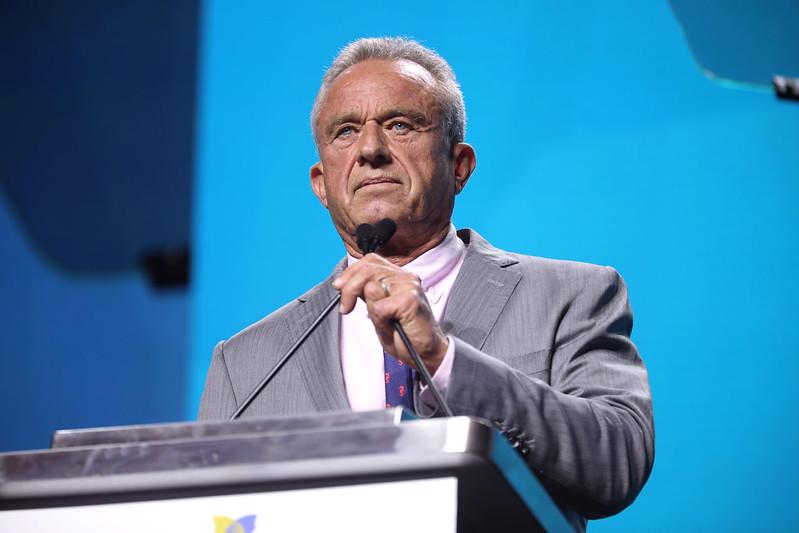
As Robert F. Kennedy Jr. continues to campaign for changes to the United States childhood vaccine schedule, legal experts are raising questions about whether a longstanding federal law could complicate or even block his proposed reforms. The law, enacted in the mid-20th century, gives the federal government significant authority over vaccine recommendations, creating a potential legal hurdle for any efforts to dramatically alter the current immunization framework.
The Legal Framework
The law in question, formally part of the Public Health Service Act, dates back to the 1940s. Its primary purpose was to ensure public health safety during an era of emerging infectious diseases, granting the federal government the authority to establish vaccine standards, approve vaccines for widespread use, and recommend immunization schedules.
Under this law, the Centers for Disease Control and Prevention (CDC) and the Food and Drug Administration (FDA) hold the power to evaluate vaccine safety and efficacy, determine which vaccines are necessary for public health, and set recommended timelines for administration. While state governments may enforce vaccination requirements for school attendance, federal guidelines largely determine what is considered the standard of care.
RFK Jr.’s Proposal
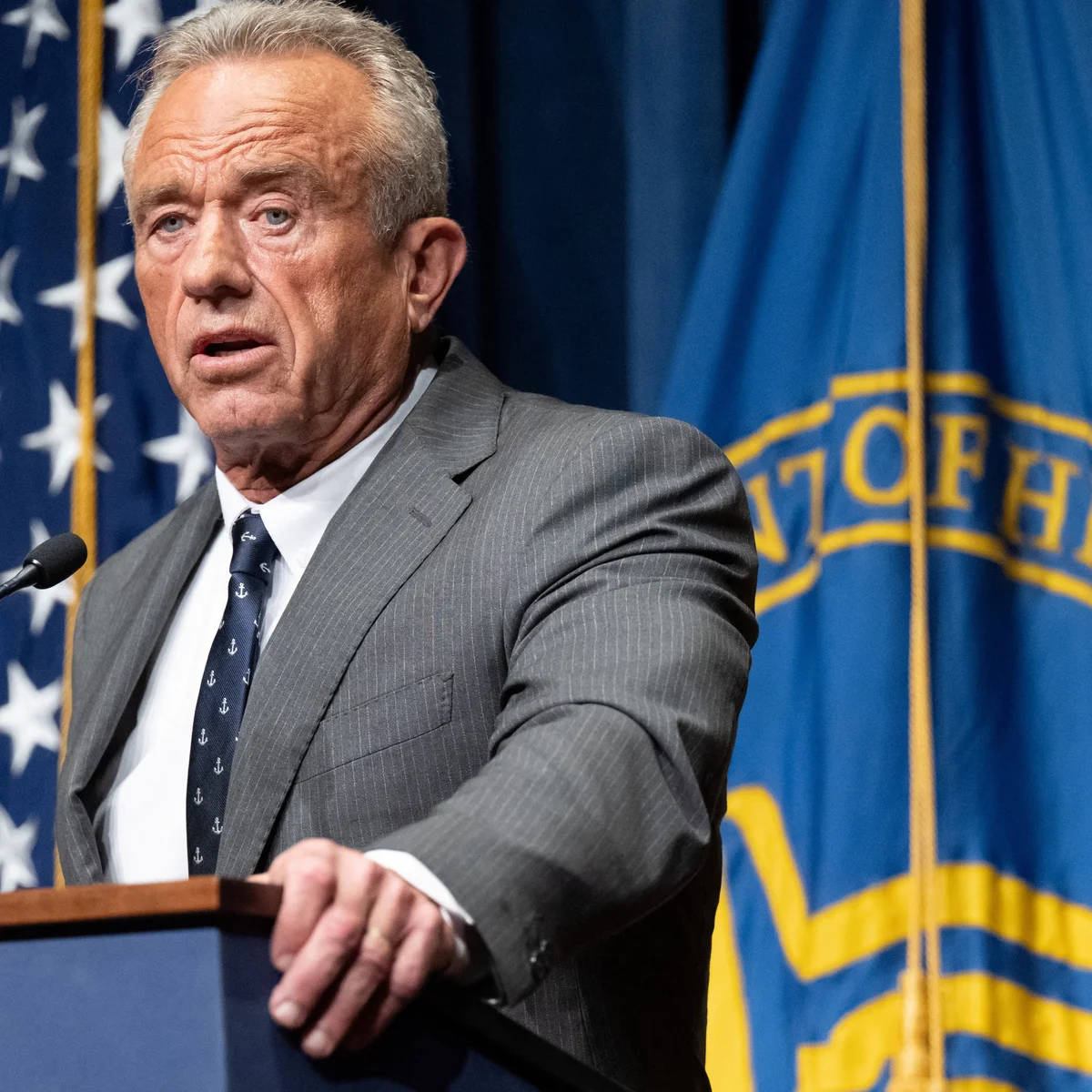
RFK Jr., a well-known vaccine skeptic and public figure, has proposed significant revisions to the childhood vaccine schedule, including delaying certain doses and reducing the overall number of vaccines administered in early childhood. His supporters argue that such changes would allow parents more flexibility and reduce potential adverse effects, though the scientific consensus continues to affirm the safety and efficacy of the current schedule.
The proposal has generated heated debate, with public health officials warning that altering the schedule without thorough scientific evaluation could increase the risk of preventable disease outbreaks. Measles, whooping cough, and other infectious diseases remain threats, particularly in communities with lower vaccination rates.
Legal and Regulatory Challenges
Experts note that the nearly 80-year-old law could pose significant obstacles to RFK Jr.’s agenda. Because the law centralizes authority over vaccine approval and scheduling with federal agencies, unilateral efforts to rewrite the schedule without CDC and FDA approval would likely face legal challenges. Courts have historically upheld federal authority in vaccine-related matters, emphasizing the government’s responsibility to protect public health.
Furthermore, any state-level attempts to implement changes without federal alignment could trigger litigation, potentially creating a patchwork of vaccination rules that complicate enforcement and healthcare delivery.
Public Health Perspective
From a public health standpoint, the law’s enduring relevance highlights the careful balance between individual choice and collective safety. Vaccines not only protect the children who receive them but also contribute to herd immunity, preventing outbreaks in vulnerable populations such as infants, the elderly, and immunocompromised individuals.
Public health officials caution that even minor deviations from established schedules can have ripple effects. For instance, delaying the measles vaccine by a few months could leave children unprotected during critical periods of exposure, increasing the likelihood of outbreaks in schools and communities.
The Broader Debate
RFK Jr.’s push to alter the vaccine schedule underscores the broader tension between personal freedom and public health policy. While parents and advocacy groups call for transparency and flexibility, scientific authorities emphasize that the existing schedule is based on decades of research and international data, carefully designed to maximize safety and efficacy.
Conclusion
The nearly 80-year-old federal law governing vaccine approval and schedules is a formidable legal framework that may complicate any efforts to significantly revise childhood immunizations. As RFK Jr. continues to advocate for change, his proposals are likely to encounter scrutiny from federal agencies, legal experts, and public health authorities. The debate serves as a reminder of the complex interplay between law, science, and public health in shaping policies that protect the nation’s children.
















Leave a Reply