

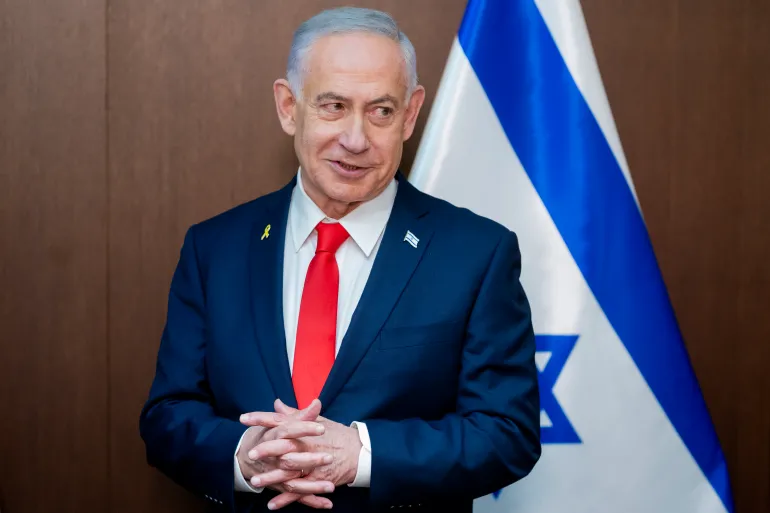
As Israel moves toward yet another pivotal election, one prediction echoes through political circles with growing certainty: Benjamin Netanyahu may once again emerge victorious. After more than a decade as the dominant force in Israeli politics, the belief among his supporters that “there is none like him” continues to shape the country’s political reality.
Netanyahu’s enduring appeal stems from a combination of factors—his reputation as a security stalwart, his ability to navigate global diplomacy, and his talent for political survival even amid corruption trials, protests, and deep national divisions. For many Israelis, especially those prioritizing national defense and regional stability, Netanyahu embodies a sense of familiarity and proven leadership in turbulent times.
Supporters argue that no rival has demonstrated comparable experience or charisma on the world stage. They credit Netanyahu with strengthening ties with the United States during multiple administrations, expanding normalization with Arab states, and taking an assertive stance on Iran—issues that resonate strongly with voters who view national security as paramount.
Even critics acknowledge that the fragmented opposition plays into Netanyahu’s hands. A lack of unified leadership among rival parties has repeatedly enabled him to consolidate his base and secure narrow—but decisive—paths to victory. His political messaging remains disciplined, framing himself as the only figure capable of guiding Israel through existential threats.
Yet Netanyahu’s prospects also reflect deeper societal shifts. A significant portion of the Israeli electorate remains skeptical of change, wary that new leadership could introduce instability in an already volatile region. For them, Netanyahu represents continuity—a familiar captain steering the ship through rough waters.
Opponents, however, warn that another Netanyahu term could further polarize the nation, intensify institutional conflicts, and complicate Israel’s relationship with key global partners. Many argue that his prolonged tenure has contributed to political stagnation and eroded public trust in democratic norms.
Still, the sentiment echoed by his loyalists—“there is none like him”—continues to dominate the narrative. Whether driven by admiration, nostalgia, or a lack of compelling alternatives, this belief positions Netanyahu once again at the center of Israel’s political future.
As election day approaches, Israel stands at a crossroads. But if historical patterns and public sentiment remain steady, Netanyahu’s path to yet another victory seems not just possible—perhaps even inevitable.








Leave a Reply