

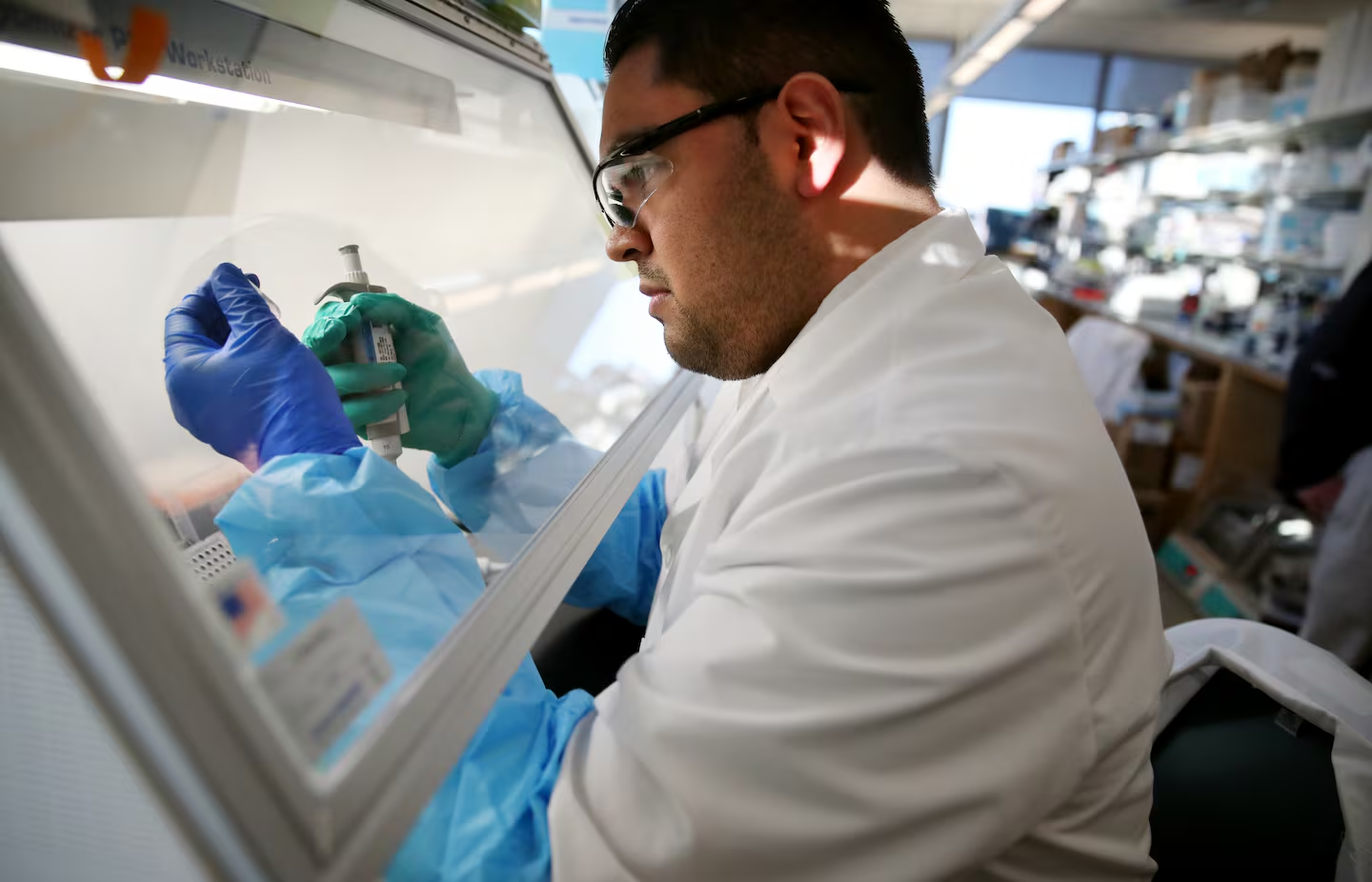
Recent scientific studies have shed light on the underlying biological mechanisms of Long COVID, revealing that the condition involves the activation of proinflammatory pathways combined with immune system exhaustion. These findings could explain why some individuals experience lingering symptoms months after acute COVID-19 infection and may guide the development of targeted therapies.
Understanding Long COVID
Long COVID, also known as post-acute sequelae of SARS-CoV-2 infection (PASC), affects a significant proportion of people who recover from COVID-19. Common symptoms include fatigue, brain fog, shortness of breath, muscle pain, and cardiovascular complications, which can persist for weeks or months.
While the exact cause of Long COVID has remained elusive, recent research highlights chronic immune system activation as a central factor. Scientists now believe that the immune system, initially fighting the virus, remains overactive or dysregulated, leading to persistent inflammation and tissue stress.
Key Findings from the Study
Researchers conducted in-depth analysis of blood samples from individuals with Long COVID, comparing them to recovered patients without lingering symptoms. The study revealed:
- Proinflammatory Pathway Activation: Elevated levels of cytokines and other inflammatory mediators suggest that the body continues to mount an immune response, even in the absence of active viral infection. This chronic inflammation may contribute to fatigue, joint pain, and neurological symptoms.
- Immune Exhaustion: Immune cells such as T cells and natural killer cells showed signs of functional exhaustion, reducing their ability to respond effectively to new infections or maintain tissue repair.
- Imbalance Between Inflammation and Regulation: The dual presence of hyperactive inflammation and immune fatigue creates a scenario where the body struggles to restore normal homeostasis, perpetuating Long COVID symptoms.
Implications for Treatment
Understanding these immune mechanisms opens the door to potential therapeutic interventions:
- Targeted Anti-Inflammatory Therapies: Drugs that reduce specific proinflammatory signals could alleviate symptoms without compromising overall immune defense.
- Immune Rejuvenation Approaches: Treatments aimed at restoring T cell function and reversing immune exhaustion may help patients regain normal immune responsiveness.
- Personalized Medicine: Biomarker identification could allow clinicians to stratify Long COVID patients and tailor interventions based on individual immune profiles.
Broader Significance
These findings highlight the importance of viewing Long COVID as an immune-mediated condition rather than a purely viral or psychological phenomenon. By mapping the specific pathways involved, researchers can better predict who is at risk and develop strategies to prevent chronic symptoms following COVID-19 infection.
Looking Ahead
Ongoing studies are investigating the interplay between viral remnants, autoimmunity, and immune exhaustion in Long COVID. Experts emphasize that understanding the immune system’s dual role—overactivation and fatigue—is crucial to developing effective treatments and improving quality of life for millions of affected individuals worldwide.
Dr. Maria L. Hernandez, an immunologist involved in the study, stated:
“Long COVID is not simply a lingering infection—it is a complex immune disorder. Our goal is to unravel these pathways and identify interventions that restore balance to the immune system.”
As research progresses, these insights could transform how clinicians approach not only Long COVID, but also other post-viral syndromes and chronic inflammatory conditions.













Leave a Reply