

More than a century after Sir Ernest Shackleton’s Imperial Trans-Antarctic Expedition, new research has cast fresh light on the fate of the famed ship Endurance. Once thought to be among the strongest polar exploration vessels of its era, the ship is now revealed to have had critical structural weaknesses that contributed to its destruction in the Weddell Sea.
The Legendary Voyage
In 1914, Shackleton set out on what would become one of the most celebrated polar expeditions in history. The goal was ambitious: to cross the Antarctic continent from sea to sea. Shackleton’s crew of 28 embarked aboard the Endurance, navigating treacherous Southern Ocean waters to reach the Antarctic ice.
By November 1915, the ship was trapped in the dense pack ice of the Weddell Sea. Despite months of attempting to free the vessel, the immense pressure of the ice eventually crushed Endurance, forcing the crew to abandon ship. Remarkably, all members survived, enduring extreme conditions on ice floes and in lifeboats, a testament to Shackleton’s leadership and the crew’s endurance.
The Discovery of the Wreck
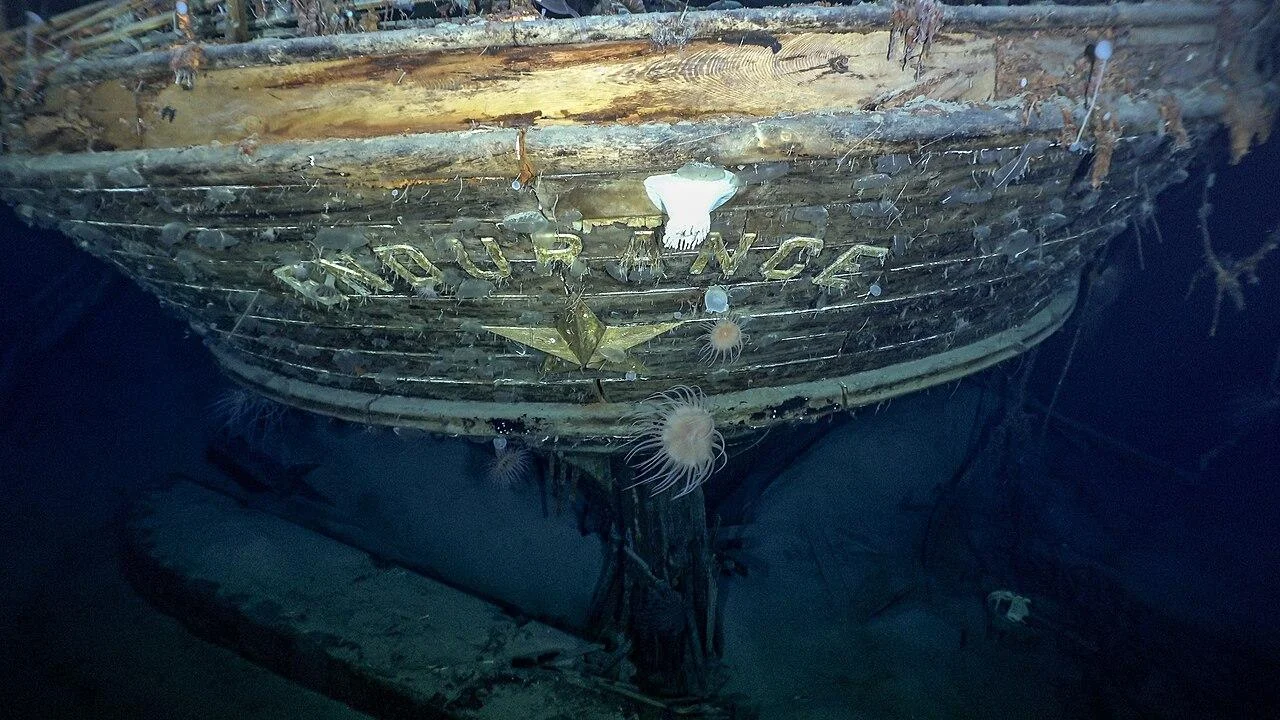
Nearly 107 years later, the Endurance22 expedition located the wreck at the bottom of the Weddell Sea, approximately 3,000 meters below the surface. The ship, preserved in near-pristine condition by the icy waters, provided researchers with an unprecedented opportunity to study early 20th-century shipbuilding techniques.
Professor Jukka Tuhkuri of Aalto University conducted an in-depth structural analysis of the vessel, revealing that the Endurance had inherent vulnerabilities that had been underestimated for decades.
Structural Flaws and Engineering Insights
Tuhkuri’s study highlights several critical design deficiencies:
- Lack of Diagonal Bracing: The hull did not include sufficient diagonal beams, making it prone to lateral compression from surrounding ice.
- Vulnerable Engine Room: The engine compartment had a large unreinforced space, weakening the overall hull integrity.
- Weak Deck Frames: The deck lacked reinforcement, further compromising the ship’s resistance to ice pressure.
Contrary to previous assumptions that mechanical failures or the rudder’s weakness were the main reasons for the sinking, the research suggests that these structural flaws were decisive in Endurance’s destruction. The ship, while well-built for Arctic waters, was ill-suited for the extreme pressures of the Weddell Sea.
Shackleton’s Awareness
Historical records, including Shackleton’s own notes and crew diaries, indicate that he was aware of some of Endurance’s limitations. Budget constraints, construction choices, and the urgency to launch the expedition may have influenced the decision to proceed despite known weaknesses.
Implications for Polar Exploration
The revelation about Endurance’s structural deficiencies has far-reaching implications for understanding early polar exploration. It highlights the risks faced by early explorers who relied on engineering that, while advanced for its time, was untested in the harshest conditions of the Antarctic.
Modern polar expeditions have benefited greatly from such lessons, incorporating rigorous engineering standards, advanced materials, and comprehensive safety protocols to prevent similar disasters.
Lessons from Survival
While the ship’s demise was inevitable given its structural vulnerabilities, the crew’s survival remains a remarkable human story. Shackleton’s leadership, decision-making, and ability to maintain morale in extreme conditions are still studied in leadership courses and survival psychology research today.
Preservation and Historical Value
The Endurance wreck has been remarkably preserved due to the cold, oxygen-poor waters of the Weddell Sea. This preservation provides historians, engineers, and researchers with a unique time capsule, offering insights into shipbuilding techniques and expedition logistics from over a century ago.
Experts emphasize that studying such wrecks not only honors the memory of historical expeditions but also informs the design of modern vessels and safety measures for high-risk exploration environments.
Conclusion
The discovery of structural flaws in Shackleton’s Endurance adds a new dimension to the narrative of one of history’s most legendary expeditions. While engineering shortcomings contributed to the ship’s loss, the survival of Shackleton’s crew stands as a testament to human resilience, leadership, and ingenuity. The legacy of the Endurance continues to inspire explorers and researchers, serving as a reminder of both the perils of the Antarctic and the enduring human spirit.

















Leave a Reply