

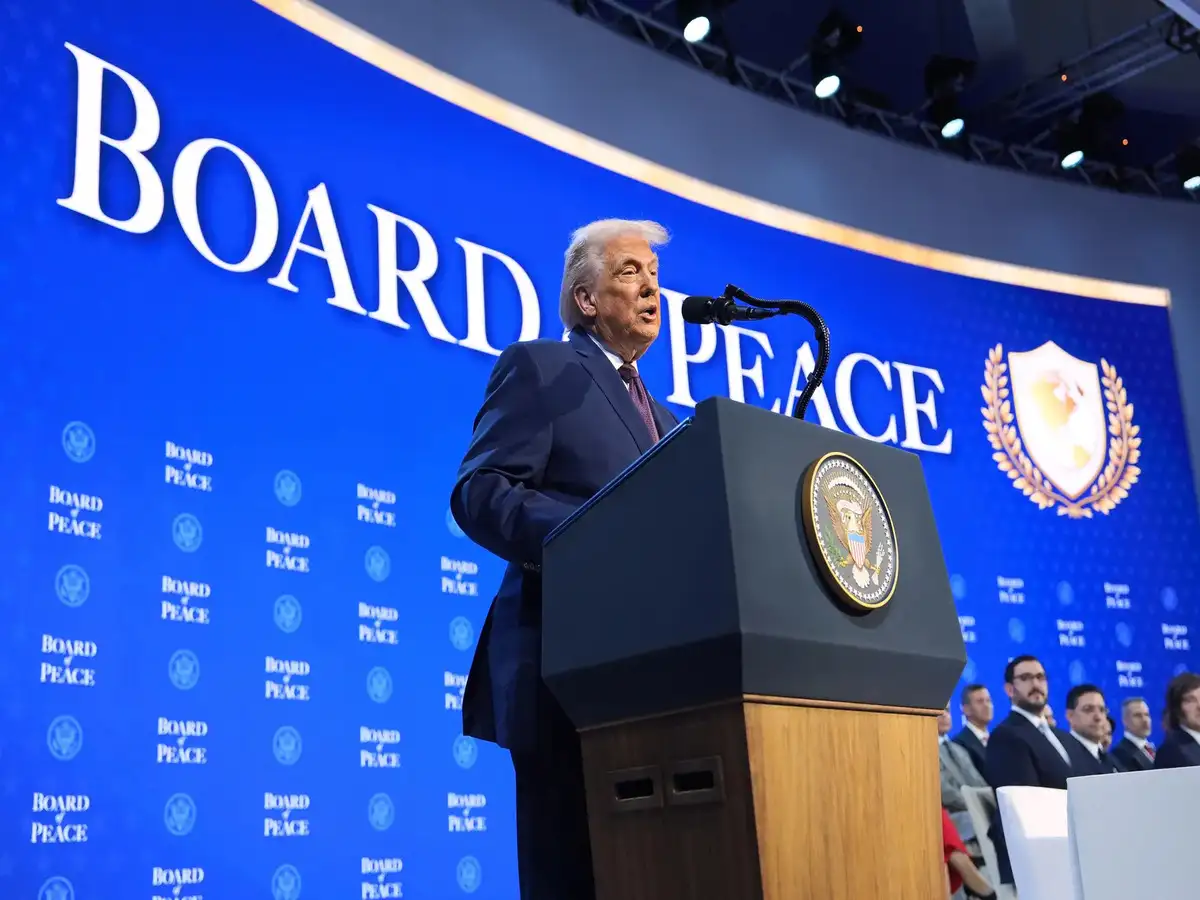
In a move that underscores its commitment to sovereign decision‑making and balanced diplomacy, New Zealand has formally declined an invitation from the United States to join a newly announced international advisory group dubbed the “Board of Peace.” The decision highlights Wellington’s cautious approach to global security initiatives and its focus on preserving autonomous foreign policy amid rising geopolitical tensions.
The invitation, extended by U.S. leadership as part of efforts to build a coalition of like‑minded nations aimed at addressing global conflicts and shaping a “rules‑based order,” was seen in some capitals as an opportunity to strengthen ties with Washington. However, New Zealand’s government opted not to participate, emphasizing that it does not wish to be formally aligned with a body whose mandate and composition have not been fully defined.
A Deliberate and Calculated Choice
New Zealand’s foreign minister explained that the decision was rooted in principled diplomacy rather than any rejection of cooperation with the United States or other partners. Officials in Wellington made clear that they value longstanding bilateral relations with Washington, including in trade, security and people‑to‑people ties, but they were not willing to join a group that might commit them to collective positions without clear frameworks or accountability mechanisms.
In public statements, the government emphasised that New Zealand will remain engaged in efforts to promote peace and stability through existing multilateral institutions, including the United Nations, the Pacific Islands Forum and regional frameworks in the Indo‑Pacific. According to New Zealand officials, these platforms offer more transparent mandates and align more closely with Wellington’s diplomatic priorities, which emphasise mediation, conflict prevention and adherence to international law.
Maintaining a Distinct Voice in a Shifting World
Analysts say New Zealand’s decision reflects the country’s longstanding foreign policy tradition of acting independently on the global stage, even when its choices differ from those of larger powers. Historically, Wellington has pursued balanced engagement — supporting collective security where it aligns with international norms, while avoiding entanglement in initiatives perceived as dominated by strategic rivalries or unclear objectives.
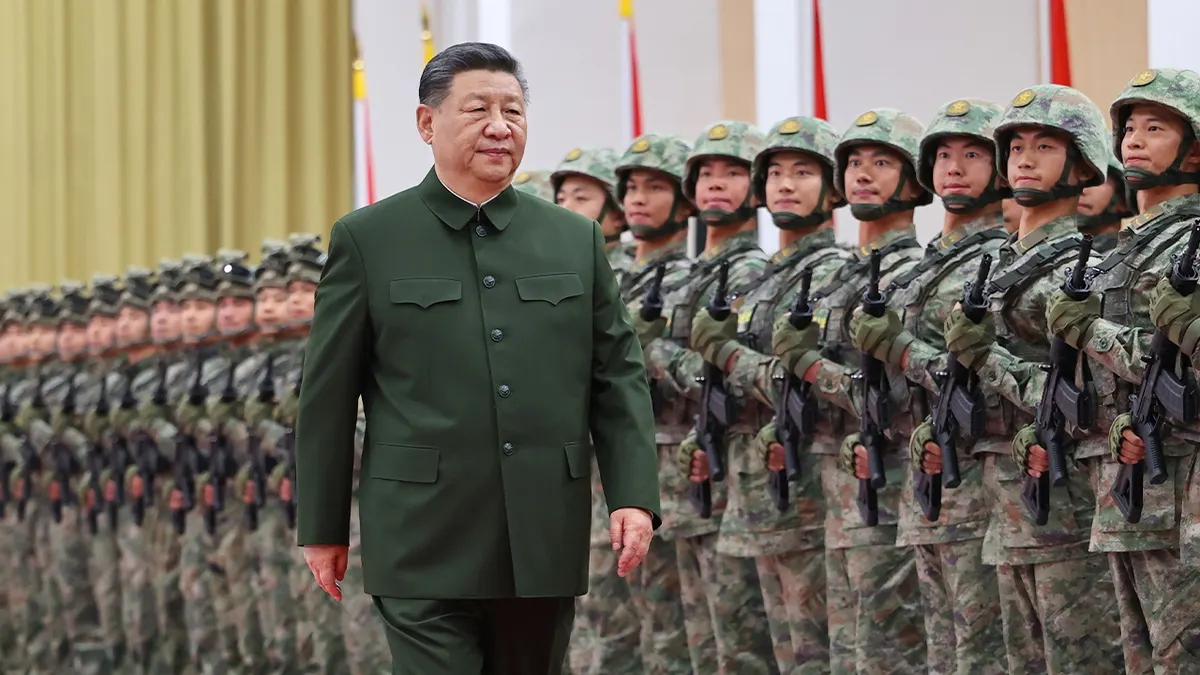
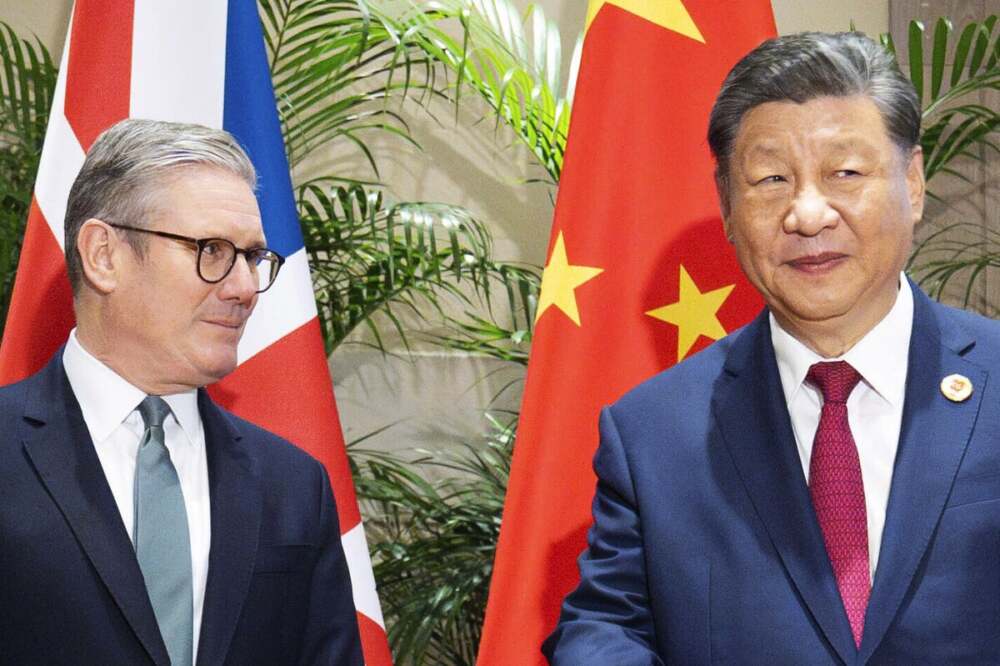
The decision also comes amid broader geopolitical tensions involving China, Russia and the United States — major powers whose policies increasingly shape international discourse on security, trade and influence. For small and middle powers like New Zealand, navigating these dynamics requires careful calibration to avoid being drawn into binary blocs or confrontational postures that could undermine diplomatic flexibility.
By declining the Board of Peace invitation, New Zealand has signalled that it prioritises open, transparent multilateral engagement over newly formed coalitions with ambiguous structures. Wellington’s approach underscores a desire to be a constructive global actor without compromising its ability to critique or cooperate with various partners on a case‑by‑case basis.
Reception at Home and Abroad
Within New Zealand, public reaction has largely been supportive of the government’s stance, with commentators praising the affirmation of national sovereignty and diplomatic independence. Political analysts noted that participation in loosely defined international boards, particularly when shaped by major powers’ agendas, can sometimes dilute smaller states’ ability to contribute meaningfully to peace initiatives.
International responses have been more mixed. Some diplomatic observers expressed disappointment, viewing New Zealand’s absence as a missed opportunity to shape the new body’s direction from within. Others praised Wellington for taking a cautious, principled stand — particularly at a time when international institutions and alliances are under scrutiny for their effectiveness and credibility.
Looking Forward: New Zealand’s Place in Global Diplomacy
New Zealand’s refusal to join the Board of Peace does not mean withdrawal from global engagement. Rather, Wellington’s foreign policy strategy continues to centre on participation in established multilateral mechanisms, conflict‑resolution efforts and regional partnerships that promote stability and development. The country remains active in peacekeeping missions, global climate initiatives and diplomatic efforts aimed at reducing tensions in hotspots such as the Middle East and the Indo‑Pacific.
For many observers, New Zealand’s move illustrates a broader trend among middle powers seeking to maintain strategic autonomy while engaging cooperatively with major powers on global issues. In a world of shifting alliances and rising strategic competition, Wellington’s decision underscores the value it places on clear mandates, international law and diplomatic sovereignty.
Critically, the episode also serves as a reminder that global peace and security efforts can encompass a diversity of approaches — and that participation in high‑profile initiatives must be weighed carefully against national principles and long‑term foreign policy goals.











Leave a Reply