


Nvidia CEO Jensen Huang says the global shift toward artificial intelligence will unfold more slowly than some expect — but once it reaches full momentum, it will transform daily life in ways that currently feel futuristic, including the possibility that everyday people will be designing and producing “robot clothing.”
Speaking at a recent industry event, Huang cautioned that while AI enthusiasm is booming, true large-scale adoption still requires time, infrastructure, and workforce readiness. He pointed to the slow but steady integration of AI into factories, healthcare systems, transportation networks, and home technologies. According to Huang, these gradual steps will accumulate until AI becomes as ubiquitous as electricity.
But it was his comments about “robot clothing” that sparked the most conversation. Huang described a future in which robots — from domestic helpers to industrial assistants — will need specialised apparel, attachments, or modular components designed by consumers themselves. These could include fabric-like sensors, protective coverings, functional gear, or customizable accessories created with the help of AI-enhanced design tools.
He suggested that ordinary users, empowered by easy-to-use AI platforms, might one day download templates, tweak designs, and manufacture these items at home using advanced 3D printers or smart textile machines. The concept highlights a blending of personal creativity and robotics that could create entirely new industries.
Huang also stressed that AI’s biggest impact will come not from replacing workers outright, but from enabling new forms of digital craftsmanship and automation-driven productivity. He believes millions of people will use AI to generate inventions, services, and products that don’t exist today — with “robot clothing” serving as a tongue-in-cheek preview of the strange and intriguing future ahead.
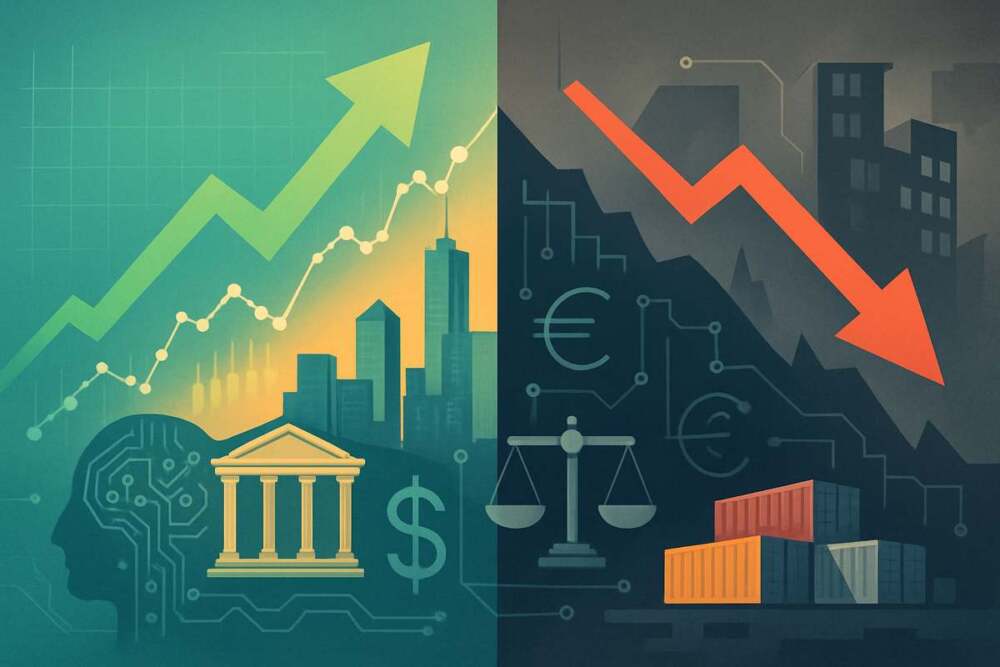
Industry analysts say Huang’s vision reflects a broader trend: companies are increasingly framing AI not merely as a technology revolution, but as a cultural and economic transformation. As AI tools become more accessible, the boundary between consumers, creators, and engineers is expected to blur.
For now, Huang maintains that society is in the early innings of AI adoption, but when the wave finally crests, it could reshape everyday life — right down to the wardrobes of the machines that help us.














Leave a Reply